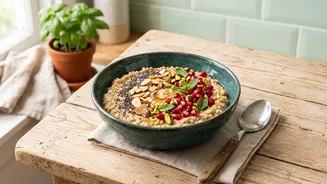




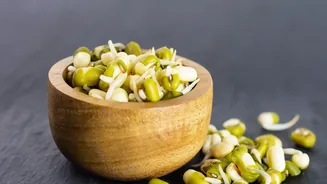


The Foundation: Why Sattu and Sprouts Work
After a workout, your body needs two key things: protein to repair muscle tissue and carbohydrates to replenish depleted energy stores, known as glycogen. Sattu, a flour made from roasted Bengal gram, is a fantastic source of plant-based protein, complex
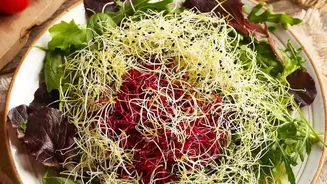
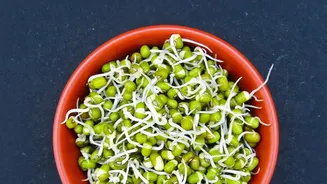
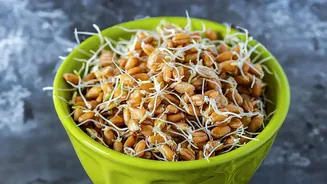
carbohydrates, and fibre. A 100-gram serving can provide around 20-25 grams of protein, along with essential minerals like iron and magnesium that aid in recovery. Sprouted legumes, like moong or chickpeas, are also nutritional champions. The sprouting process increases their protein content and makes them easier to digest. It breaks down anti-nutrients, allowing your body to absorb more vitamins and minerals, and boosts the availability of amino acids crucial for muscle repair.
Upgrade 1: Amplify the Protein
While sattu and sprouts provide a solid protein base, adding another high-quality source can accelerate muscle synthesis. For vegetarians, crumbling in some fresh paneer or adding a scoop of Greek yogurt are excellent choices. Greek yogurt not only adds protein but also provides probiotics for gut health and a creamy texture. For a plant-based boost, a tablespoon of chia or ground flaxseeds can be stirred in. These seeds contribute protein and are also rich in ALA, an omega-3 fatty acid known for its anti-inflammatory properties that can help reduce muscle soreness.
Upgrade 2: Add Smart Carbohydrates
Replenishing your energy stores is crucial, especially after an intense session. While sattu provides complex carbs, adding another source can ensure your glycogen levels are fully restored. Chunks of boiled sweet potato are a superb addition; they are a great source of complex carbohydrates, vitamins, and antioxidants that support recovery. You can also mix in a small portion of cooked quinoa or oats. Oats, in particular, offer slow-release energy that helps prevent a post-workout crash and keeps you feeling full longer.
Upgrade 3: Don't Forget Healthy Fats
Healthy fats play a vital role in reducing inflammation and supporting overall health. Topping your bowl with a handful of chopped almonds or walnuts provides a satisfying crunch, healthy fats, and extra protein. A few slices of avocado can add a creamy texture and a dose of monounsaturated fats and potassium, an important electrolyte lost through sweat. A drizzle of cold-pressed mustard oil or a dollop of ghee can also be added, which are traditional fats known for their health benefits.
Upgrade 4: Boost Flavour and Micronutrients
A recovery bowl shouldn't be bland. Elevating the flavour also means adding more nutrients. A generous squeeze of lemon juice provides vitamin C, which aids in tissue repair, and adds a fresh, zesty flavour. Finely chopped onions, tomatoes, and fresh coriander not only enhance the taste but also contribute essential vitamins and antioxidants. For a classic Indian touch, a pinch of black salt (kala namak) and roasted cumin powder (bhuna jeera) can improve digestion and replenish sodium lost during your workout.
The Perfect Timing
To get the maximum benefit, aim to consume your upgraded bowl within the “anabolic window,” which is roughly 30 to 60 minutes after finishing your workout. During this time, your muscles are most receptive to absorbing nutrients for repair and growth. Delaying your post-workout meal can slow down the recovery process significantly. Preparing the sprouted legumes in advance and having your sattu mix ready to go makes it easy to assemble a powerful recovery meal right when you need it most.