







What is Active Recovery, Really?
Active recovery is the practice of engaging in low-intensity exercise after a strenuous workout. Unlike passive recovery, which means complete rest (like binge-watching a series on the couch), active recovery involves gentle movement. Think of it as a cool-down
for your entire body the day after a tough session. The goal is not to challenge yourself but to help your body repair and prepare for your next big workout. This approach keeps your muscles engaged lightly, promoting healing without adding more strain.
The Science of 'Smarter' Rest
The magic of active recovery lies in its ability to boost blood circulation. After intense exercise, metabolic waste products, including lactic acid, can build up in your muscles, contributing to that familiar post-workout soreness and stiffness. Gentle movement increases blood flow, which helps flush out these waste products more efficiently. This increased circulation also delivers more oxygen and nutrients to your muscles, which is crucial for repairing the microscopic tears that occur during exercise and lead to stronger muscles over time. Essentially, you're speeding up your body’s natural repair process.
Gentle Cardio: Your Recovery Day Go-To
One of the most effective forms of active recovery is low-intensity cardio. Activities like walking, leisurely cycling, or swimming are excellent choices. These exercises keep your heart rate slightly elevated, promoting circulation without taxing your already tired muscles and joints. A 20 to 45-minute session is often enough to reap the benefits. The key is to keep the intensity low; you should be able to hold a conversation comfortably. This not only aids physical recovery but can also improve your mood and overall well-being.
The Role of Stretching, Yoga, and Foam Rolling
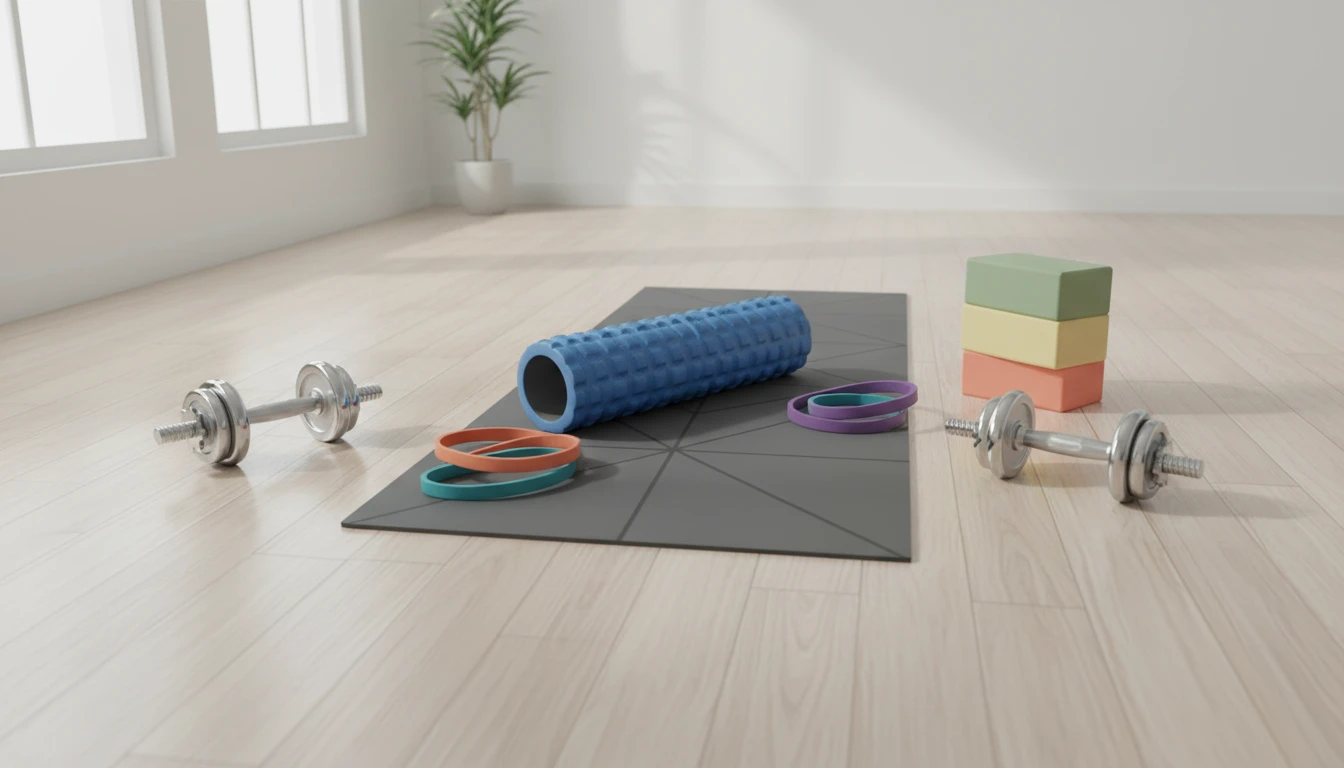
Mobility work is another cornerstone of a good active recovery plan. Gentle yoga, dynamic stretching, and foam rolling can significantly reduce muscle tightness and improve flexibility. Yoga helps with mobility and easing tension, while dynamic stretches like leg swings and arm circles prepare your body for future movement. Foam rolling, a form of self-massage, helps break down knots in your muscles and further improves blood flow. These practices don't just feel good; they help maintain your range of motion and can lower your risk of injury in the long run.
How to Incorporate Active Recovery into Your Week
The best time to schedule an active recovery day is typically the day after your most intense workout. However, you can also incorporate shorter bursts of active recovery, such as walking or stretching between heavy sets at the gym or as part of your cool-down. How many active recovery days you need depends on your workout frequency and intensity. If you're training hard four or more times a week, scheduling one or two active recovery days can be beneficial. The most important rule is to listen to your body. If you're feeling unusually sore or fatigued, a day of light movement might be more beneficial than pushing through another tough session or doing nothing at all.