


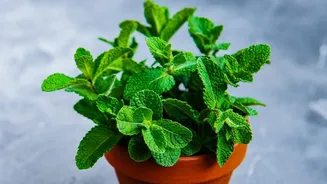
Choose Your Monsoon Champions
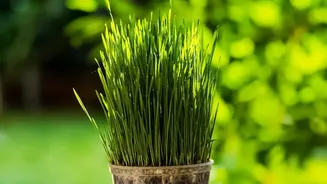
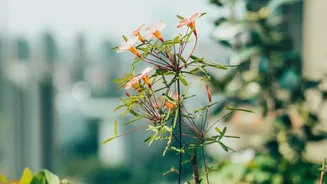
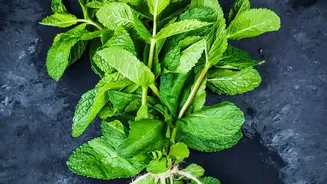
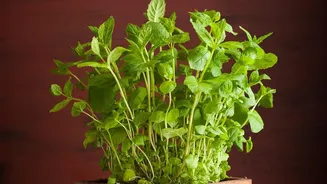
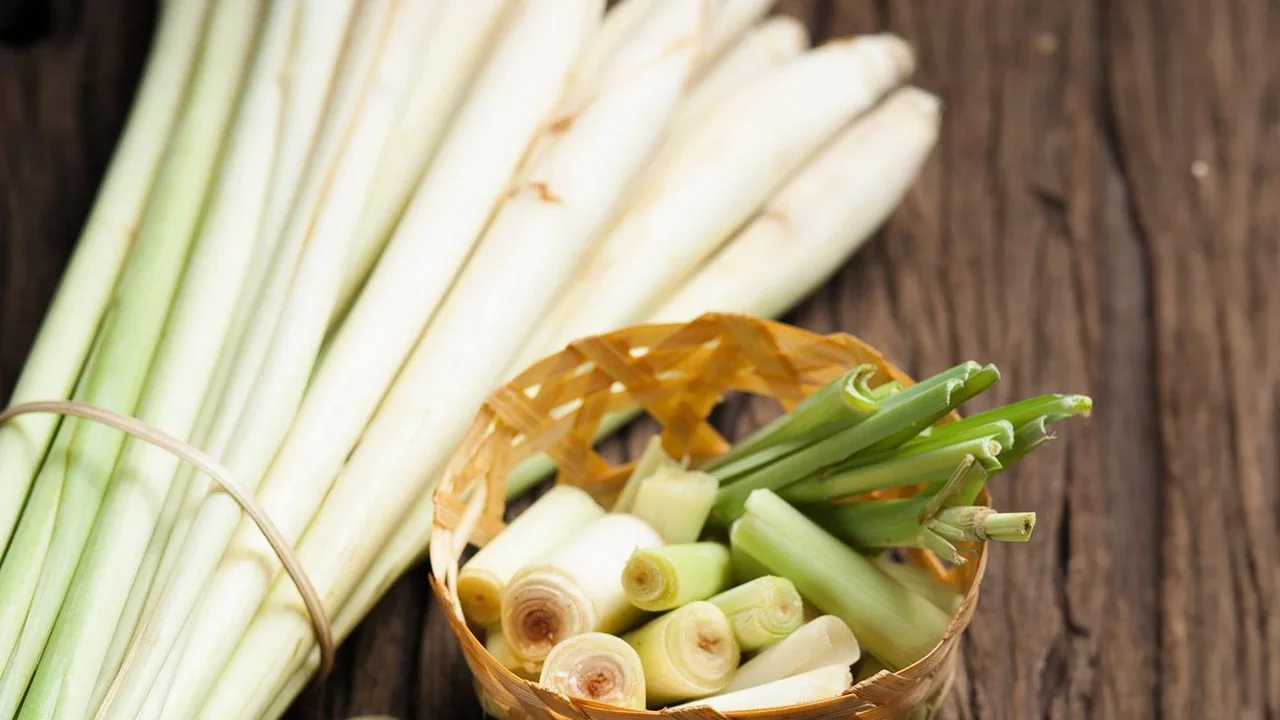
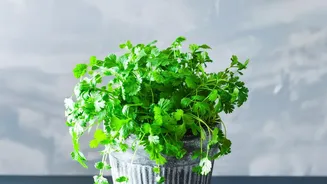
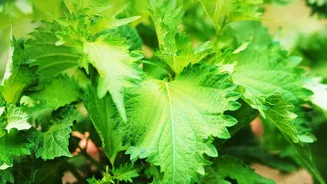
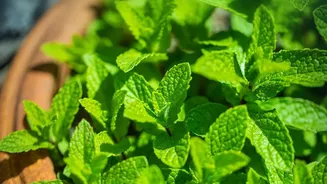
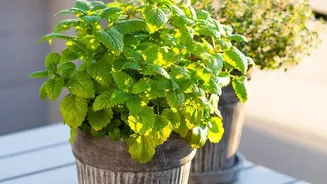
Not all herbs enjoy the constant dampness of the rainy season. Opt for those that thrive in humidity and can handle the Indian monsoon. Tulsi (Holy Basil) is a powerhouse, renowned for its immunity-boosting properties and resilience. Mint (Pudina) and Coriander
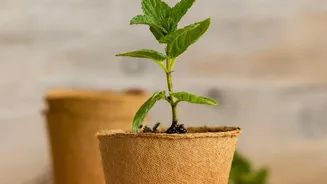
(Dhaniya) also grow vigorously during this time. Lemongrass is another excellent choice; it loves the rain and its citrusy aroma is a delight on damp evenings. These herbs are not only hardy but are staples in Indian cooking, ensuring your efforts are rewarded with fresh, daily flavour. Choose healthy saplings or start from seeds in early monsoon for the best results.
Prioritise Drainage Above All
The single biggest threat to your balcony garden during the rains is waterlogging. Excess water suffocates roots, leading to root rot, which can quickly kill a healthy plant. Before you even think about planting, ensure every pot has at least one, if not several, clear drainage holes at the bottom. A simple but highly effective trick is to elevate your pots. Place them on pot stands, bricks, or small risers to create space underneath. This allows water to escape freely and prevents your plants from sitting in stagnant puddles after a heavy downpour.
Rethink Your Watering Schedule
It may seem counterintuitive, but you still need to monitor your plants' water needs during the monsoon. Don't assume the rain is doing all the work for you, especially if your balcony is partially covered. The golden rule is to always check the soil before watering. Stick your finger about an inch or two into the soil. If it feels dry, it's time to water. If it feels moist, leave it alone. Overwatering is a far greater risk than underwatering during this season. On days of continuous rain, you may not need to water at all for a week or more.
Maximise Limited Sunlight
Overcast skies are a signature of the monsoon, meaning sunlight can be a scarce resource. Most herbs need at least four to six hours of sunlight to flourish. Observe your balcony to identify the spots that receive the most light throughout the day and place your herb pots there. You may need to move them around to 'chase the sun'. Keep the leaves clean by gently wiping them, as a layer of dust can block what little light is available. If your balcony is particularly shady, consider herbs that tolerate lower light, like mint.
Guard Against Pests and Fungi
High humidity creates the perfect breeding ground for fungal diseases like powdery mildew and pests like snails and slugs. Good air circulation is your best defence. Avoid overcrowding your pots; give each plant enough space to breathe. Regularly prune your herbs by trimming away any yellowing, dead, or overgrown branches. This not only improves airflow but also encourages bushier, healthier growth. For a natural and effective preventative measure, spray your plants with a diluted neem oil solution every week or two.
Go Easy on the Fertiliser
While frequent rains can wash away nutrients from the soil, it's important not to over-fertilise during the monsoon. Plants' growth can slow down with reduced sunlight, and excess fertiliser can burn the roots. Instead of heavy chemical fertilisers, opt for a light, organic feed. Adding a handful of well-rotted compost or vermicompost to the topsoil once a month is usually sufficient. This will replenish any lost nutrients gently, without overwhelming the plant in its semi-dormant phase.