



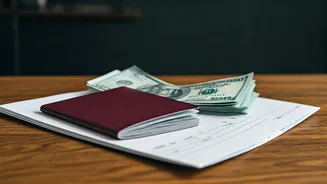


The Non-Negotiable Document Checklist
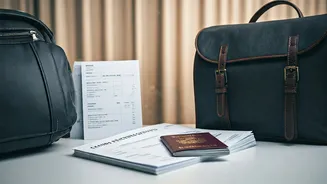
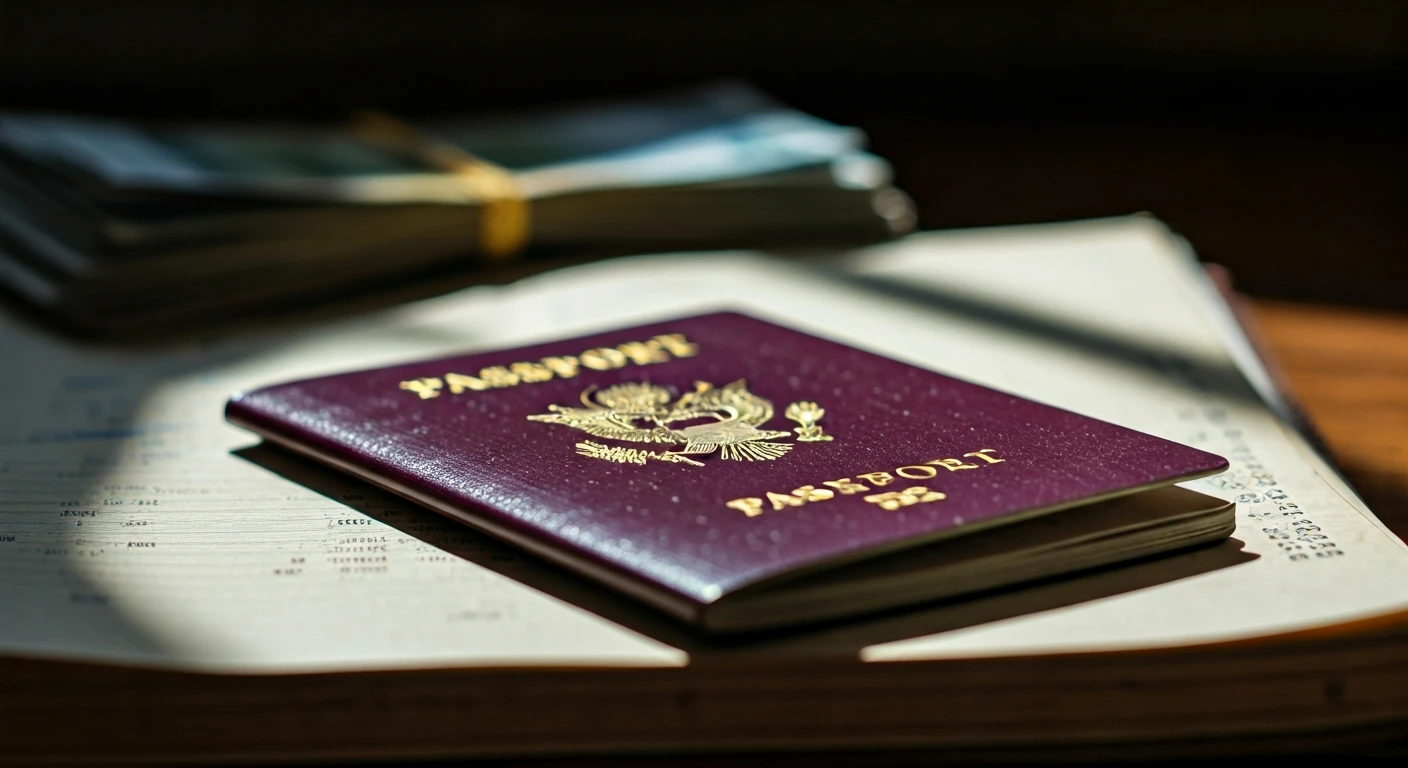
Before you even think about booking flights, your first port of call is your document folder. The most critical item is your passport. Ensure it is valid for at least six months beyond your planned date of return, as many countries will deny entry otherwise.
It should also have at least two blank pages for stamps. Alongside your passport, you will likely need a visa. Depending on the destination, this could be a pre-approved visa sticker in your passport, a visa-on-arrival, or an e-visa. Research your destination's specific requirements well in advance, as visa processing can take time. Finally, have copies of all your identification documents, such as your Aadhaar card or driver's license. It is wise to have both physical photocopies and digital scans saved in your email or cloud storage in case of loss or theft.
Essential Supporting Paperwork
Immigration officials often need to see proof of your travel plans. Keep confirmed flight tickets, including a return or onward ticket, as some countries require this for entry. Similarly, have printouts or digital copies of your hotel or accommodation bookings for the duration of your stay. One of the most overlooked but crucial documents is travel insurance. It covers unforeseen events like medical emergencies, lost baggage, or trip cancellations. Many countries now consider it a mandatory requirement for entry, so do not treat it as an optional extra. If you are travelling to a country with specific health advisories, you may also need vaccination certificates.
Building a Realistic Travel Budget
A successful trip is one that doesn't leave you with financial regrets. Start by breaking down your expected costs. The main components will be flights, accommodation, food, local transport, and activities or sightseeing. Research typical costs for your destination to create a realistic daily spending estimate. It is always wise to add a buffer of 10-15% to your total budget for unexpected expenses or spontaneous discoveries. Travelling during the shoulder season (the period between peak and off-peak seasons) can often help you secure better prices on flights and hotels. Planning and booking early, typically two to three months in advance, also gives you access to better deals.
Managing Your Money Abroad
How you carry and spend your money overseas is a crucial part of budget discipline. While carrying some local cash is essential for small transactions and emergencies, relying on it entirely is risky. A balanced approach is best. Forex cards are a highly recommended option, as they allow you to load foreign currency at a locked-in exchange rate, protecting you from fluctuations. They are widely accepted and generally have lower transaction fees than credit or debit cards. It's also a good idea to carry a credit or debit card as a backup. Before you leave, inform your bank of your travel plans to ensure your cards are activated for international use and to avoid them being blocked for suspicious activity.
Understanding Currency Rules
The Reserve Bank of India (RBI) has specific regulations for carrying foreign currency. Under the Liberalised Remittance Scheme (LRS), an Indian resident can remit up to USD 250,000 per financial year for travel and other purposes. However, there are limits on how much of this can be in cash. You are generally allowed to carry up to USD 3,000 (or its equivalent) in cash per trip. Any amount beyond this should be in non-cash forms like a forex card. Be aware of declaration rules at customs; if you are carrying more than USD 5,000 in cash or more than USD 10,000 in total foreign exchange, it must be declared. It is best to exchange currency at authorized dealers or banks before you travel, as airport counters typically offer less favorable rates.
Avoiding Common Pitfalls
Many travellers make the mistake of over-scheduling their itineraries. Trying to see too many places in a short time leads to fatigue and you spend more time in transit than actually enjoying the destination. Build some flexibility and rest days into your plan. Another common error is underestimating travel time between locations; what Google Maps says and what it takes in reality can differ due to traffic or other delays. Also, avoid dining right next to major tourist attractions, as these restaurants are often overpriced. A short walk into a side street can often lead you to more authentic and affordable food. Exploring beyond the main tourist trail can lead to some of the most memorable travel experiences.