






The Bright Power of Acidity
One of the primary roles of salt is to enhance and brighten the flavours of other ingredients. When you reduce salt, food can taste flat or dull. This is where acidity comes in as a powerful substitute. Ingredients like citrus juices, vinegars, and even
yogurt can mimic the flavour-boosting effect of salt. A squeeze of lemon or lime juice added at the end of cooking can awaken the flavours in everything from grilled fish to roasted vegetables and lentil soups. The tartness tricks your taste buds into perceiving more vibrancy and complexity, much like a finishing sprinkle of salt would. Don't just stick to lemons; experiment with different vinegars. A splash of balsamic vinegar can add sweetness and depth to salads and marinades, while apple cider vinegar can cut through the richness of a hearty stew. In Indian cooking, ingredients like tamarind (amchur) and yogurt have long been used to provide this tangy counterpoint, proving this is a globally recognized technique for building flavour.
Building a Foundation with Aromatics
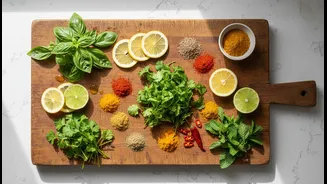
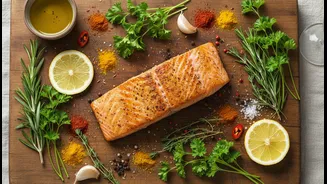
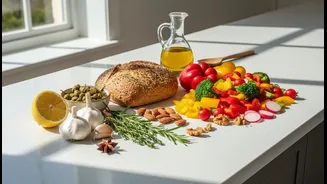
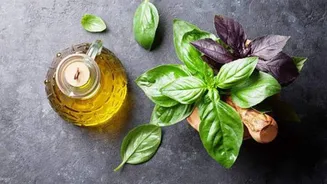
Aromatic ingredients are the heart of a flavourful dish, creating the savoury depth that we often crave. Without a strong aromatic base, meals can feel one-dimensional, tempting you to reach for the salt shaker. This category includes powerhouse ingredients like garlic, onions, ginger, and shallots. Sautéing these at the start of the cooking process releases their complex aromas and creates a foundational layer of savouriness that salt alone cannot replicate. Beyond the basics, your spice cabinet is your best friend in a low-sodium kitchen. Spices such as cumin, coriander, turmeric, smoked paprika, and black pepper add warmth, earthiness, and smokiness. To get the most impact, try toasting whole spices in a dry pan until they become fragrant before grinding them. This simple step blooms their essential oils, resulting in a much richer and more potent flavour. Fresh herbs like cilantro, mint, parsley, and basil, added just before serving, provide a final burst of fresh, vibrant flavour that can elevate any dish.
Creating Satisfaction with Texture
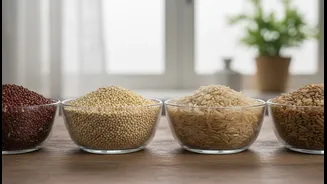
Flavour isn't just about what you taste; it's also about what you feel. Texture plays a crucial but often overlooked role in how satisfying we find our food. A meal with varied textures is inherently more interesting and engaging to eat. The satisfying crunch of a fresh salad, the crispiness of roasted potatoes, the creaminess of a dal, or the chewiness of perfectly cooked grains all contribute to the overall eating experience. When you reduce salt, focusing on texture becomes even more important. It creates a sensory experience that can make you forget something is 'missing.' You can introduce texture in many ways. Try topping a smooth soup with crunchy roasted chickpeas or toasted nuts. Add crisp, raw vegetables to a soft noodle dish. Cooking methods like roasting, grilling, and charring are excellent for developing both texture and deep, caramelized flavours without adding any salt. By consciously building layers of texture, you make the meal more enjoyable and fulfilling, moving the focus away from the salt content.
Bringing It All Together
The true magic happens when you combine these three elements. Think of it as a new culinary triangle for flavour. Start by building a deep, aromatic base with sautéed onions, garlic, and toasted spices. As you cook, think about developing texture—perhaps by roasting vegetables until their edges are crisp or searing a piece of chicken to create a golden-brown crust. Finally, just before serving, balance and brighten everything with a hit of acidity. For example, a simple chicken dish can be transformed by marinating it in yogurt (acidity and texture), seasoning it with ginger, garlic, and garam masala (aromatics), and then grilling it until lightly charred (texture). A final squeeze of lime (acidity) brings all the flavours into focus. By layering these components, you create a meal that is complex, engaging, and deeply satisfying on its own terms, proving that a low-salt diet can be a delicious adventure rather than a restriction.