




A Ritual Steeped in Culture
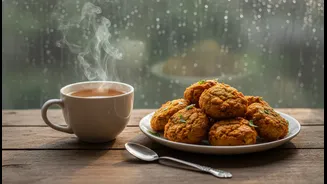
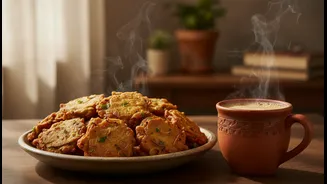
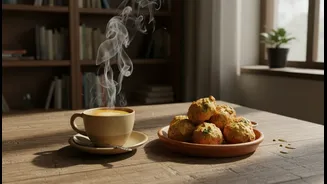
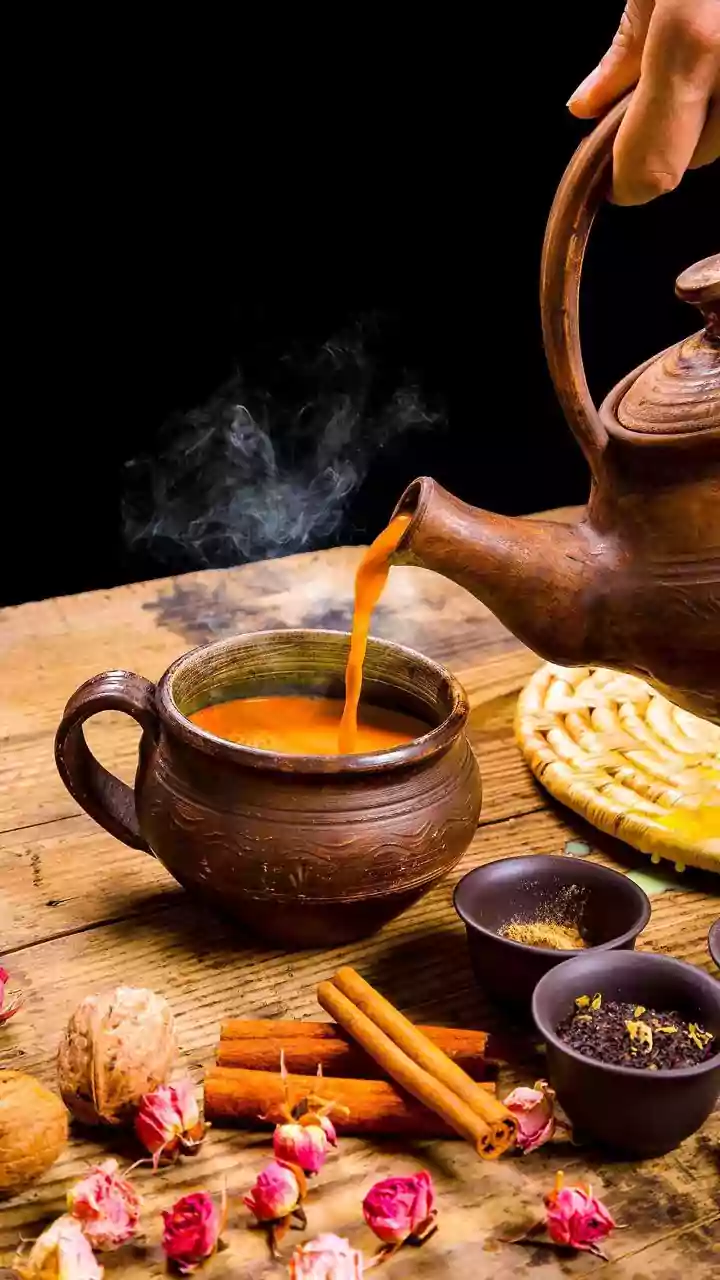
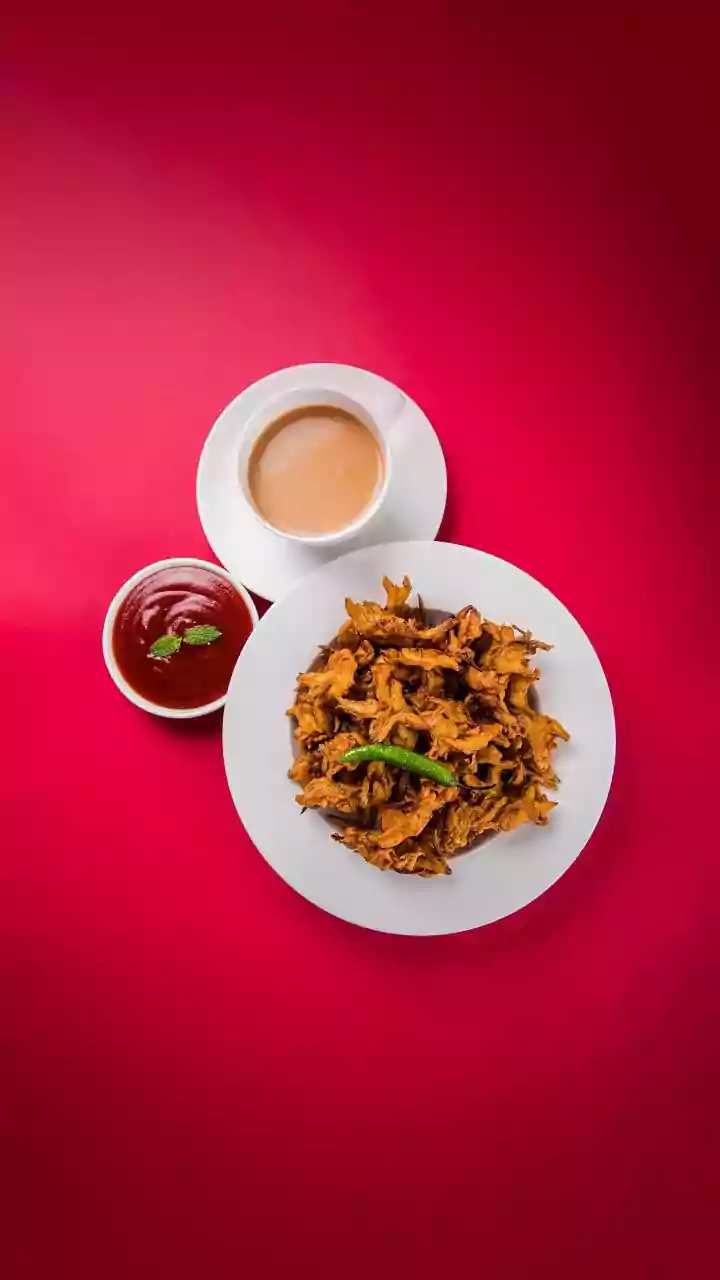
For millions, the monsoon season is synonymous with the craving for chai and pakoras. It’s more than just a snack; it's a cultural touchstone, a catalyst for conversations, and a source of comfort on a dreary day. This pairing is a celebration of flavours
and textures—the sweet, milky, spiced tea cutting through the oily, savoury crunch of the fried fritters. This emotional connection is powerful, linking the snack to happy memories, family gatherings, and a collective sense of joy. The appeal is undeniable, and the craving is almost instinctual when the first drops of rain hit the ground. But in our modern lives, where lifestyles are more sedentary, this traditional indulgence comes with a new set of rules we need to learn.
What’s Really in Your Cup and on Your Plate?
Let’s break down this beloved duo. A typical cup of street-style or home-made chai is often brewed with a generous amount of sugar to balance the strong tea and spices. This can lead to significant sugar intake in one sitting. Then come the pakoras. They are almost always deep-fried, often in oil that has been reheated multiple times. This process not only loads the pakoras with calories and unhealthy fats but can also create harmful trans fats. While the gram flour (besan) base offers some protein and fibre, the frying process largely negates these benefits, turning a potentially wholesome snack into a high-calorie, high-fat indulgence. A single serving can be a significant portion of your daily recommended fat and calorie intake.
The Hidden Costs of Frequent Indulgence
When chai-pakora becomes a regular habit instead of an occasional treat, it can take a toll on your health. A diet high in fried foods and sugar is strongly linked to a range of non-communicable diseases that are on the rise in India. Regular consumption can contribute to weight gain, obesity, and insulin resistance, which is a precursor to type 2 diabetes. Furthermore, the trans fats found in commercially fried foods are known to increase 'bad' LDL cholesterol and lower 'good' HDL cholesterol, raising the risk of heart disease. The combination can also lead to digestive issues like bloating and acidity, and may lower your overall immunity, which is particularly crucial during the monsoon season when infections are common.
Redefining the Ritual: Healthier Alternatives
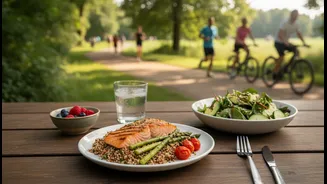
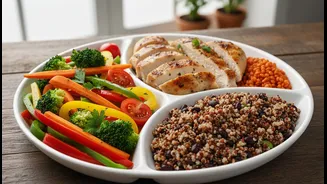
Understanding the limits doesn't mean giving up your favourite snack entirely. It’s about making smarter choices. For your chai, consciously reduce the amount of sugar. You can also explore natural sweeteners or learn to appreciate the taste of tea with fewer additions. For pakoras, the cooking method is key. Instead of deep-frying, try baking, air-frying, or pan-frying your pakoras with minimal oil. These methods can drastically cut down the fat and calorie content while still delivering a satisfying crunch. You can also make the batter healthier by loading it with more vegetables like spinach, carrots, and cabbage, which increases the fibre and nutrient content.
The New Rules for Guilt-Free Enjoyment
The key to enjoying chai and pakoras without compromising your health is moderation and mindfulness. Reserve this combination for a weekly treat rather than a daily staple. Pay attention to portion sizes; a few pakoras can be satisfying without derailing your health goals. Instead of making it a meal, enjoy it as a small snack. Pair your pakoras with healthier accompaniments like a fresh green chutney instead of sugary ketchup. By reframing it as a mindful indulgence, you can continue to cherish this culinary tradition in a way that loves you back, ensuring you can enjoy it for many more monsoon seasons to come.