




The Usual Suspects
First, a quick refresher. Ultra-processed foods, or UPFs, are industrial formulations made with ingredients you wouldn’t typically use in a home kitchen. Think packaged snacks, sugary drinks, instant noodles, and frozen pizzas. They’re generally defined
not by their nutrients but by the extent of their processing. For years, studies have linked high consumption of these foods to an increased risk of obesity, heart disease, type 2 diabetes, and other health issues. The main concerns revolve around their high levels of added sugar, unhealthy fats, and sodium, coupled with a low content of fibre and essential nutrients. These foods are often engineered to be 'hyper-palatable', making them incredibly easy to overeat.
A Blanket Ban Isn't the Answer
The simple rule to 'avoid all UPFs' has been easy to follow, but nutrition scientists are now arguing it might be too blunt. The most common classification system, called NOVA, has been criticised for being too broad. It groups foods like mass-produced whole-grain bread, fortified breakfast cereals, and plant-based milks into the same category as sugary soft drinks and packaged cookies. This has sparked a debate: is the processing itself always the problem, or does the nutritional value of the food matter more? A growing body of research suggests that the nutritional quality of a food is a more important factor than just how it's made.
Differentiating The Good From The Bad
The new wave of research is finding significant differences within the UPF category. For instance, studies have found that while items like sugary drinks and processed meats are consistently linked to negative health outcomes, other UPFs show neutral or even protective effects. These 'better-for-you' UPFs often include products like whole-grain breads, certain high-fibre breakfast cereals, yogurts, and plant-based dairy alternatives. A study on diabetes risk even found that ultra-processed whole-grain breads were associated with protection, while those made with refined grains were associated with higher risk, highlighting the dramatic difference ingredients can make.
How To Be a Savvy Shopper
So, what does this mean for your next grocery run? It means shifting from avoiding a category to reading the label. When choosing a processed food, check the nutrition facts panel. Look for options that are lower in added sugars, sodium, and saturated fat. At the same time, seek out positive attributes like high fibre content and the presence of whole grains. For example, when choosing bread, look for 'whole grain' or 'whole wheat' as the first ingredient. When buying cereal, compare brands and choose one with less sugar and more fibre. It's about making a more informed choice rather than applying a blanket ban that might exclude some convenient and nutritious options.
The Big Picture Remains The Same
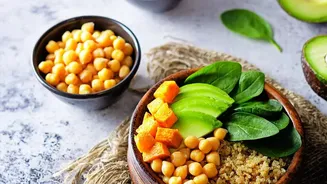
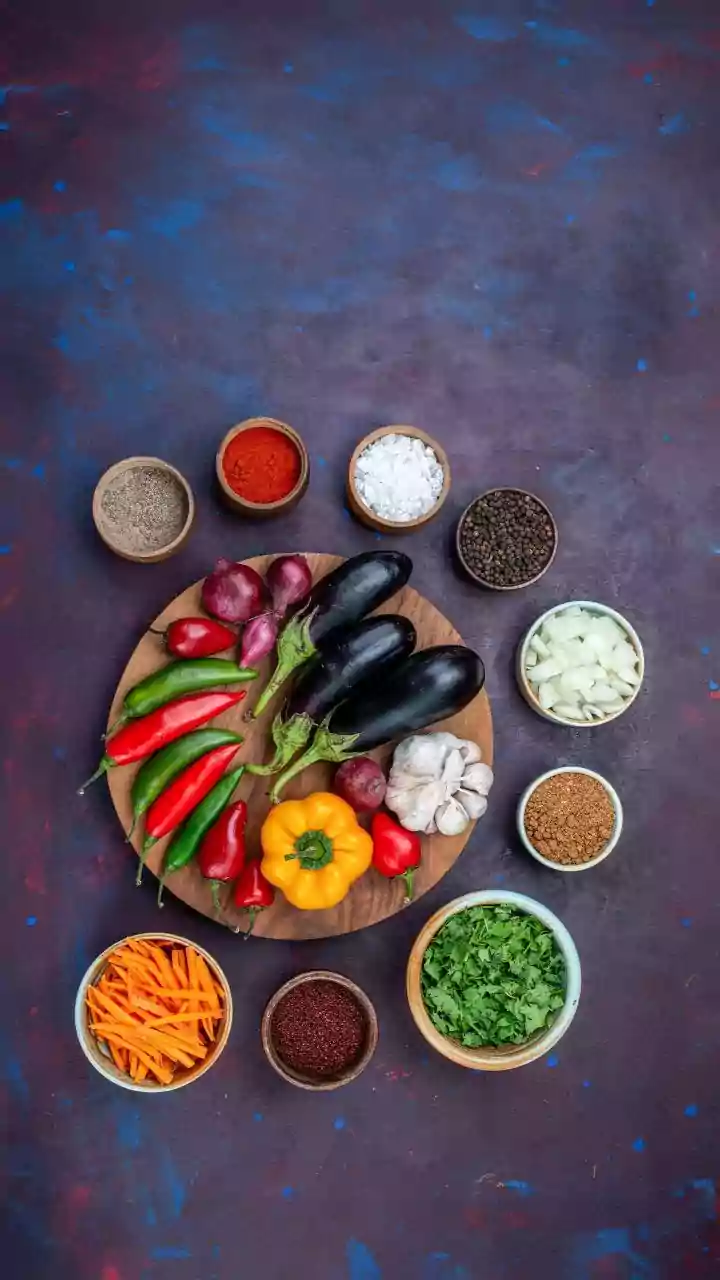
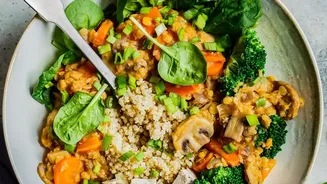
It’s important to keep this new research in perspective. While some UPFs are better than others, no one is suggesting they should form the foundation of your diet. The core principles of healthy eating haven't changed: a diet rich in whole and minimally processed foods like fruits, vegetables, legumes, and whole grains is still the gold standard for good health. The debate isn't about replacing salads with packaged meals. Instead, it’s a recognition that in our modern food landscape, some processed foods can be part of a balanced diet without causing harm, and may even offer benefits like fortification with vitamins and minerals.