


The Sunshine Vitamin Paradox in India
Vitamin D is often called the 'sunshine vitamin' because our bodies produce it when skin is exposed to sunlight. It plays a crucial role in helping the body absorb calcium, making it fundamental for strong bones and a healthy immune system. Yet, studies
show that between 70% to 100% of the Indian population across all age groups suffers from a deficiency. Several factors contribute to this, including darker skin pigmentation which reduces Vitamin D production, cultural practices that limit sun exposure, and modern indoor lifestyles. While sunlight is the primary source, dietary intake is a critical way to bridge this gap, especially when direct sun exposure is limited.
Mushrooms: A Unique Plant-Based Powerhouse
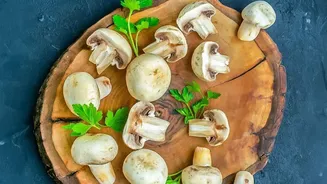
Enter the humble mushroom. In the world of plant-based foods, mushrooms are unique. They are one of the only non-animal, unfortified food sources that can provide a substantial amount of Vitamin D. Here’s how it works: mushrooms contain a compound called ergosterol. When this compound is exposed to ultraviolet (UV) light, either from the sun or a lamp, it converts into Vitamin D2. This process is remarkably similar to how human skin produces Vitamin D3 from cholesterol when exposed to sunlight. So, the Vitamin D content in mushrooms isn't fixed; it depends entirely on their exposure to light.
Not All Mushrooms Are Created Equal
Because most commercial mushrooms are grown in the dark, they often contain very little Vitamin D off the shelf. However, some producers now treat their mushrooms with UV light post-harvest to significantly boost their levels. Varieties like button, cremini (portobello), and shiitake respond very well to this treatment. Wild mushrooms like chanterelles and morels, which grow in sunlight, are naturally higher in Vitamin D. You can even enhance the Vitamin D levels of store-bought mushrooms at home. Simply slicing them and placing them in direct sunlight for 15 to 30 minutes before cooking can dramatically increase their Vitamin D content.
How Do They Compare to Other Foods?
While UV-exposed mushrooms are a fantastic vegetarian source, it's important to have a balanced diet. The most potent natural sources of Vitamin D are fatty fish and cod liver oil. In the Indian context, fish like Hilsa (Ilish) and Mackerel (Bangda) are excellent choices. Egg yolks also contain a good amount of Vitamin D. Additionally, many foods in India are now fortified with Vitamin D, including milk, some yogurts, edible oils, and breakfast cereals. Reading labels is key to identifying these products. For vegetarians and vegans, combining UV-exposed mushrooms with fortified foods is the most effective strategy.
Simple Ways to Add Mushrooms to Your Diet
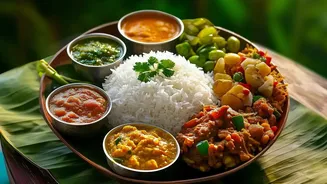
Incorporating mushrooms into everyday Indian cooking is simple and delicious. Their meaty texture and umami flavour make them a versatile ingredient. You can try a simple Mushroom Masala or Bhaji, where sautéed mushrooms are cooked with onions, tomatoes, and spices. They are a wonderful addition to pulao, biryani, or even a simple dal for an extra layer of flavour and nutrients. For a quick snack or appetiser, stuffed mushrooms with a filling of paneer, herbs, and spices are always a hit. Remember to sauté mushrooms on a relatively high heat initially to brown them rather than steam them, and add salt towards the end of cooking to preserve their texture.