

A Human-Made Star
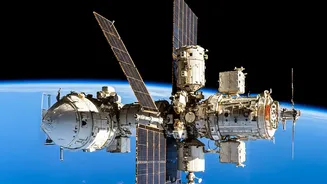
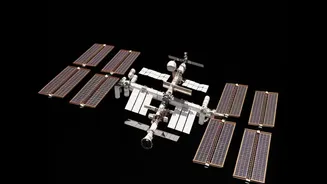
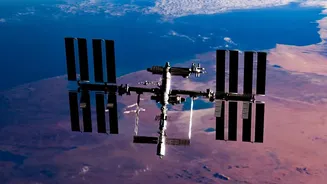
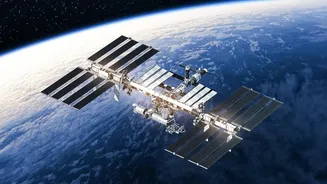
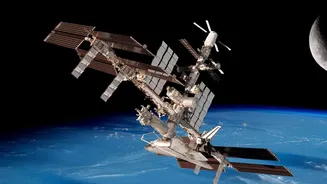
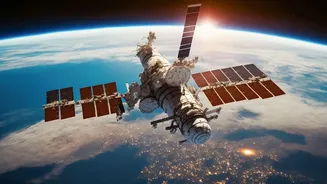
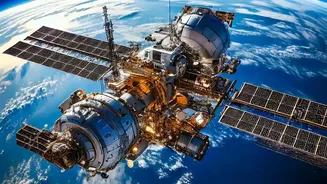
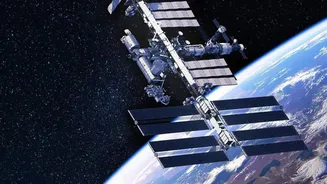
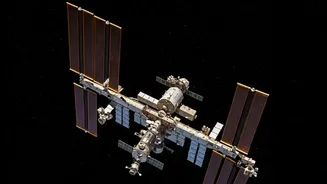
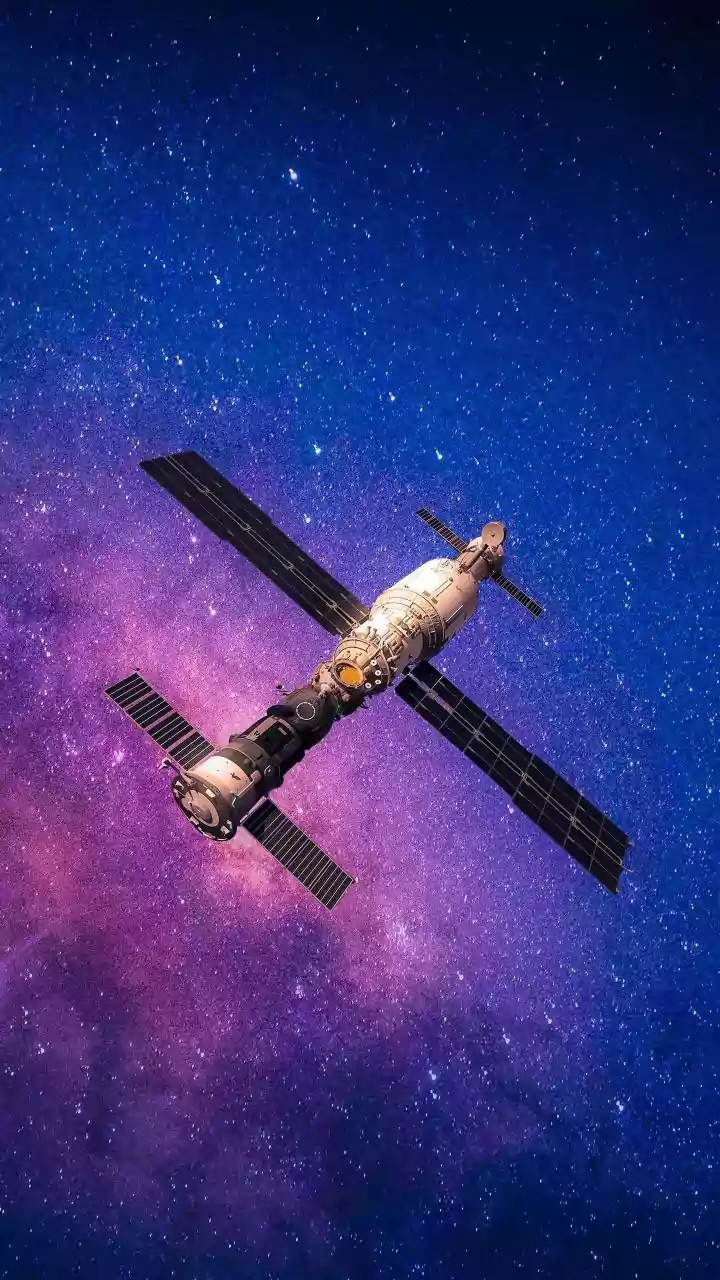
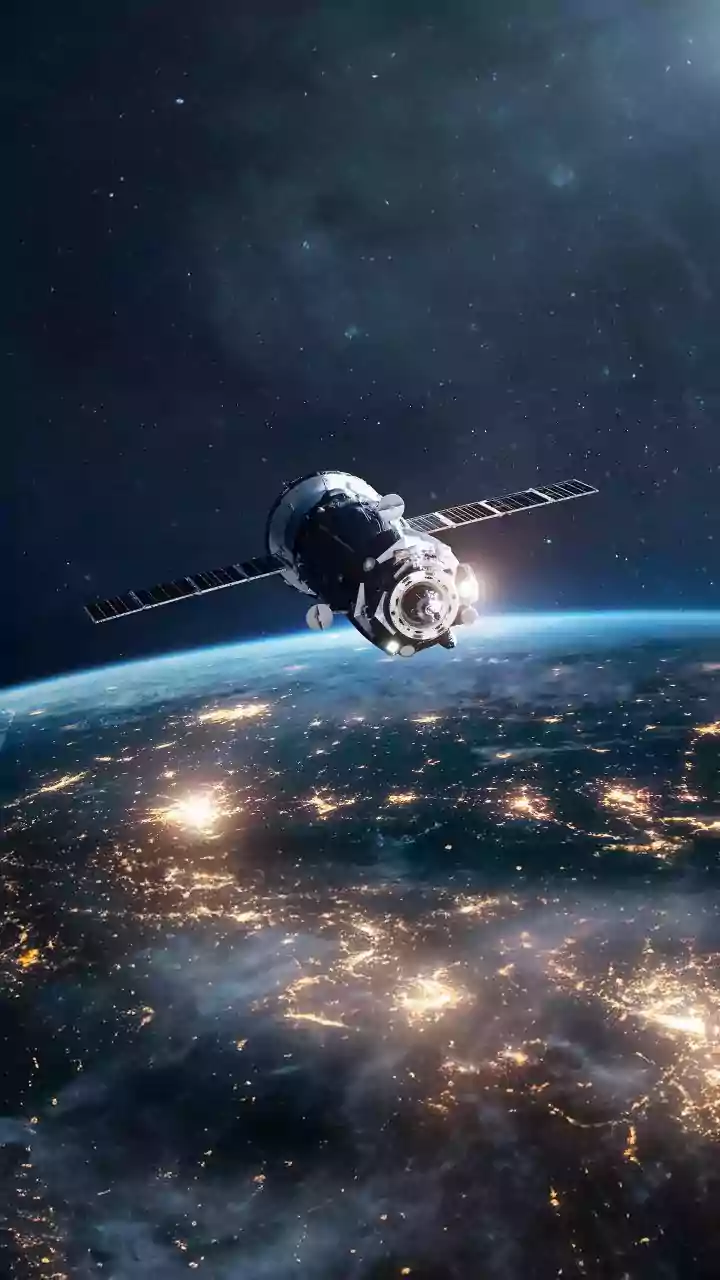
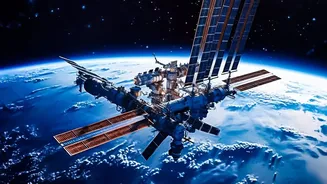
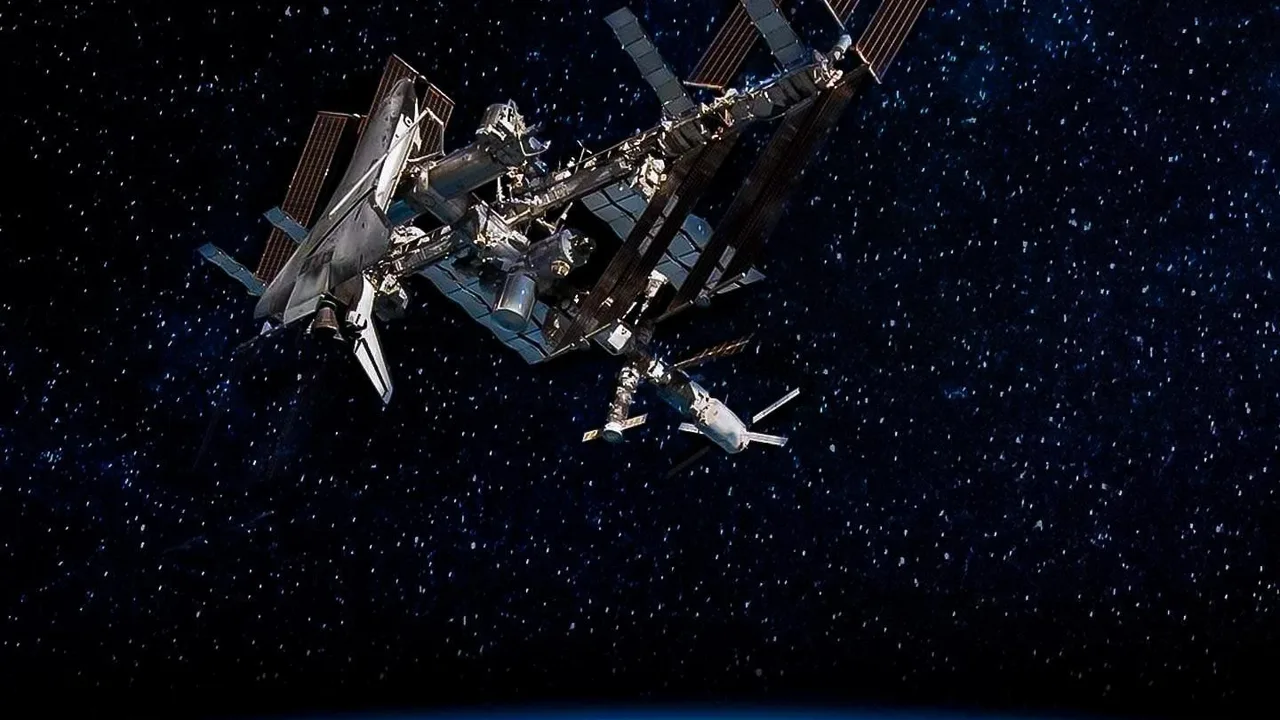
Orbiting the Earth at a breathtaking speed of over 27,000 kilometres per hour, the International Space Station is a football-field-sized laboratory in the sky. It's the largest human-made object in low Earth orbit and has been continuously occupied by
astronauts for over two decades. What makes it visible to us down on the ground is not its own lights, but the reflection of the sun's rays off its vast solar panels and metallic surfaces. This makes it, at times, the brightest object in the night sky after the Moon. Because of its orbital path, the ISS passes over more than 90% of the Earth's populated areas, including all of India, making sightings a regular and accessible event for skywatchers here.
What To Look For
When you scan the sky for the ISS, you are not looking for a complex spacecraft. To the naked eye, it appears as a very bright, steady point of light moving purposefully across the sky. Many first-time viewers mistake it for an airplane. The key difference is that the ISS does not have flashing or blinking lights like a commercial aircraft. It shines with a constant, unwavering brightness. It moves much faster than a plane, crossing a large arc of the sky in just a few minutes before gracefully disappearing as it enters Earth's shadow or dips below the horizon. The best viewing opportunities occur within a few hours of sunrise or sunset, when the ground is dark but the station, at its high altitude of around 400 kilometres, is still bathed in sunlight.
Your ISS Tracking Toolkit
You don't need a telescope to see the ISS, but you do need to know when and where to look. Thankfully, several excellent and free tools make this incredibly simple. The most highly recommended resource is NASA's official 'Spot The Station' service. You can visit their website, select your city in India, and get a list of all upcoming viewing opportunities, including the exact time, duration, maximum height, and the direction in which it will appear and disappear. For those who prefer using their smartphones, the official 'Spot The Station' app (available on iOS and Android) provides the same information along with push notifications, so you never miss a pass. Other popular and reliable apps include Heavens-Above and ISS Detector, which offer detailed sky charts and even augmented reality (AR) features to help you pinpoint the station's path.
A Step-by-Step Viewing Plan
Ready to spot the station? Follow these simple steps for a successful viewing. First, check one of the recommended apps or websites a day or two in advance to find a good viewing opportunity for your location. Look for a pass with a high maximum height (closer to 90 degrees is directly overhead) and a long duration (four minutes or more is excellent). On the day of the viewing, find a spot with a clear view of the sky, away from tall buildings or trees. About five minutes before the scheduled time, go outside and let your eyes adjust to the darkness. Face the direction listed as 'Appears' on your tracking app. When the time comes, patiently scan that part of the sky. Soon, you'll see a bright dot emerge and begin its silent, majestic journey across your field of view.
Capturing the Moment
While watching the ISS with your own eyes is a magical experience, you might also want to photograph it. Capturing a simple streak of the ISS is possible even with a smartphone that has a manual or 'pro' mode. You will need a tripod to keep the phone steady. Set your camera to a long shutter speed (10-30 seconds), a wide aperture (the lowest f-number), and an ISO between 400 and 1600. For DSLR or mirrorless camera users, a wide-angle lens is recommended to capture a large part of the sky. The goal is to open the shutter just before the ISS enters your frame and close it after it leaves, which will create a beautiful light trail against the backdrop of the stars.