






The Latest Lunar Contracts
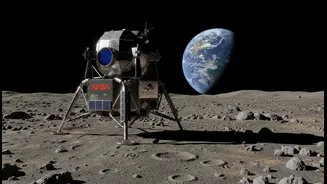
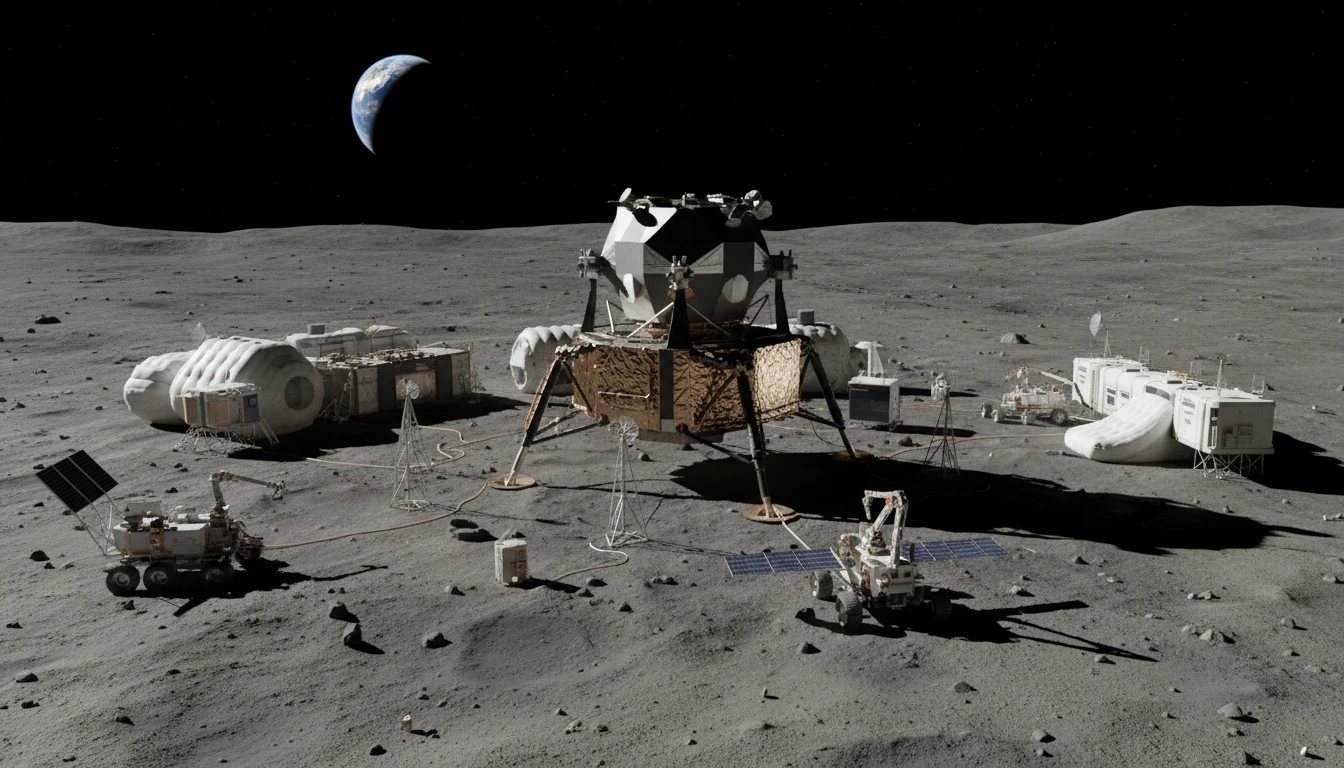
In late June 2026, NASA committed nearly $600 million for four new robotic missions to the Moon, scheduled for delivery in late 2028. The contracts were awarded to three companies already familiar with the challenges of lunar travel: Astrobotic, Firefly
Aerospace, and Intuitive Machines. Astrobotic received the largest share, about $298 million for two separate deliveries, while Firefly and Intuitive Machines were awarded approximately $144 million and $148 million, respectively, for one mission each. This isn't just a vote of confidence in these specific companies; it's a deliberate acceleration of NASA's Commercial Lunar Payload Services (CLPS) initiative. This program is the backbone of the agency's plan to establish a long-term presence on the Moon, and these new orders signal a significant ramp-up in activity.
A New Model for Space
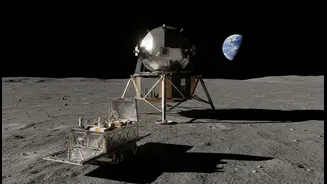
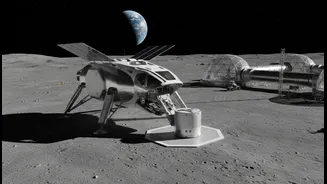
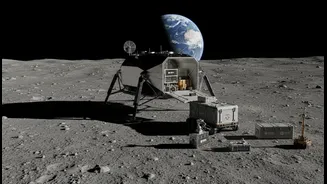
The CLPS program represents a fundamental shift from the way NASA operated during the Apollo era. Instead of designing, building, and flying its own spacecraft for every task, the agency is now acting as a customer, buying delivery services from private industry. This approach allows NASA to leverage the innovation and speed of the commercial sector, aiming for more frequent and affordable access to the lunar surface. The companies are responsible for the entire process, from launch to landing, giving them the flexibility to develop their own technologies and business models. The ultimate goal is to create a thriving lunar economy where NASA is just one of many customers, fostering a sustainable ecosystem of transport and logistics beyond Earth.
A High-Risk, High-Reward Gamble
This new commercial model is not without its risks, and NASA has been clear about its tolerance for them. Landing on the Moon remains incredibly difficult, a fact underscored by the mixed results of early CLPS missions. While Intuitive Machines achieved a historic first commercial landing in 2024, other missions from companies like Astrobotic have failed to reach the lunar surface. Another lander successfully touched down but tipped over, limiting its operational capacity. Far from being a deterrent, these outcomes are considered part of the learning process. NASA calls this strategy taking “shots on goal,” where the high volume of missions allows for rapid iteration and learning, even if some individual attempts fail. The failures provide invaluable data that helps both NASA and the commercial partners refine their technology for the next attempt.
Why Planning Is Critical Now
The recent awards demonstrate what “careful planning” means in this new context. NASA is not simply throwing money at the problem; it's making strategic investments. The new missions will use updated versions of landers that have already flown, allowing companies to incorporate lessons from both their successes and failures. This iterative design process is crucial for improving reliability. Furthermore, by increasing the mission cadence, NASA is pushing the industry to move from one-off custom projects toward a more standardized, repeatable production line. This approach, described by one CEO as a “lunar utility pipeline,” is essential for building a dependable logistics chain. Careful planning here means managing a diverse portfolio of providers, learning from setbacks, and steadily industrializing the process of getting to the Moon.
The Road to a Moon Base
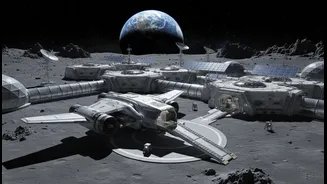
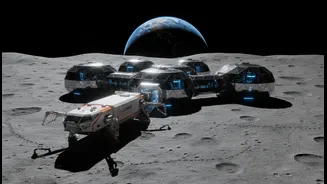
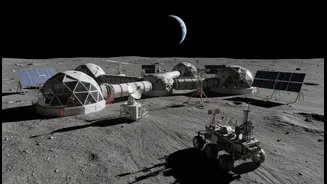
These robotic cargo deliveries are not the end goal; they are the essential first steps. Every payload of scientific instruments and technology demonstrations delivered by CLPS providers helps lay the groundwork for the Artemis program, which aims to return humans to the Moon for long-term stays. The instruments on the newly awarded 2028 missions, for example, will study the radiation environment and the effect of lander plumes on lunar dust—critical data for ensuring astronaut safety. As the program matures into what some are calling CLPS 2.0, the missions will become more ambitious, delivering heavier cargo and the building blocks for a permanent lunar base. These small, robotic landers are the couriers paving the way for a human future on the Moon.