


The Science Behind the Burn
Freezer burn occurs through a process called sublimation, where ice turns directly into a gas without melting into water first. All foods contain water, and when frozen, this water becomes ice crystals. Over time, these ice crystals migrate from the food to the coldest
part of the freezer, which is often the freezer walls. As the water molecules escape, oxygen can move in to take their place. This exposure to air and loss of moisture is what causes the signature dry, leathery spots and discoloration on frozen food, essentially dehydrating it.
Is Freezer-Burned Food Safe?
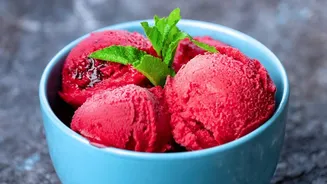
The short and simple answer is yes. Food with freezer burn is generally safe to eat. Keeping your freezer at a consistent 0°F (-18°C) or below prevents the growth of harmful bacteria and other pathogens. However, safety and quality are two different things. While not unsafe, freezer burn significantly impacts the taste, colour, and texture of your food. Meats can become tough and flavorless, vegetables may turn shriveled and dry, and ice cream can lose its creamy consistency, becoming grainy and covered in ice crystals.
Prevention Is the Best Strategy
The key to preventing freezer burn is to stop air from reaching your food. Start by properly cooling foods before you freeze them; placing hot items in the freezer can cause temperature fluctuations that encourage ice crystal formation. Use airtight containers like freezer-safe bags, vacuum-sealed bags, or glass containers. When using bags, remove as much air as possible before sealing. You can press it out, or even use a straw to suck out the remaining air. For extra protection with items like meat, consider a double wrap: first in plastic wrap or freezer paper, and then inside a freezer bag or a layer of foil. Finally, label everything with a date and try to use older items first to ensure food doesn't sit in the freezer for too long.
How to Salvage Your Food
If you do find a bit of freezer burn, don't immediately throw the food away. For many items, you can simply trim off the affected areas either before or after cooking. If a piece of meat has a few dry spots, cutting them away can often solve the problem. For food where the texture has been more widely compromised, using it in dishes with a lot of moisture can help. Soups, stews, and slow-cooker recipes are excellent for rehydrating tougher cuts of meat. Using strong marinades or flavorful sauces can also help mask any off-flavors. For freezer-burned fruits, blending them into a smoothie is a great way to use them without noticing the textural changes.