


The Soul of a Monsoon Classic
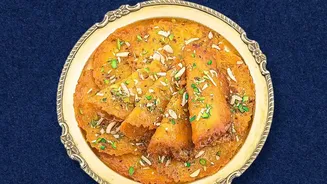
For generations, the arrival of the monsoon season in Rajasthan and across North India has been synonymous with Ghewar. This disc-shaped sweet, with its intricate, porous texture, is made from a simple batter of flour and ghee, fried to a golden crisp,
and then drenched in sugar syrup. It is more than just a dessert; it's a cultural emblem, traditionally associated with the festivals of Teej and Raksha Bandhan. During these celebrations, it symbolizes joy, togetherness, and the enduring bond of family. The classic preparations are topped with rabri (thickened sweet milk), malai (cream), or a simple garnish of chopped pistachios and almonds, offering a taste that is both rich and comforting.
A Sweet Reinvention
While the love for traditional Ghewar remains strong, a creative wave is sweeping through India's sweet shops and kitchens. Chefs and confectioners are using the classic Ghewar as a canvas for culinary innovation, introducing an array of imaginative toppings that cater to a modern, globalized palate. The plain, crisp shell of the Ghewar, which has a neutral aroma, proves to be the perfect base for this experimentation. This reinvention is not just about novelty; it's about blending the familiar with the unexpected and creating new traditions for a younger generation.
From Chocolate to Avocado
The new avatars of Ghewar are as delightful as they are diverse. Chocolate Ghewar, topped with a rich ganache and chocolate shavings, has become a popular fusion choice for those who love both Indian and Western desserts. Fruit-laden versions, featuring fresh mangoes, strawberries, or kiwis, offer a refreshing and colourful twist. Some inventive sweet makers have gone even further, introducing savoury-leaning creations like Hass Avocado Halwa Ghewar or surprising combinations like a Ghewar topped with rabri and jalebi caviar. Other exotic flavours making an appearance include Lavender Lemon, Matcha, and even Ghewar 'cakes' layered with frosting, blurring the lines between mithai and modern patisserie.
The Pioneers of Flavour
This trend is being led by both legacy sweet shops and contemporary chefs. In Jaipur, the heartland of Ghewar, iconic establishments like Laxmi Misthan Bhandar (LMB) and modern chains like Kanha Sweets are offering both classic and fusion varieties. In Delhi and Gurugram, chefs are pushing boundaries. Chef Nishant Choubey has experimented with avocado, while Chef Kush Koli has reinterpreted the sweet with a historical nod and a molecular gastronomy twist. These pioneers are not just selling a product; they are crafting new experiences, proving that the crispy, golden disc of Ghewar has limitless potential.
Tradition Meets Trend
This evolution isn't a rejection of tradition but an expansion of it. The classic Malai and Rabri Ghewars continue to be bestsellers, especially during festival seasons, holding a special place in the hearts of purists. However, the new variations are attracting a younger demographic, making the sweet relevant and exciting for millennials and Gen Z. They offer a perfect blend of nostalgia and novelty — a familiar taste presented in a fresh, Instagram-worthy format. This culinary dialogue ensures that Ghewar is not a relic of the past but a living, evolving part of India’s gastronomic story.