
Why Your Weather App Is So Confused
Across India, traditional weather patterns are changing. Climate change is leading to more frequent and intense heatwaves, delayed winters, and unpredictable monsoons. This shift means the clear-cut divisions between summer, monsoon, and winter are becoming
increasingly blurred. You might experience a flash downpour in what should be a dry month or a sudden heatwave during a traditionally cooler period. This 'in-between' weather, where one day feels like peak summer and the next feels damp and humid, makes getting dressed a daily challenge. Relying on a wardrobe strictly divided by season is no longer a practical strategy.
The Problem with an Outdated Closet
When your wardrobe is built for distinct seasons, you often face a frustrating dilemma: a closet full of clothes, but nothing 'right' to wear. Heavy winter wear sits unused for months, while your summer clothes feel inadequate during a sudden humid spell. This leads to impulse buys to fill a temporary gap and a feeling of being unprepared. Furthermore, it's inefficient and unsustainable. Garments designed for a very specific, and now shrinking, seasonal window offer poor value. The fast fashion model, which encourages buying more for shorter periods, only worsens this cycle, contributing to waste.
The Solution: A Flexible, Trans-Seasonal Wardrobe
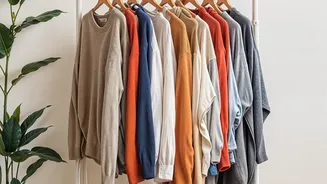
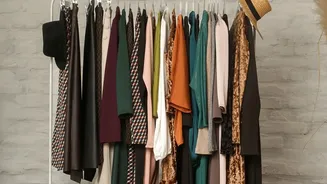
The answer lies in building a 'trans-seasonal' or flexible wardrobe. This is a curated collection of versatile, high-quality pieces that can be worn across different weather conditions. Instead of having separate 'summer' and 'winter' sections, you focus on items that can be layered, mixed, and matched. The goal is to create a core collection that works for the majority of the year, with only a few specialist items needed for extreme cold or heat. This approach saves money, reduces closet clutter, and makes daily dressing far less stressful.
Focus on Fabrics That Breathe
The foundation of a flexible wardrobe is fabric. In a country where much of the climate is hot and humid, breathable materials are non-negotiable. Natural fibres are your best friends. Cotton, especially in lighter weaves like poplin, voile, and mulmul, is excellent for allowing air circulation. For high-humidity zones, linen and khadi are superior as their slightly stiffer weaves hold the fabric away from the skin, promoting better airflow and faster drying. These fabrics are comfortable in both dry heat and damp conditions, making them true year-round staples.
Master the Art of Smart Layering
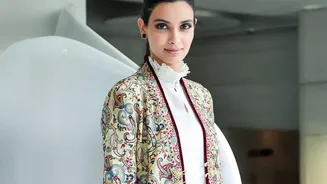
Layering is the key technique for navigating unpredictable weather. But this isn't about piling on heavy winter clothes. It's about 'light layering'. Think of a breathable overshirt that can be thrown over a simple cotton t-shirt, a lightweight shrug, or a classic trench coat that works for both mild chills and as a shield against unexpected rain. A well-chosen scarf or stole can add warmth on a cool morning but can be easily stowed in a bag as the day heats up. This adaptability allows you to adjust your outfit on the go without a full change.
Invest in Versatile, Timeless Silhouettes
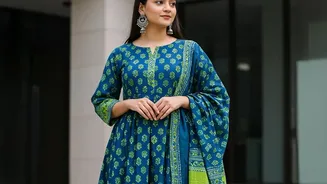
Rather than chasing fast-fashion trends, focus on timeless silhouettes that offer comfort and elegance. A-line dresses, straight-cut kurtas, relaxed-fit trousers, and co-ord sets are fantastic choices because they create shape without clinging to the body. A well-cut everyday kurta, for example, can be styled for work, casual outings, or family gatherings. These classic pieces serve as the backbone of your wardrobe, allowing you to create dozens of outfits by simply switching accessories or layers.