





More Than a Sweet Treat
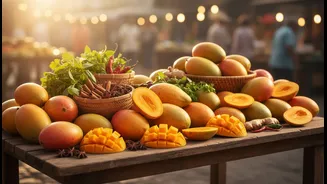
Across India, from Delhi and Lucknow to Bengaluru and Pinjore, mango festivals (or 'melas') have evolved from simple harvest celebrations into powerful platforms with a multi-faceted mission. While the chance to taste hundreds of varieties is a major
draw for the public, organizers and agricultural bodies see a bigger picture. These festivals are a conscious effort to preserve agricultural heritage, bolster local economies, and connect urban consumers directly with the cultivators of their food. At their best, they are vibrant, living showcases of India's immense agricultural richness, providing a crucial link between the farm and the city.
A Living Library of Mangoes
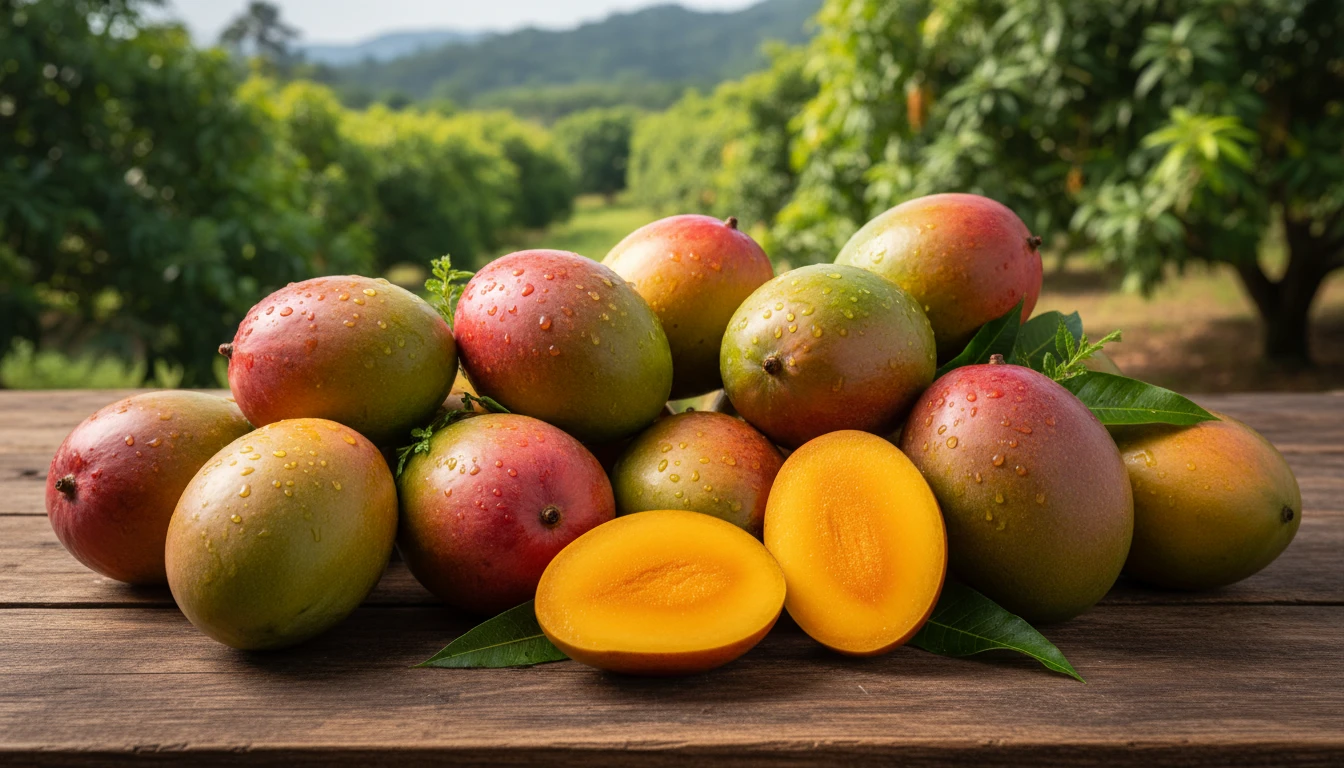
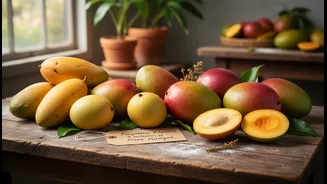
India is home to an astonishing number of mango varieties, with estimates ranging from 500 to over 1,500. However, commercial pressures often mean that only a few well-known types—like Alphonso, Kesar, or Dasheri—dominate the market. Mango festivals act as a crucial counterpoint, serving as a living library for this incredible biodiversity. Events like the Uttar Pradesh Mango Festival, which might showcase over 700 varieties, give farmers a stage to present lesser-known, heirloom, and regional mangoes that might otherwise vanish. Visitors get to discover unique fruits like the parrot-beaked Totapuri, the fibreless Langra, or the aromatic Himsagar, each with its own history and flavour profile. This exposure helps preserve these unique genetic strains, ensuring that the future of the mango is as diverse as its past.
Connecting Farmers to Fruit Lovers
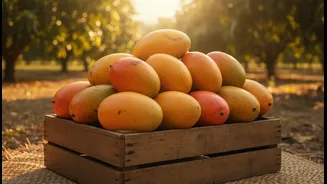
One of the most significant impacts of these festivals is the direct support they offer to farmers. By providing a platform for growers to sell their produce directly to consumers, melas help eliminate intermediaries, allowing farmers to secure better prices and increase their income. This direct interaction is invaluable; farmers receive immediate feedback and build a customer base, while consumers can purchase farm-fresh, often naturally ripened, carbide-free fruits. Organizers in cities like Bengaluru and Lucknow actively promote this farm-to-fork connection, turning the event into a transparent and beneficial marketplace for small-scale growers from across their respective states. This not only boosts the rural economy but also fosters a sense of appreciation among city dwellers for the hard work that goes into cultivation.
The Sweetest Travel Itinerary
Mango festivals have also become significant drivers of regional and agri-tourism. Events held in places like Ratnagiri, Lucknow, and Pinjore attract thousands of visitors from neighbouring cities and even other countries. This influx of tourists provides a major boost to the local economy, benefiting hotels, transportation, and other businesses. Some events, like the Hanu Reddy Mango Festival near Chennai, are built entirely around the concept of mango tourism, offering orchard tours, bullock cart rides, and farm-life experiences. This trend encourages people to travel and explore a region through its unique culinary offerings, turning a simple love for mangoes into a journey of cultural and agricultural discovery.