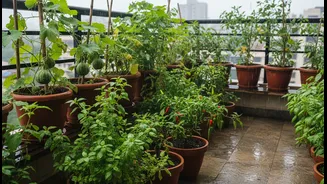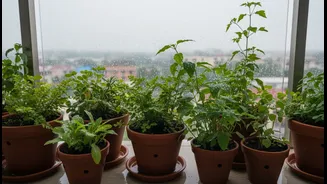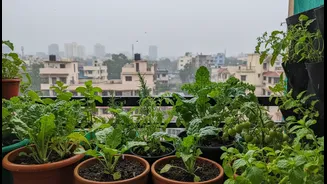



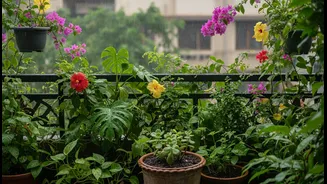


From Good to Gorgeous
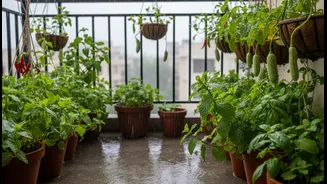
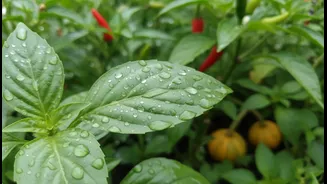
You’ve successfully navigated the basics. Your pots are brimming with palak, your chillies are ripening, and the familiar gourds are beginning to vine. The satisfaction is immense, but the curiosity for what else is possible is growing. The Indian monsoon,
a season of rejuvenation, offers the perfect opportunity to graduate from a purely functional garden to one that is a feast for the senses. Moving beyond the essentials doesn't mean abandoning them; it means complementing them with colour, fragrance, and form. The same rains that nurture your vegetables can encourage spectacular blooms and lush foliage, turning a simple balcony into a vibrant, multi-layered ecosystem. The next step in your gardening journey involves asking new questions: Which flowers thrive in heavy downpours? Can fruits actually grow in balcony pots? What about plants that are simply beautiful to look at? Let's explore the answers.
Monsoon Blooms: A Riot of Colour
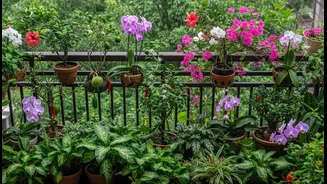
While many plants fear the constant wetness, several flowering species come alive during the monsoon. Their blooms are often more vigorous, thanks to the high humidity and cooler temperatures. Hibiscus, a year-round favourite, puts on a particularly impressive show during the rains, producing large, trumpet-shaped flowers. Similarly, fragrant varieties like Mogra (Arabian Jasmine) and Crape Jasmine adore the humidity, their scents mingling with the smell of rain. For easy, vibrant colour, consider Balsam, which blooms profusely from July to September, or Periwinkle (Sadabahar), a hardy plant that tolerates heavy rain with minimal fuss. And as their name suggests, Rain Lilies are a magical addition, often sprouting their delicate pink, white, or yellow flowers almost overnight after a good shower. These plants not only add visual appeal but also attract pollinators like butterflies, making your balcony a livelier space.
Foliage and Form: The Ornamental Turn
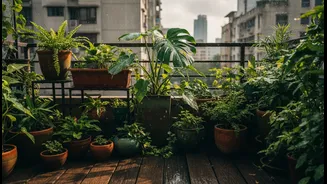
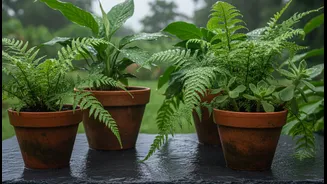
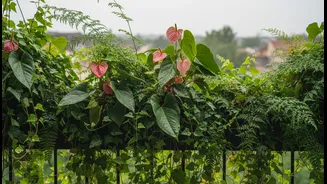
Beauty in a garden isn't limited to flowers or food. The monsoon is a golden season for foliage plants, many of which evolved in tropical rainforests and thrive in these exact conditions. Plants like Caladiums, with their brilliantly patterned heart-shaped leaves in shades of pink, white, and green, reach their peak vibrancy. Similarly, Colocasia (Taro), valued for its large, dramatic leaves, can give your balcony a lush, jungle-like feel and tolerates soggy soil better than most. Ferns, too, unfurl new fronds with renewed energy, bringing a soft, delicate texture to your space. Even popular indoor plants like Monsteras, Philodendrons, and Syngoniums will reward you with larger, glossier leaves if moved to a sheltered spot on the balcony where they can enjoy the humid air.
Fruiting Ambitions: Sweet Rewards in Small Spaces
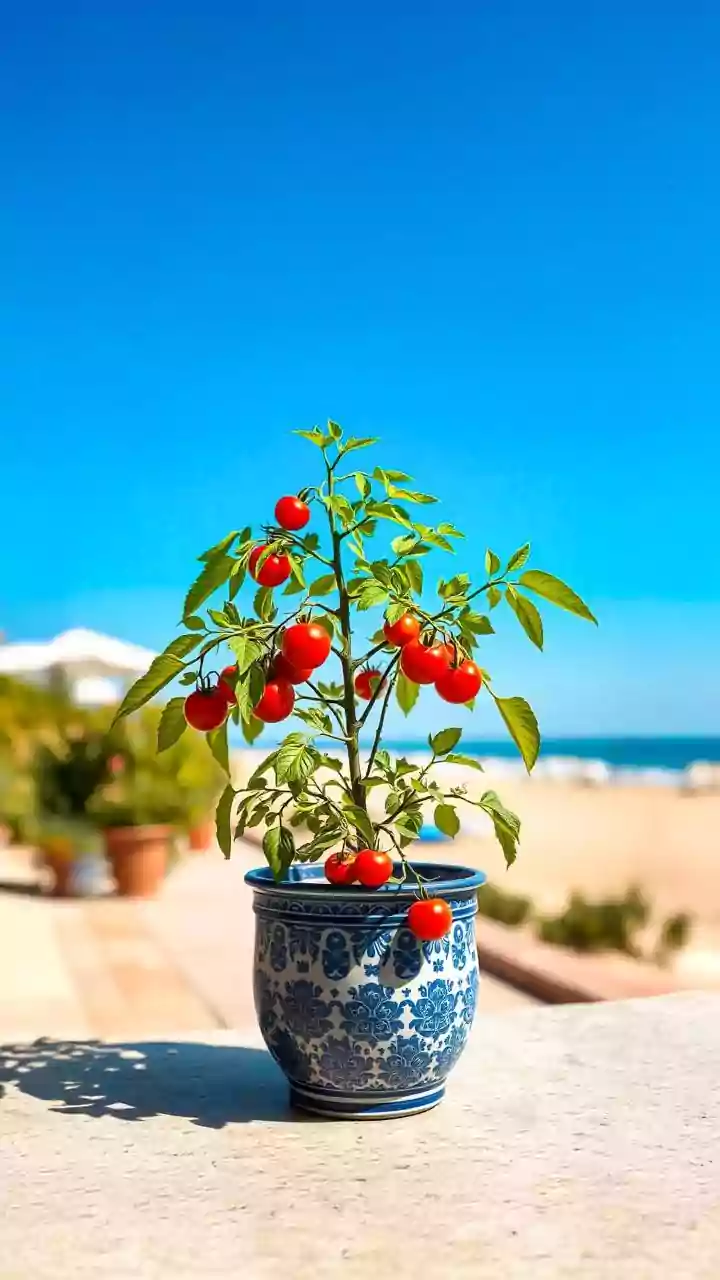
The idea of harvesting fruit from a balcony might seem ambitious, but it's more achievable than you think, especially with dwarf varieties. Dwarf lemon and pomegranate plants are well-suited for container gardening and can thrive on a sunny balcony. Strawberries are another excellent choice; they grow well in hanging baskets or vertical planters, keeping the fruit off the damp ground. If you have a railing or trellis, a passion fruit vine can be a rewarding project. While fruiting plants require more attention to sunlight and specific nutrients, the reward of a homegrown fruit is unparalleled. Even a fig plant can do well in a large pot, adding a tropical look with its large leaves while you wait for its delicious produce.
Advanced Care for Monsoon Success
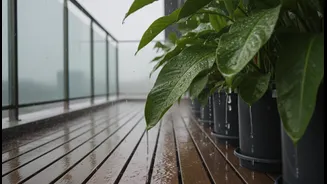
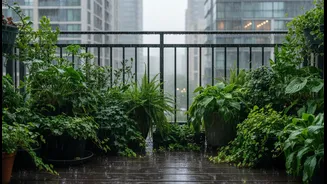
Expanding your garden comes with new challenges. The very generosity of the monsoon—its constant moisture and humidity—can cause problems if not managed. Drainage is the most critical rule of monsoon gardening. Ensure every pot has unobstructed holes to prevent waterlogging, which leads to root rot. It's often best to remove the saucers under pots during this season to stop water from stagnating. High humidity also creates a breeding ground for fungal diseases and pests like snails. Improve air circulation by leaving some space between your pots and prune any yellowing or diseased leaves promptly. Finally, remember that cloudy days mean less sunlight and slower growth, so you can reduce fertilizing. The goal is to assist nature, not fight it.