

Choosing Your Pot and Seeds
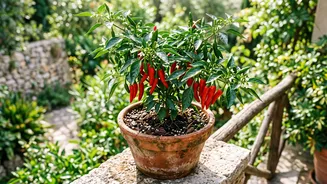
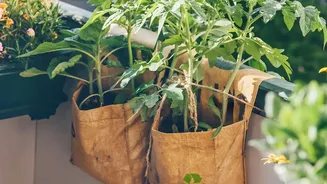
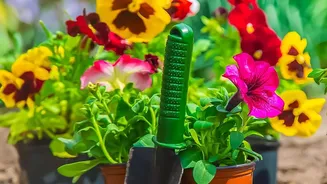
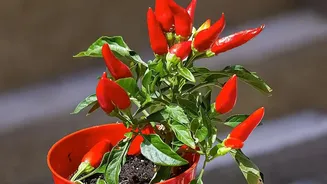
Your journey begins with the right home for your plant. Select a container that is at least 5 gallons or 10-12 inches deep to give the root system ample space to grow. Ensure the pot has plenty of drainage holes at the bottom, as chilli plants dislike
waterlogged soil, which can lead to root rot. For beginners, starting with a healthy seedling from a local nursery is often easier than starting from seed. If you do choose seeds, you can purchase them or even use ones from fully dried chillies from your kitchen.
The Perfect Soil Foundation
Thai chillies thrive in a well-draining, nutrient-rich soil. Avoid using heavy garden soil, which compacts easily in pots and can suffocate the roots. Instead, opt for a high-quality potting mix. A great combination is a mix of compost, coir (coconut fibre), and perlite. The compost provides nutrients, the coir helps retain moisture without getting soggy, and the perlite ensures good aeration and drainage.
Planting and Placement
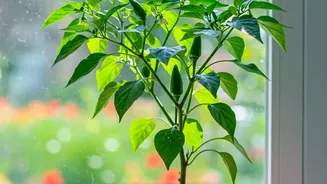
If using a seedling, gently place it in the centre of your pot, fill the surrounding space with your soil mix, and water it lightly. The most critical factor for success is sunlight. Chilli plants are sun-lovers and require a minimum of six hours of direct sunlight each day to produce a good harvest. A sunny balcony, terrace, or a south-facing windowsill is an ideal location. While the plants are young, you may want to protect them from extremely heavy rain.
Watering and Feeding
Consistent watering is key, but be careful not to overdo it. A good rule of thumb is to water the plant whenever the top inch of soil feels dry to the touch. Water deeply until it runs out of the drainage holes, but allow the soil to dry out slightly between waterings to prevent problems. During the growing season, you can feed your plant with a balanced liquid fertilizer every three to four weeks to encourage healthy growth and abundant fruit production. Look for a fertilizer that is specifically formulated for vegetables or tomatoes.
Watching for Pests
Potted chilli plants are generally hardy, but they can sometimes attract common pests found in India like aphids, thrips, and mites. Aphids are small, sap-sucking insects that can cause leaves to curl. Thrips can leave silvery patches on leaves, while mites may create fine webbing on the undersides. Often, a strong spray of water can dislodge these pests. For persistent issues, organic solutions like neem oil are effective and widely available.
Harvesting Your Fiery Bounty
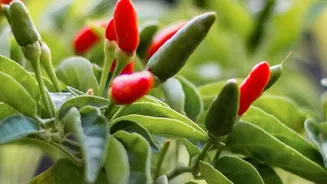
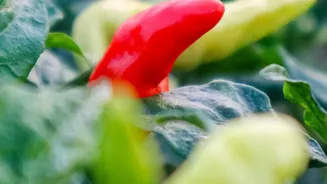
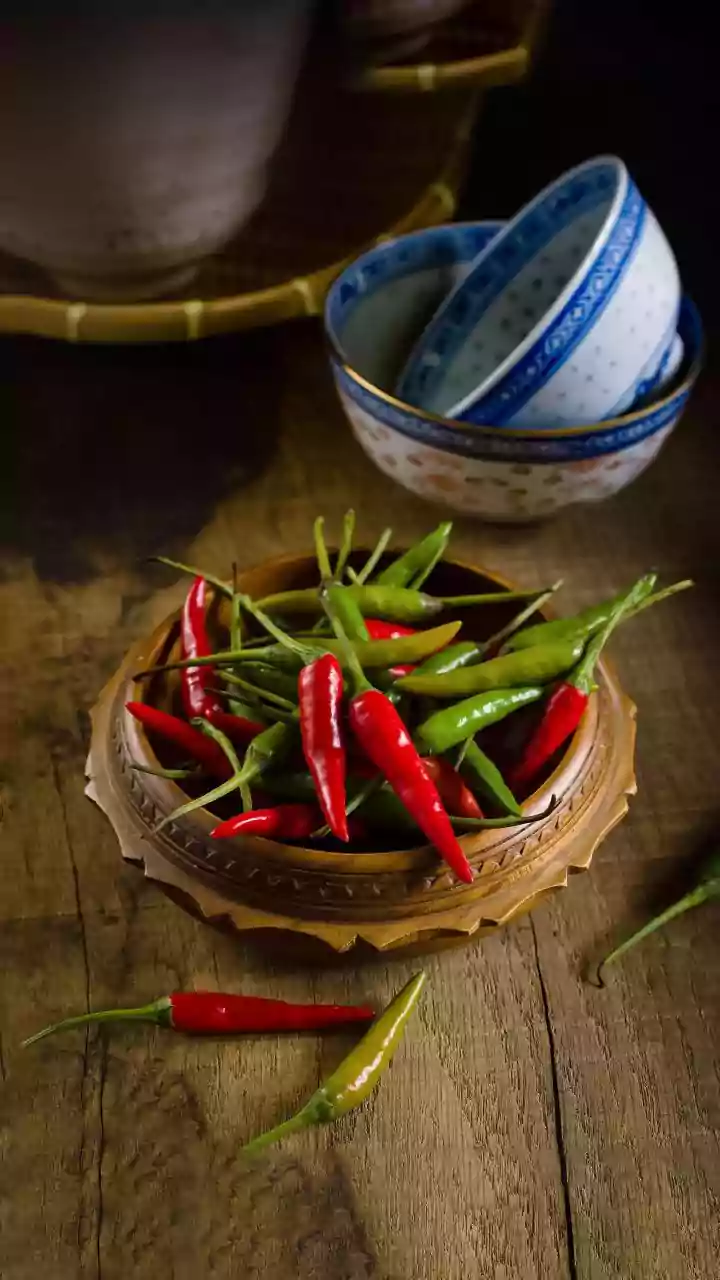
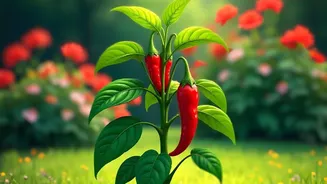
The most exciting part is the harvest. Thai chillies can be picked when they are green, but they will develop more heat and a sweeter flavour if you wait for them to turn a vibrant red. Regular harvesting actually encourages the plant to produce more flowers and, consequently, more fruit. Use a pair of scissors or small shears to snip the peppers off the stem. This prevents you from accidentally damaging the branches of the plant. A single healthy plant can produce a surprisingly large number of chillies throughout the season.