






Assess Your Destination’s Risk Profile
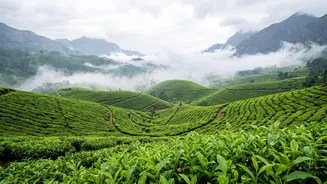
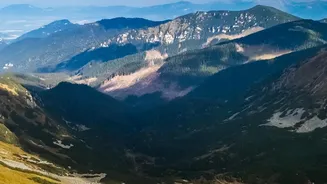
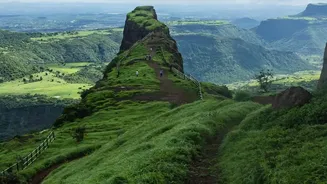
Before falling for pictures of lush green hills, do a quick reality check on the location. Hilly and coastal regions are beautiful during the monsoon but are also prone to landslides and flooding. Check for recent news about your chosen destination. Has
it experienced severe weather, landslides, or major road closures in recent weeks? The India Meteorological Department (IMD) is your most reliable source for weather warnings and forecasts, often issuing alerts for heavy rainfall. Some areas in the Himalayas and Western Ghats are known for higher landslide susceptibility. Choosing a destination that is generally less affected by heavy rains can be a smarter move during peak monsoon months.
Vet Your Accommodation Thoroughly
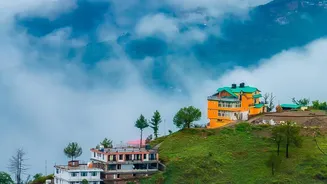
Your hotel or resort is your safe haven. Before booking, call them directly and ask specific questions. Enquire about their preparedness for monsoon-related issues. Do they have 24/7 power backup? Power cuts can be frequent during heavy rains. Ask if the property is located away from areas prone to waterlogging or on a stable slope, not directly on a steep or eroding hillside. It is also wise to check if they have measures to prevent stagnant water, which can be a breeding ground for mosquitoes carrying diseases like dengue and malaria. Reading recent guest reviews can also provide clues about how the hotel manages during the rains.
Verify Your Travel Route and Transport
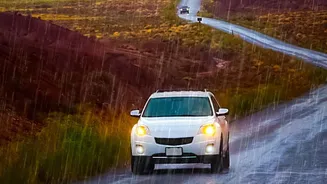
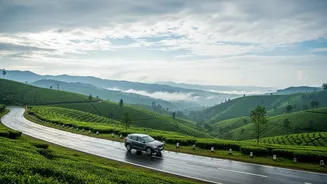
Getting there is half the journey, and in the monsoon, it can be the most unpredictable part. If driving, check the condition of the roads you plan to take. Many mountain roads and highways are prone to blockages from landslides or flooding. Driving on slippery, pothole-filled roads, especially at night, is hazardous. It is often safer to hire a local driver who has experience navigating the terrain in these conditions. If you're relying on public transport, be aware that flights and trains can be delayed or cancelled due to bad weather. Always have a flexible itinerary with buffer days to account for potential travel disruptions.
Check Cancellation Policies and Insurance
Monsoon plans can change in an instant due to a sudden weather warning or a cancelled flight. Before you pay, carefully read the cancellation and refund policies for your hotel and travel bookings. Flexible or refundable bookings are highly recommended. This is also the perfect time to consider travel insurance. A good policy can cover you for trip cancellations or interruptions due to weather-related events, as well as medical emergencies. Given the increased risk of travel disruptions and health issues during this season, having insurance provides a crucial safety net.
Plan for Health and Hygiene
The monsoon increases the risk of water-borne and mosquito-borne illnesses. When booking, confirm that your accommodation provides access to safe, purified drinking water. It's best to stick to bottled water and avoid tap water or ice from unknown sources. Be cautious with street food, especially items that are not served hot or may have been exposed to contaminated water. Pack a basic medical kit with medications for fever, stomach issues, and any personal prescriptions, along with a good insect repellent and hand sanitiser. Staying dry by changing out of wet clothes promptly can also help prevent fungal infections.