






More Than Just a Gimmick
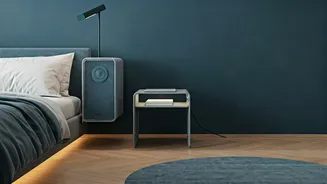
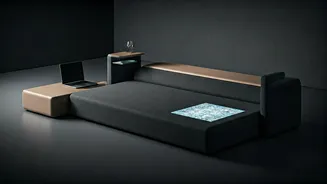
Forget the sci-fi fantasies of talking chairs or self-making beds. The 'smart furniture' trend taking root in urban India is far more practical. At its core, it’s about integrating technology and clever design to solve everyday problems. Think of a bedside
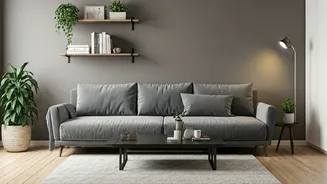
table with a built-in wireless charger, eliminating the nightly scramble for a cable. Or a sofa with discreetly embedded USB ports and speakers, decluttering your living room. It's furniture that does more than just occupy space; it actively enhances the functionality of a room. This new generation of home furnishings is designed for a life that is increasingly digital, connected, and lived within the confines of four walls.
The Urban Squeeze Fuels Demand
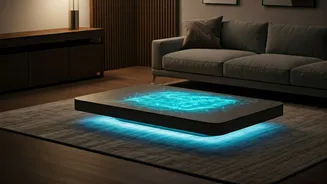
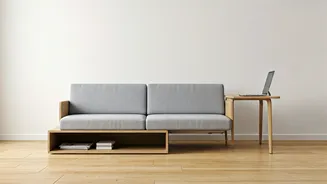
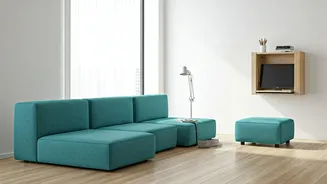
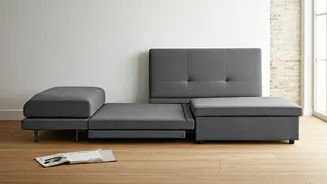
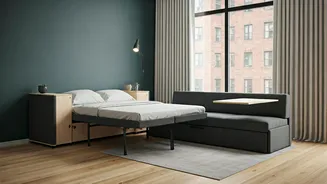
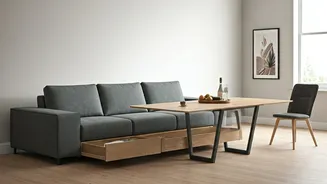
The primary driver behind this trend is the changing landscape of urban Indian real estate. As property prices in metros like Mumbai, Bengaluru, and Delhi soar, apartment sizes are shrinking. A 3BHK from a decade ago often has the same square footage as a 2BHK today. This compression of space demands that every piece of furniture justify its existence. A bulky, single-purpose item is a luxury few can afford. Smart furniture excels here by being multi-functional. A coffee table might rise to become a dining table or a workstation. A bed frame could include hydraulic storage, built-in reading lights, and charging stations. This isn't just about convenience; it's about reclaiming precious square feet and making small homes feel more spacious and liveable.
The Post-Pandemic Home Office
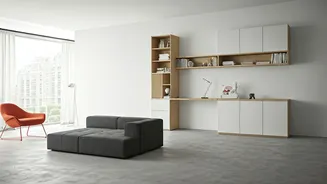
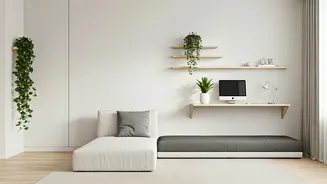
The work-from-home (WFH) revolution, accelerated by the pandemic, has permanently altered our relationship with our homes. The makeshift office on the corner of the bed or the dining table is no longer a sustainable solution. This has created a massive demand for ergonomic and tech-integrated home office setups. Smart desks with adjustable height settings, built-in power strips, and cable management systems are no longer a niche product. They are becoming essential for professionals seeking comfort and productivity. Brands have responded with entire lines of modular and smart WFH furniture, recognising that the home office is now a permanent fixture, not a temporary compromise. This shift has made consumers more willing to invest in furniture that supports their professional lives as much as their personal ones.
Aspirations and Accessibility
While functionality is key, the appeal of smart furniture is also tied to aspiration. For a growing, tech-savvy middle and upper-middle class, a smart home is a status symbol. It reflects a modern, globally-connected lifestyle. Initially, these products were expensive imports, accessible only to a select few. However, with domestic brands like Godrej Interio, Pepperfry, and Urban Ladder entering the fray, along with a host of direct-to-consumer startups, prices are becoming more competitive. While still a premium over traditional furniture, the value proposition of getting a charger, a speaker, and a table all in one package is increasingly compelling. EMI options and online sales have further lowered the barrier to entry, making this trend less about luxury and more about smart, practical upgrades for the modern home.