




The Allure and the Anxiety
Open-concept homes remove walls to create a feeling of spaciousness and connection. The kitchen flows into the dining area, which merges with the living room. While this design is great for entertaining and family togetherness, it presents a unique organizational
challenge. Without walls to define boundaries, the mess of daily life—mail on the counter, shoes by the door, toys on the floor—is always on display. This constant visual clutter can make a space feel stressful and chaotic, undermining the very sense of calm and openness it was designed to create. The problem isn't the open space itself, but the lack of structure within it.
First, Create Invisible Walls
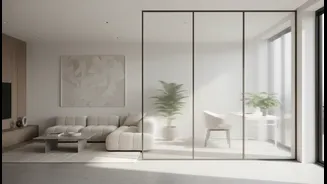
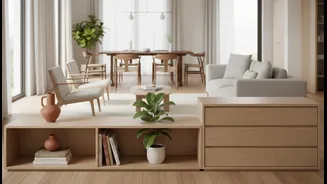
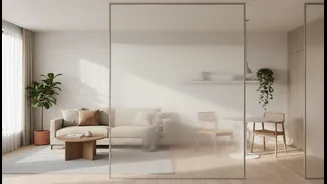
Before you buy a single storage bin, the most crucial step is to create distinct zones for different activities. Think of this as drawing invisible lines on the floor to designate where one “room” ends and another begins. The easiest way to do this is with furniture and rugs. Use the back of your sofa to create a soft but clear boundary between the living area and the dining space. A long, low console table placed behind the sofa can reinforce this line and provide an extra surface for lamps or decor. Area rugs are another powerful tool; placing a large rug under your seating group visually anchors the living zone, while a different rug can define the dining area. This strategic placement tells your brain, and your guests, that each area has a specific purpose.
Give Every Item a Dedicated Home
The headline says it all: for an open space to feel tidy, every single item needs a designated place to live. This is the golden rule of organization. When the remote control, the stack of mail, and your laptop charger have a specific home, putting them away becomes an automatic, thoughtless action rather than a major cleaning effort. This is especially critical in an open-plan layout where countertops and coffee tables can quickly become magnets for clutter. The goal is to create a system where items can be returned to their spot with minimal effort. This might mean a decorative box on a shelf for remotes or a charging station tucked inside a cabinet.
Embrace Multi-Functional Furniture
In a home without walls, your furniture needs to work harder. Prioritize pieces that offer built-in storage to keep everyday essentials out of sight. Think of an ottoman with a lift-off top for storing blankets and magazines, a coffee table with deep drawers, or a window seat that doubles as a concealed cabinet. These pieces are heroes of the open-concept home because they provide function without adding to the visual noise. By choosing furniture that serves a dual purpose, you can significantly increase your storage capacity while maintaining a clean, uncluttered aesthetic.
Establish a Drop Zone
One of the primary sources of clutter is the entryway. Without a designated spot, the things you bring inside—keys, mail, bags, coats—tend to migrate further into your home, landing on the kitchen island or the dining table. To stop this from happening, you must create a functional 'drop zone' right by the front door. This doesn't have to be elaborate. It can be as simple as a narrow console table with a bowl for keys, a small tray for mail, and a few hooks on the wall for coats and bags. A storage bench can also work wonders, providing a place to sit and remove shoes while hiding them away underneath. Intercepting clutter at the entry point is one of the most effective strategies for keeping your open space tidy.
Utilize Vertical Space
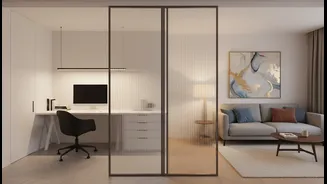
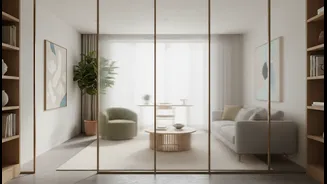
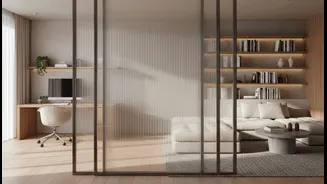
When floor space is open, look up. Using vertical space is a clever way to add significant storage without making the room feel cramped. Floor-to-ceiling built-in shelves can frame a doorway or television, providing a mix of open shelving for decorative items and closed cabinets for hiding less attractive essentials. Tall, open-backed bookshelves can even act as semi-transparent room dividers, creating separation between zones without blocking light. Drawing the eye upward not only adds storage but can also make the ceiling feel higher, enhancing the sense of spaciousness.