







The Rise of the Midnight Meal
The traditional 9 PM dinner time is becoming a thing of the past for a growing number of urban Indians. Fueled by changing work schedules, late-night entertainment, and major sporting events broadcast from different time zones, the demand for post-midnight
meals is surging. Food delivery platforms report that orders placed between 11 PM and 3 AM have seen a significant spike, with some data suggesting that late-night delivery volumes have doubled over the past year. This isn't just a big-city phenomenon; while metros like Bengaluru, Hyderabad, and Mumbai lead the charge, cities such as Surat, Patna, and Thiruvananthapuram are also witnessing a boom in nocturnal orders. This cultural shift has prompted major players to adapt. Quick-service giants like McDonald's and Domino's are now keeping many outlets open until 3 AM to cater to this growing demand, a clear sign that the late-night market has become too valuable to ignore.
Ghost Kitchens: The Engine of the Night
The backbone of this sleepless economy is the rise of the 'ghost kitchen,' also known as a cloud or dark kitchen. These are delivery-only establishments with no physical storefront or dining area. They operate out of highly optimized, often shared, kitchen spaces, designed purely for efficiency in fulfilling online orders. This model allows brands to launch and operate with significantly lower overhead costs—no rent for prime retail space, no front-of-house staff—making it economically viable to operate during off-peak hours. A single ghost kitchen facility might house multiple 'virtual restaurant' brands, all appearing as distinct options on your food delivery app. This infrastructure is crucial for the 24/7 delivery model, enabling platforms to offer a wide variety of cuisines around the clock without relying on traditional restaurants to stay open.
A New Battleground for Apps
For food delivery platforms like Swiggy and Zomato, the late-night slot is more than just an added service; it's a strategic frontier. As the daytime market becomes increasingly saturated, capturing the after-hours consumer is key to growth. It's about increasing order frequency and making the app an indispensable part of a user's daily—and nightly—routine. This expansion also extends to quick-commerce. Platforms like Blinkit, BigBasket, and Zepto are seeing demand for items like ice cream, frozen snacks, and chocolates spike during late hours, especially during events like the FIFA World Cup. The strategy is clear: become the default solution for any craving or need, at any time. Companies are leveraging data on ordering patterns to optimize inventory and ensure their network of dark stores and kitchens is ready for the midnight rush.
The Human Cost of Convenience
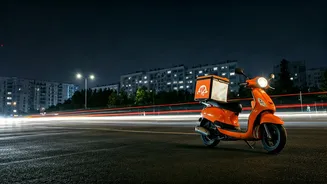
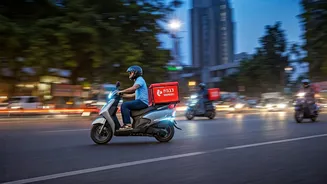
While a 2 AM burger delivery is a convenience for the consumer, it represents a complex reality for the delivery partners who make it possible. The gig economy offers flexibility, but night shifts come with a unique set of challenges. Personal safety is a major concern, with riders facing risks from rash driving and other incidents in the dead of night. Studies on food delivery workers in India point to the precarious nature of the job, defined by long hours, inconsistent earnings, and the pressure of constant algorithmic surveillance. While some riders may prefer night shifts for cooler temperatures or potentially higher incentives, they are also at the frontline of this new, non-stop economy, navigating empty streets and heightened risks to meet the demand for instant gratification.
What's on the Late-Night Menu?
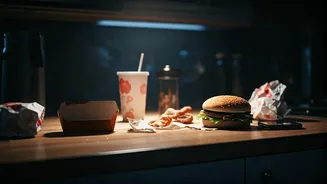
So, what are Indians ordering in the wee hours? Unsurprisingly, comfort food reigns supreme. According to platform data, pizzas and burgers are consistent top-sellers for late-night orders. Biryani, a perennial favourite, also features heavily, alongside indulgent snacks like chicken rolls and momos. Desserts, especially chocolate-based ones like choco lava cake, see a surge in popularity, pointing towards late-night orders being driven by cravings and emotional consumption rather than just hunger. This data provides invaluable insights to restaurants and cloud kitchens, helping them tailor their late-night menus to what customers truly want when the rest of the city is asleep.