







The New Rules of Cleaning
For generations, the pre-monsoon and mid-monsoon cleaning rituals in Indian households have been synonymous with the sharp smell of chemical disinfectants. The goal was simple: eradicate every germ, no matter the cost to indoor air quality or the environment.
Today, a significant shift is underway. Homeowners are moving away from harsh, synthetic products towards solutions that are both effective and eco-conscious. This new approach prioritizes plant-based ingredients and traditional wisdom, recognizing that a healthy home doesn't require polluting it with toxins. The focus is now on preventing problems like mould and pests before they start and using gentle, biodegradable options that are safe for families and pets.
Harnessing Nature's Disinfectants
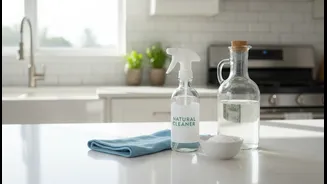
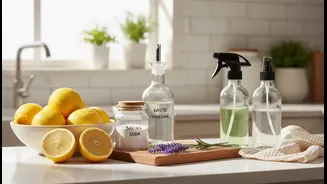
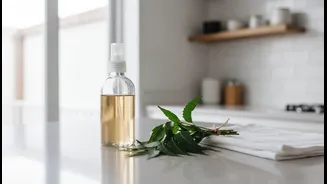
Your kitchen is likely already stocked with powerful, natural cleaning agents perfect for the monsoon. White vinegar, with its acidic nature, is excellent at cutting through grime and inhibiting mould growth. A simple solution of equal parts vinegar and water in a spray bottle can be used to clean countertops, tiles, and windowsills. For tackling stubborn stains or musty smells in carpets and upholstery, baking soda is a fantastic absorber of both moisture and odour. Traditional ingredients like neem also play a crucial role; boiling neem leaves in water creates a potent antifungal solution that can be sprayed on walls to prevent mould. Adding a few drops of essential oils like tea tree, eucalyptus, or lemongrass not only boosts the disinfectant properties but also leaves your home smelling naturally fresh.
The Rise of Bio-Enzyme Cleaners
One of the biggest game-changers in sustainable cleaning is the bio-enzyme cleaner. These solutions use beneficial bacteria to produce enzymes that break down organic waste like food stains, grease, and other dirt at a molecular level. Unlike chemical cleaners that broadly kill all bacteria (including good ones), bio-enzymes target only the grime, converting it into harmless byproducts like carbon dioxide and water. They are completely non-toxic, biodegradable, and safe for all surfaces. They are particularly effective in the monsoon for cleaning drains, eliminating odours from waste bins, and tackling tough kitchen messes, and they continue to work long after you've finished wiping.
Tackling Dampness and Mould Naturally
The number one challenge during the monsoon is the constant dampness that leads to mould and mildew. Maintaining an indoor humidity level below 60% is key. Besides using a dehumidifier, simple, natural tricks can make a huge difference. Proper ventilation is your first line of defence; open windows and doors whenever it’s not raining to allow air to circulate. Placing bowls of rock salt or charcoal briquettes in damp corners, cupboards, and bathrooms can help absorb excess moisture from the air. For clothes and linens, ensure they are bone dry before storing them, and place silica gel packets or newspaper linings in wardrobes to prevent that musty smell.
Keeping Pests Away, Gently
The rains invite all sorts of creepy crawlies into our homes. Instead of resorting to chemical-laden insect repellents, you can use natural alternatives to keep them at bay. Cockroaches and ants dislike the smell of cloves and camphor. Placing these in kitchen cabinets and near entry points can act as a deterrent. A spray made from diluted clove oil is effective against mouldy surfaces, as clove has antifungal properties. Wiping floors with a plant-based cleaner that doesn't leave a chemical residue can also make your home less attractive to bugs. Ensuring there is no stagnant water in or around your home is also critical to prevent mosquitoes from breeding.