


The Power of Persuasive Language
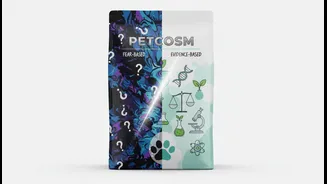
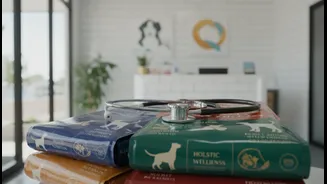
The pet food industry is booming, and with it comes a flood of marketing terms designed to appeal to our desire to provide the best for our animal companions. Words like “premium,” “holistic,” “human-grade,” and “natural” are everywhere. However, many
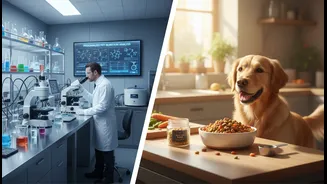
of these terms are poorly regulated, if at all. A survey found that four out of ten pet parents find claims like 'natural' or 'premium' to be misleading. This creates a confusing landscape where emotional appeals often drown out scientific evidence, making it difficult for well-meaning owners to separate fact from fiction. Some marketing even creates distrust in veterinary professionals, suggesting they are uninformed or influenced by large companies, which further complicates an owner's decision-making process.
The Grain-Free Debate and Heart Health
Perhaps no trend illustrates the risk of marketing-led nutrition better than the grain-free movement. For years, grain-free diets were promoted as a healthier, more “natural” option. However, in 2018, the U.S. Food and Drug Administration (FDA) began investigating a potential link between these diets—particularly those high in legumes like peas and lentils—and a serious heart condition called dilated cardiomyopathy (DCM) in dogs. While the FDA has not established a definitive causal link, the investigation highlights a crucial point: removing an entire food group without a medical reason can have unintended consequences. The issue appears to be highly complex, involving factors like formulation and specific ingredients rather than simply the absence of grain. Recent lawsuits, including one filed in June 2026, allege that some grain-free foods marketed as complete nutrition lacked essential nutrients vital for heart health.
The Hidden Risks of Raw Food Diets
Another popular trend is the raw food diet, often called BARF (Biologically Appropriate Raw Food). Proponents claim it mimics a wild diet and offers superior health benefits. However, major veterinary and health organizations advise against it due to significant risks. Raw meat diets carry a high risk of contamination with harmful bacteria like Salmonella, E. coli, and Listeria. These pathogens can sicken pets and also spread to humans in the household, posing a particular danger to children, the elderly, and immunocompromised individuals. Beyond bacterial risks, achieving a nutritionally complete and balanced raw diet is difficult. Studies have found that both homemade and commercial raw diets can suffer from nutritional imbalances, such as incorrect calcium-to-phosphorus ratios or vitamin deficiencies, which can lead to serious health problems over time.
How to Read a Pet Food Label Correctly
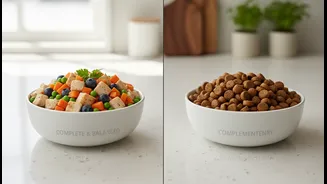
Instead of relying on front-of-bag marketing, turn the package over. The two most important things to look for are the nutritional adequacy statement and the ingredient list. The Association of American Feed Control Officials (AAFCO) sets nutritional standards for pet food. A label stating the food is “complete and balanced” and formulated to meet AAFCO nutrient profiles for your pet’s specific life stage (e.g., puppy/kitten, adult, all life stages) is crucial. An even better statement indicates the food has undergone animal feeding trials using AAFCO procedures. When looking at ingredients, they are listed by weight. Look for a high-quality protein source, like chicken or fish, as one of the first few ingredients. Be wary of vague terms like "meat by-products" without a specified source.
Your Veterinarian Is Your Best Ally
In a world of conflicting information and clever marketing, your veterinarian is the most reliable source of nutritional advice for your pet. They can assess your pet's individual needs based on their age, breed, activity level, and overall health. A balanced diet provides the right mix of protein, fats, carbohydrates, vitamins, and minerals to support everything from muscle development to immune function. Your vet can help you navigate the sea of options and recommend a diet that is backed by scientific research and feeding trials, not just advertising dollars. Building a partnership with your vet ensures that your pet's dietary choices are based on their specific needs, giving them the foundation for a long and healthy life.