






Prepare Your Home Before Arrival
A successful introduction begins before your new cat even comes through the door. Designate a separate, secure room for the newcomer. This 'sanctuary room' should have its own food, water, litter box, toys, and comfortable bedding. This separation is crucial;
it allows the new cat to decompress in a safe space while preventing immediate, and likely negative, confrontations with your resident cat. Ensure you have enough resources for two cats to avoid future competition. Experts advise the 'plus one' rule for litter boxes: one for each cat, plus one extra, placed in different locations.
Let Scent Do the Talking
For cats, scent is the primary form of communication. Before they see each other, they should become familiar with each other's smell. Start by swapping scents. Gently rub a clean sock or small blanket on each cat's cheeks and head, then place the other cat's scented item in their respective areas for them to investigate. Do this daily. Another effective technique is to switch their rooms for short periods, allowing the new cat to explore the main house while the resident cat investigates the sanctuary room. This process, known as site-swapping, helps them get used to the other's presence without direct contact.
The Power of Positive Association
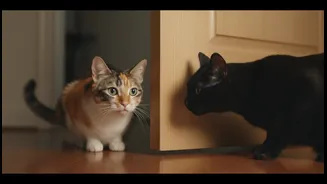
The goal is for both cats to associate the other's presence with good things. Feeding them on opposite sides of the closed door to the sanctuary room is a powerful way to build positive feelings. They will smell the other cat while enjoying their meal, creating a link between the new scent and a pleasant experience. If they both eat calmly, you can gradually move their bowls closer to the door over several days. Use high-value treats or wet food during these sessions to make the association even stronger.
The First Visual Introduction
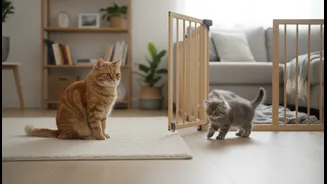
Once both cats are calm about scents and eating near the door, it's time for a brief, controlled visual meeting. Never just open the door and hope for the best. Use two stacked baby gates in the doorway, or crack the door just enough for them to see but not touch each other. Keep these initial viewings very short—just a minute or two—and end on a positive note with treats or praise. If you see signs of aggression like deep growling or flattened ears, calmly close the door and go back to scent swapping for a few more days. Patience is your best tool.
Supervised Meetings and Reading the Signs
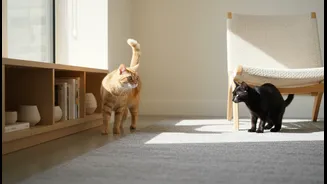
After successful visual introductions, you can allow short, supervised interactions in a neutral room. Have toys ready to distract them and keep the mood light. A little hissing or swatting can be normal posturing as they establish boundaries, but you must intervene if a real fight breaks out. Learn to read their body language. Ears forward and relaxed bodies suggest play or curiosity. Puffed-up fur, flattened ears, and low growling are signs of fear or aggression. Have a large piece of cardboard or a blanket ready to safely separate them if needed, and never use your hands. Keep these sessions short and gradually increase their duration as the cats become more comfortable with one another.
Creating Long-Term Harmony
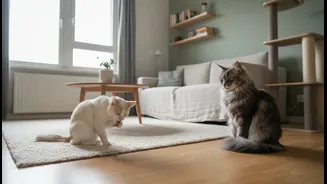
Even after the cats seem to be getting along, continue to provide an environment that minimizes conflict. Ensure there are plenty of vertical spaces like cat trees and shelves, as this increases usable territory and allows cats to avoid each other when they need space. Multiple feeding stations, water bowls, and scratching posts spread throughout the house will prevent competition over resources. Remember that the introduction process can take anywhere from a few weeks to several months. Some cats become best friends, while others may simply learn to coexist peacefully. The goal is a harmonious household, not necessarily a perfect friendship.