


The New Travel Mindset
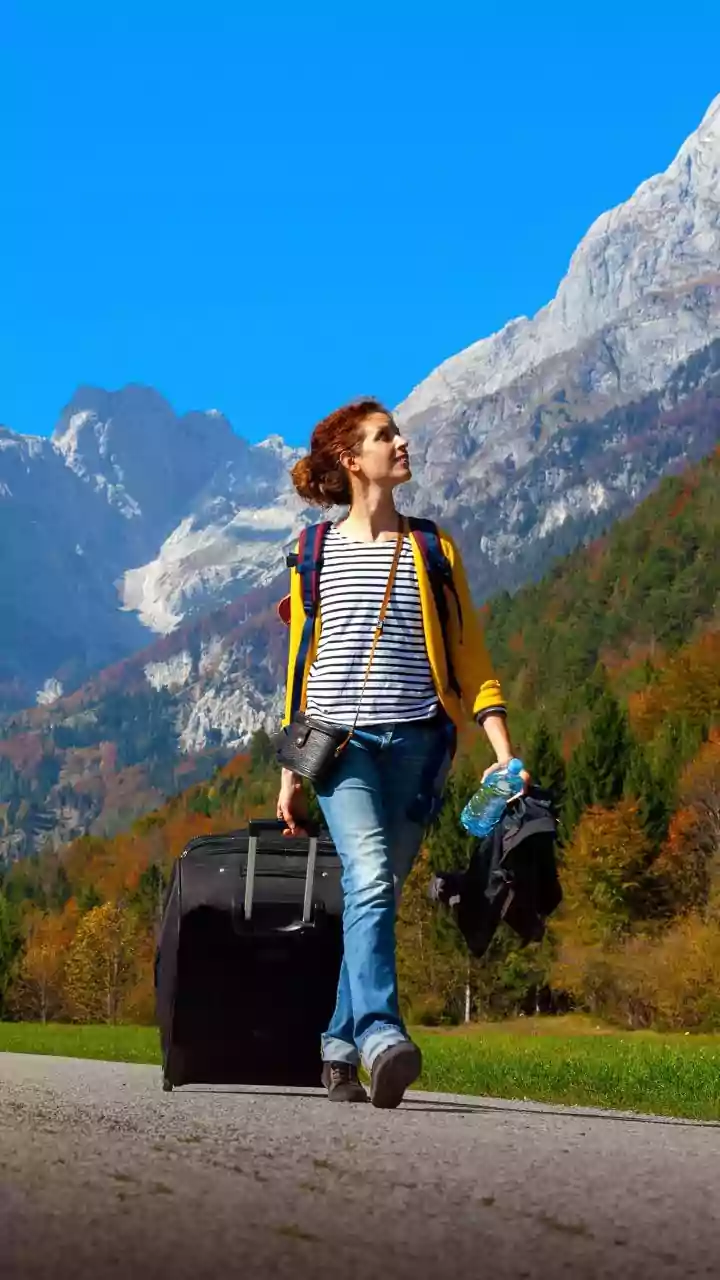
Forget whirlwind tours of Europe’s capitals or sticking to the well-trodden Golden Triangle. Today’s young Indian traveller, particularly Gen Z, is driven by a different ethos. Travel has become less of a once-a-year event and more of a lifestyle habit.
Recent reports show a significant trend towards shorter, more frequent trips that are spontaneous and experience-focused. This generation prioritises personal growth, cultural immersion, and creating unique stories over simply visiting a famous monument. It's a shift from passive sightseeing to active participation. The goal is to return home with a new skill, a fresh perspective, or a story that no one else has—whether that means learning to surf in Sri Lanka, taking a cooking class in Vietnam, or exploring ancient caves in Aurangabad.
Redrawing the World Map
While traditional destinations like Switzerland and the US still hold appeal, the new travel map for young Indians is expanding rapidly. There is a growing fascination with destinations that offer a rich blend of affordability, culture, and adventure. Countries in Southeast Asia, the Caucasus region, and Eastern Europe are rising in popularity. Destinations like Vietnam, Georgia, and Azerbaijan are attracting travellers with their stunning landscapes, unique history, and vibrant food scenes. According to a 2026 Agoda report, cultural exploration is a primary motivator for 56% of young Indian travellers, followed closely by outdoor activities. This explains the pull of places like Pokhara in Nepal for paragliding or the Annapurna circuit, destinations that promise both an adrenaline rush and a deep cultural dive.
Discovering India's Hidden Gems
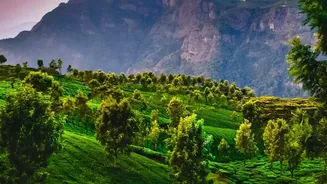
This thirst for the unconventional isn't limited to international travel. A significant part of this trend involves exploring India's own backyard beyond the usual suspects. In fact, many young travellers are actively seeking destinations that haven't gone viral online. Instead of Goa, they might head to the quieter beaches of Gokarna in Karnataka. Instead of Shimla, they are choosing slower-paced destinations like Tirthan Valley or Jibhi in Himachal Pradesh. The mountains of Uttarakhand, particularly trekking bases like Chopta, and the lush landscapes of Wayanad in Kerala are among the most booked domestic spots for Gen Z. The focus is on nature, wellness, and authentic local stays like homestays, which offer a more intimate connection to the place.
What’s Driving This Shift?
Several factors are fuelling this evolution in travel. The rise of a digital-native generation means travel planning is often done on smartphones, with a heavy reliance on AI for research and social media for inspiration. However, there's also a counter-trend of seeking places that are not all over Instagram. Increased disposable income and the rise of solo and small-group travel also play a huge role, moving away from traditional family-centric holidays. Experience is the new luxury; a 2025 report noted that 81% of young Indians would prefer luxury travel over a lavish wedding. For this demographic, luxury isn't about five-star hotels but about personalised, meaningful, and share-worthy moments. The Indian adventure tourism market itself is booming, projected to grow at a compound annual rate of over 17% between 2026 and 2034, reflecting a structural shift toward an activity-based experience economy.