

Respect Unpredictable Post-Monsoon Weather
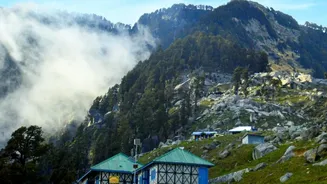
The autumn season, from late September to November, is celebrated for its stable weather and clear skies. However, guides stress that Himalayan weather is always unpredictable. The transition out of monsoon can still bring unexpected afternoon showers
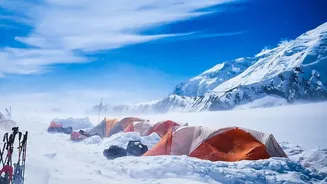
or even early snowfall at higher altitudes. A bright, sunny morning can quickly turn into a cold, foggy afternoon. It is crucial to start your trekking days early to avoid afternoon weather changes. Always check local forecasts and be prepared for a wide range of temperatures, from warm, sunny days to freezing nights.
Navigate Treacherous Terrain with Caution
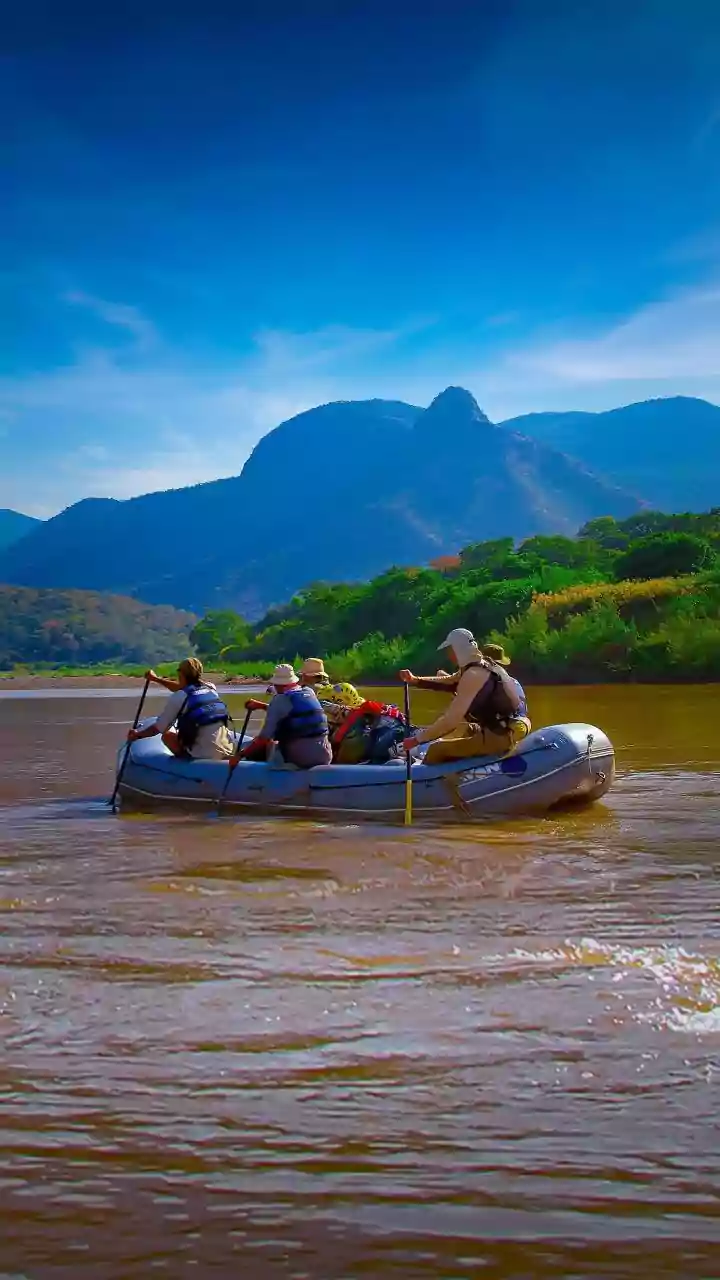
Monsoon rains leave a lasting impact on the trails. Even after the rains subside, paths can remain muddy, slippery, and unstable. Guides consistently warn about the dangers of slick rocks, mossy patches, and wet tree roots, which can be as slippery as ice. The risk of landslides and rockfalls, while lower than during the peak monsoon, still exists as the ground is saturated. Furthermore, river and stream crossings can be hazardous. Water levels may still be high, and currents surprisingly strong. Guides advise crossing streams early in the day when meltwater flow is at its lowest and never attempting to cross a swollen river.
Invest in the Right Footwear and Gear
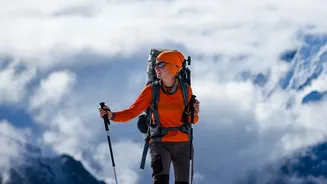
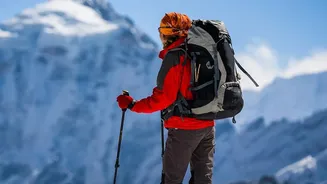
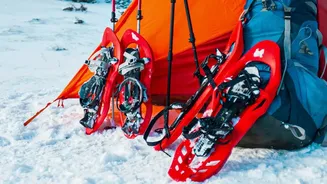
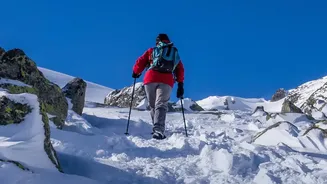
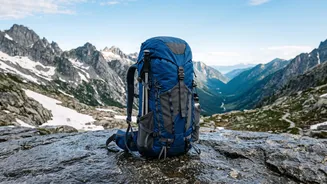
Your most critical piece of gear is your footwear. Professional guides unanimously recommend high-ankle, waterproof trekking boots with deep-lugged soles for excellent grip. This is not the place for sports shoes, which offer little traction on muddy slopes. Trekking poles are also considered essential, providing crucial stability on slippery descents and helping you test the depth of mud or water. Your backpack should have a rain cover, and your clothes and electronics should be stored in waterproof dry bags or compression sacks to protect them from residual moisture or sudden showers.
Master the Art of Layering Your Clothes
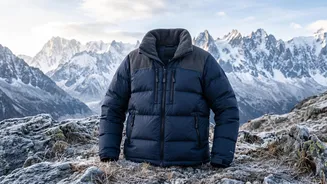
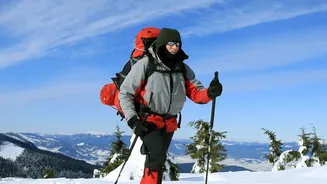
Temperatures can fluctuate dramatically throughout the day and with changes in altitude. The key to comfort and safety is a smart layering system. Guides recommend a three-layer approach: a moisture-wicking base layer to pull sweat away from your skin, an insulating mid-layer like fleece for warmth, and a waterproof and windproof outer shell jacket to protect you from the elements. Avoid cotton clothing at all costs, as it retains moisture and can lead to hypothermia. Always pack warm gloves, a wool or fleece hat, and multiple pairs of quick-drying wool socks.
Don't Underestimate Altitude Sickness
Clear skies and beautiful trails do not reduce the risks associated with high altitude. Acute Mountain Sickness (AMS) can affect anyone, regardless of age or fitness level. Guides emphasize the non-negotiable rule of acclimatisation: ascend gradually, stay hydrated, and allow your body time to adjust. A common mistake is to push too quickly on a clear day. Symptoms like headaches, nausea, and dizziness should never be ignored. If symptoms appear, the only cure is to rest or descend to a lower altitude immediately.
Hire a Local Guide and Have a Flexible Plan
While some trekkers prefer to go independently, the value of a licensed local guide is immeasurable, especially in the post-monsoon period. They possess intimate knowledge of current trail conditions, safe river crossings, and landslide-prone areas. A guide can make critical safety decisions and knows the detour routes if a trail is blocked. It's also wise to build buffer days into your itinerary. The post-monsoon transition can still bring delays from blocked roads or bad weather, and a flexible schedule reduces the pressure to take risks.