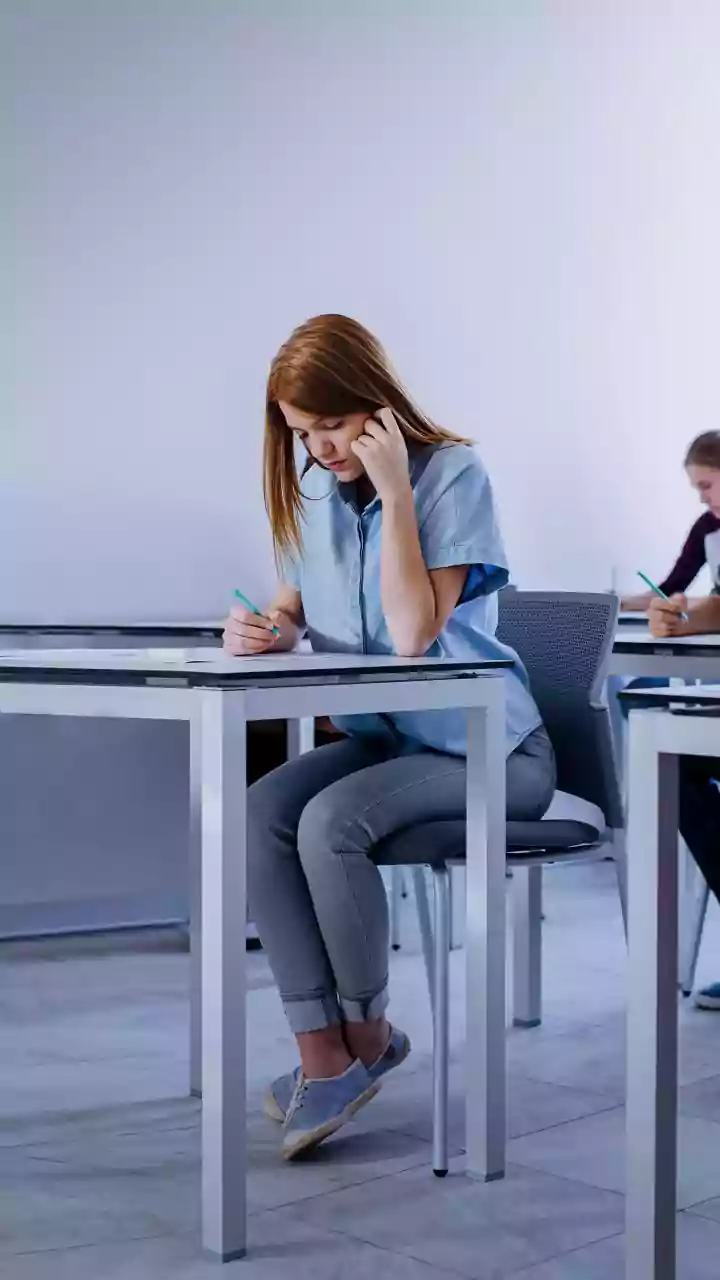



Why Yoga for Exam Stress?
Between revision schedules, social pressures, and the desire to perform well, it's easy for teenagers to feel overwhelmed. Yoga provides a powerful tool to combat this. Studies have shown that regular practice can help reduce cortisol, the body's primary
stress hormone. The combination of physical postures, controlled breathing, and mindfulness helps calm the nervous system. This not only reduces feelings of anxiety but can also lead to improved concentration and memory retention—essential skills during exam periods. It's not about achieving a perfect pose; it’s about carving out a few minutes to connect with your breath and release the tension that builds up from long hours of sitting and studying.
1. Cat-Cow Stretch (Marjaryasana-Bitilasana)
This gentle, flowing movement is perfect for waking up the spine after hours hunched over a desk. It helps relieve tension in the back, neck, and shoulders. Start on your hands and knees with your wrists directly under your shoulders and knees under your hips. As you inhale, drop your belly, lift your chest, and look forward (Cow Pose). As you exhale, round your spine toward the ceiling, tucking your chin to your chest (Cat Pose). Flow between these two poses for 1-2 minutes, letting your breath guide the movement. This simple sequence promotes a sense of calm and body awareness.
2. Child's Pose (Balasana)
Child's Pose is the ultimate restorative posture. It's a moment of complete surrender and is incredibly calming for a racing mind. Kneel on the floor, sit back on your heels, and then fold forward, resting your torso between your thighs. Let your forehead rest gently on the floor. Your arms can be stretched out in front of you or rested alongside your body with palms facing up. Breathe deeply into your back, feeling the stretch. This pose is perfect for when you're feeling overwhelmed and just need a quiet moment to reset.
3. Seated Forward Bend (Paschimottanasana)
This pose provides a deep stretch for the entire back of the body, from your heels to your neck. It’s known to calm the brain and help relieve stress and mild anxiety. Sit on the floor with your legs extended straight out in front of you. You can place a cushion under your hips for support. Inhale to lengthen your spine, and as you exhale, gently fold forward from your hips. Don’t worry about touching your toes; just let your hands rest on your shins, ankles, or feet—wherever is comfortable. Let your head hang heavy to release neck tension.
4. Bridge Pose (Setu Bandhasana)
As a gentle backbend, Bridge Pose helps to open up the chest and shoulders, countering the slouched posture that often comes with studying. It can also be energizing, making it a great option for a mid-day study break. Lie on your back with your knees bent and feet flat on the floor, hip-width apart. Press into your feet and lift your hips off the floor. You can clasp your hands together underneath your back for a deeper shoulder stretch. Hold for 30 seconds, breathing steadily, then slowly lower your spine back to the floor.
5. Legs-Up-The-Wall Pose (Viparita Karani)
This is one of the most relaxing poses in yoga and requires minimal effort. It helps to relieve tired legs and feet and promotes a state of deep relaxation. Sit with one side of your body against a wall. Gently swing your legs up the wall and lie back on the floor. Your hips should be as close to the wall as is comfortable. Rest your arms by your sides, palms facing up, and close your eyes. Stay here for 5-10 minutes. It's an excellent way to wind down before sleep, especially after a long day of mental exertion.