





The Power Duo: Ginger and Turmeric
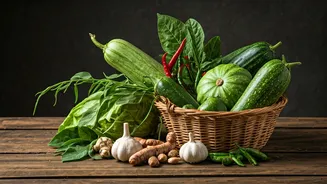
This potent combination is a cornerstone of traditional Indian wellness, especially during the rainy season. [15, 23] Ginger contains gingerol, an active compound that helps fight infections and can soothe a sore throat, which is a common complaint during this
time. [12, 15] Turmeric’s power comes from curcumin, a compound with strong anti-inflammatory and antioxidant properties that help strengthen your body against bacterial and viral attacks. [15, 18] Enjoy them together in a warm tea, or add them generously to your daily curries and soups for a comforting and protective boost. [20] For better absorption of curcumin, it is recommended to add a pinch of black pepper. [15]
Go for Gourds: Lauki, Karela, and Tori
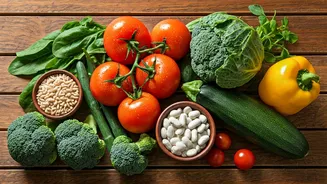
The monsoon is the peak season for a variety of gourds for good reason. Vegetables like lauki (bottle gourd), karela (bitter gourd), and tori (ridge gourd) are highly recommended by nutritionists. [27] They are generally light on the stomach and easy to digest, which is crucial as the digestive system can become sluggish during this season. [17] Lauki is rich in water content, helping you stay hydrated, and it's packed with vitamins B and C. [27, 28] Bitter gourd, despite its taste, is a powerhouse of Vitamin C and antioxidants that help regulate blood sugar and boost immunity. [22, 27] Ridge gourd is high in fibre, promoting good gut health. [26]
Seasonal Fruits: Jamun, Pomegranate, and Pears
Including seasonal fruits in your diet is a delicious way to enhance your immunity. Jamun (black plum) is an iconic monsoon fruit rich in Vitamin C and antioxidants that help shield you from colds and coughs. [2] Its antibacterial properties also promote digestive health. [2] Pomegranates are another excellent choice, packed with antioxidants that support heart health and overall immunity. [7, 8] Their tough outer skin also helps protect them from humidity-borne bacteria. [4] Pears are easy to digest, loaded with Vitamin C, and have anti-inflammatory properties that are ideal for the monsoon. [4]
The Comfort of Warm Soups and Broths
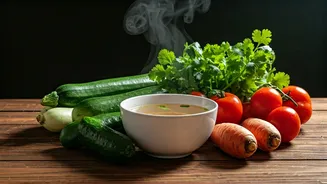
A warm bowl of soup is not just comforting on a rainy day; it's also incredibly nourishing. [30] Freshly prepared vegetable soups, chicken broths, or lentil soups are easy to digest and help keep you hydrated and energised. [10, 23] They serve as an excellent vehicle for delivering a host of immune-supporting ingredients at once. You can easily fortify your soups with garlic, ginger, turmeric, and black pepper, creating a delicious meal that actively works to strengthen your body's defences against seasonal illnesses. [19]
Probiotics for Gut Health
A healthy gut is fundamental to a strong immune system. The high humidity during the monsoon can sometimes lead to digestive issues. [11] Incorporating fermented foods into your diet helps maintain a healthy balance of gut bacteria. [6, 14] Yogurt (curd) and buttermilk (chaas) are excellent sources of probiotics. [14, 17] Opt for thin buttermilk during the day, spiced with roasted cumin and rock salt, as it is considered beneficial and easier to digest in the rainy season according to Ayurvedic principles. [17] These foods support digestion and reinforce your body’s natural defences.
Herbal Teas and Kadhas
Replacing cold drinks with warm herbal teas is a wise choice during the monsoon. [10] Traditional kadhas, or herbal decoctions, have been a part of Indian households for generations to support wellness during this season. [29] Teas made with ingredients like Tulsi (holy basil), ginger, black pepper, and cinnamon are not only comforting but also packed with immune-supporting properties. [13, 29] Tulsi is known to support the respiratory system, while ginger and pepper help fight off infections. [13, 16]