




What's New: Innovations for the Urban Gardener
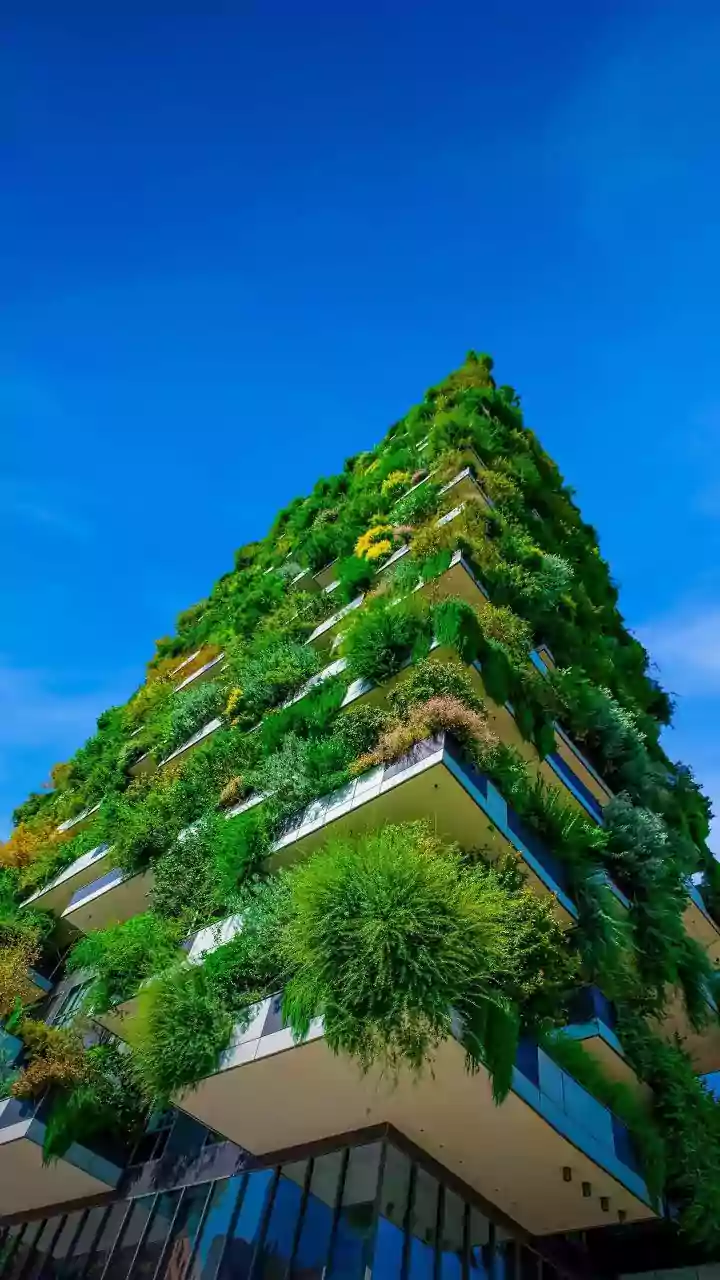
Balcony gardening in 2026 is not just about pots and soil. The biggest shift is towards space efficiency and smart technology. Vertical gardening systems are becoming increasingly popular for small Indian balconies, allowing you to grow upward. These
range from simple stacked planters and wall-mounted shelves to advanced hydroponic towers that circulate nutrient-rich water without any soil. Hydroponic kits, once a niche hobby, are now available as compact, beginner-friendly systems perfect for growing leafy greens like lettuce and spinach, and essential herbs like coriander and mint, even in limited space. These systems promise faster growth and use significantly less water, a key advantage for urban homes. Social media trends also play a role, with short videos popularising DIY vertical setups and showcasing high-yield, compact vegetable varieties, making gardening look more accessible than ever.
What Matters: The Unchanging Fundamentals
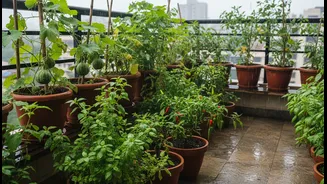
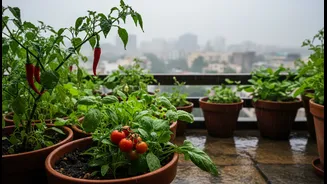
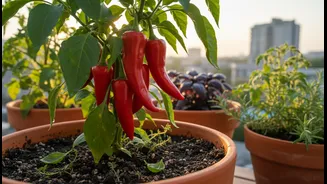
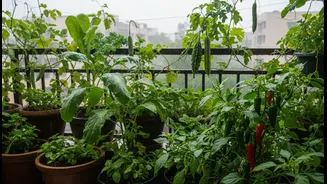
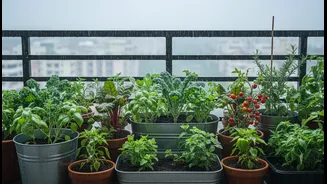
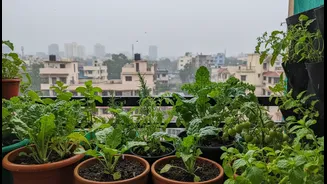
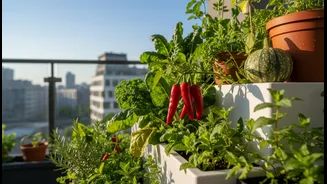
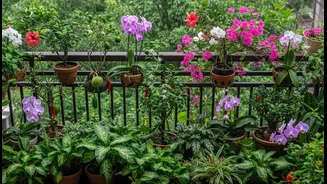
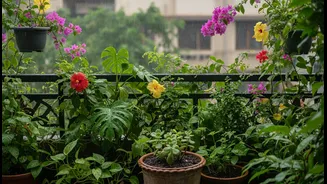
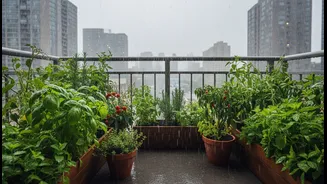
While new technology is exciting, success in the monsoon still hinges on timeless principles. The single most critical factor is drainage. The constant rain means that without clear drainage holes, pots can become waterlogged, leading to root rot, the most common cause of plant death during this season. It's crucial to check that your pots drain freely and to avoid leaving them standing in saucers filled with water. Your choice of plants is equally important. The monsoon is the ideal time for moisture-loving vegetables like gourds (lauki, karela), beans, okra (bhindi), and chillies. For flowers, hibiscus, rain lilies, and periwinkle (sadabahar) thrive in the humidity. A proper potting mix—typically a blend of soil, compost, and a material like perlite or cocopeat to keep it light and airy—is non-negotiable for healthy roots.
What Remains Unclear: The Lingering Questions
Despite advancements, some aspects of balcony gardening remain a topic of debate. One of the biggest is pest and disease management. The high humidity creates a perfect breeding ground for fungal infections and pests. While organic solutions like neem oil are widely recommended to keep edible plants safe, their effectiveness against severe infestations is sometimes debated, leading some gardeners to question when a stronger chemical intervention might be necessary. Another area of uncertainty is the true cost versus benefit of high-tech systems like hydroponics. While they offer impressive yields in a small footprint, the initial setup cost can be significant. Furthermore, the long-term maintenance, nutrient management, and electricity costs of these systems are often not fully clear to beginners. Finally, managing expectations about yield is an ongoing challenge. While it's possible to grow a surprising amount of food on a balcony, achieving self-sufficiency in vegetables remains a lofty goal for the average urban gardener with limited space and sunlight.
Monsoon Garden Care: A Practical Checklist
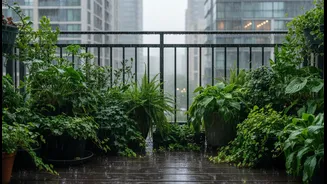
Navigating the rainy season requires a shift in your care routine. First, reduce watering. Only water when the top inch of the soil feels dry; the rain will handle the rest on most days. Second, ensure good air circulation by avoiding overcrowding your plants, which helps prevent fungal diseases. Third, be vigilant. Regularly inspect your plants for early signs of pests or disease, like white spots or yellowing leaves, and remove any affected foliage immediately. For vining plants like cucumbers or beans, providing a trellis or support helps them climb and keeps them off the wet floor. It is also wise to move very sensitive plants, like succulents, to a sheltered spot to protect them from continuous downpours.