



Why Moisture is the Enemy of Spices
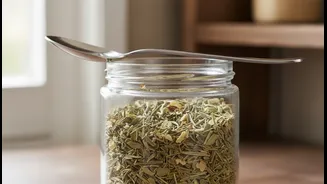
We’ve all been told not to use a wet spoon for spices or pickles, but it's often dismissed as an old wives' tale. The truth is, this advice is rooted in food science. Spices are dried to preserve them; their low moisture content makes it difficult for microbes
to grow. Introducing even a tiny amount of water—whether from a damp spoon, a wet jar, or steam from a cooking pot—disrupts this delicate balance. Spices are naturally hygroscopic, meaning they readily absorb moisture from the air. This seemingly harmless act kickstarts a chain reaction that can ruin your entire container of spice, leading to clumping, flavour loss, and even spoilage.
From Annoying Clumps to Serious Spoilage
The most immediate and obvious result of moisture is clumping. As spice particles absorb water, they stick together, forming hard lumps that are difficult to break apart and use. This is especially true for finely ground powders like garlic powder, onion powder, and amchur, which have a larger surface area to absorb moisture. While clumping is an inconvenience, the more serious issue is what you can't see. The added moisture creates a breeding ground for mould and bacteria. Spices, especially those from warm, humid climates, can sometimes carry pathogens like Salmonella. While dry spices inhibit their growth, adding water can reactivate these microbes, posing a potential health risk. Over time, mould can produce harmful substances called mycotoxins, which can cause serious health issues.
The Science of Flavour Loss
Beyond the physical changes and safety risks, moisture also sabotages the very reason we use spices: their flavour and aroma. The vibrant tastes and smells of spices come from their essential oils. Heat, light, oxygen, and moisture are the biggest enemies of these volatile compounds. Moisture accelerates the degradation of these essential oils, causing the spice to lose its potency. You might notice you need to use more and more of a clumpy spice to achieve the same flavour profile. Eventually, the spice will taste dull and faded, a shadow of its former self. A musty or sour smell is a clear sign that your spice has spoiled and should be discarded.
Best Practices for Spice Handling
Protecting your spices is simple with a few mindful habits. The golden rule is to always use a completely dry spoon. Never shake a spice jar directly over a steaming pot or pan. The steam can easily enter the container, introducing significant moisture. Instead, spoon out the required amount into a small bowl or into your hand away from the stove. If you buy spices in bulk, consider decanting a smaller amount into a working container for daily use. This protects the bulk of your supply from repeated exposure to air and potential moisture. Make sure the lids on your spice jars are always sealed tightly to prevent ambient humidity from getting in.
Smart Storage for a Flavourful Kitchen
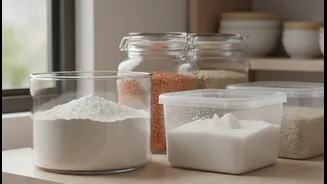
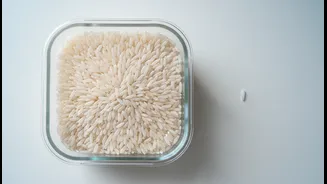
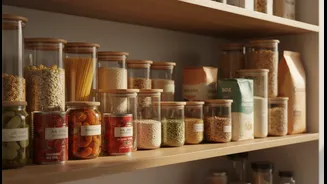
Proper storage is just as crucial as proper handling. The ideal environment for spices is a cool, dark, and dry place. Storing your masala rack next to the stove might be convenient, but the constant exposure to heat and steam will rapidly degrade your spices. A cabinet or pantry away from the stove, oven, and direct sunlight is a much better choice. Use airtight containers, preferably glass or metal, as they provide a better barrier against air and moisture and don't transfer odours. If you live in a particularly humid climate, you can place a few grains of uncooked rice or food-grade silica gel packets in your spice jars to act as a natural desiccant, absorbing any excess moisture.