




An Ancient Ingredient's Story
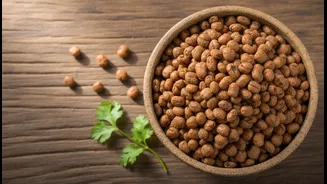
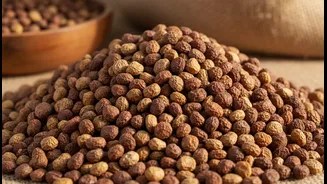
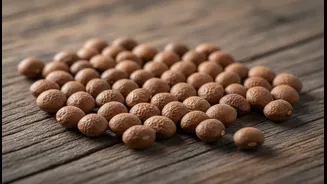
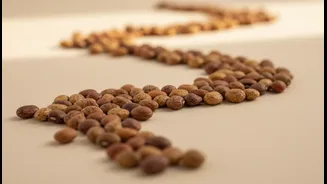
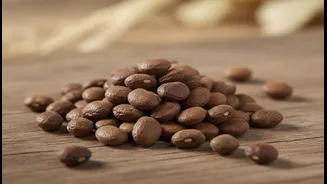
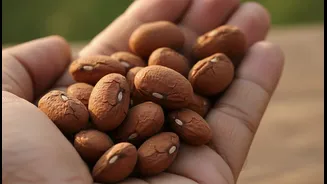
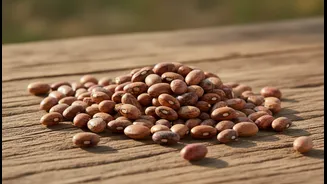
Known as Kulthi in Hindi, Kollu in Tamil, and Ulavalu in Telugu, horse gram (Macrotyloma uniflorum) has been cultivated in India for thousands of years. Despite its deep roots in our history, it was often sidelined, perceived as a 'food for the poor'
or used primarily as high-energy feed for cattle and racehorses, which is how it got its English name. This perception meant it was frequently overlooked in modern kitchens, overshadowed by more common lentils like moong or masoor. However, this humble pulse has a resilient story, thriving in dry conditions where other crops might fail.
The Superfood Renaissance
So why is this forgotten legume suddenly appearing in health blogs and on cafe menus? Horse gram's resurgence is powered by a collective shift toward wellness and a renewed interest in traditional, nutrient-rich foods. As people look for sustainable, plant-based protein sources, horse gram fits the bill perfectly. Its impressive nutritional profile has caught the attention of health-conscious consumers and chefs alike. This comeback isn't about a fleeting trend; it's about rediscovering the wisdom of our ancestors and recognising the power packed into this tiny bean. The US National Academy of Sciences has even identified it as a potential food source for the future.
A Nutritional Powerhouse
The buzz around horse gram is backed by solid nutrition. It is one of the most protein-rich lentils available, with about 22 grams of protein per 100-gram serving, making it an excellent choice for vegetarians and vegans. But its benefits don't stop there. Among all pulses, horse gram boasts the highest concentration of calcium, crucial for bone health. It's also an excellent source of iron, dietary fiber, and essential minerals. Furthermore, it is loaded with antioxidants like polyphenols and flavonoids, which help combat oxidative stress in the body.
Traditional Wisdom Meets Modern Health
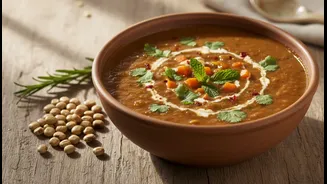
For centuries, horse gram has been a staple in Ayurvedic medicine. It's traditionally known as a 'warming' food, used to prepare soups and rasams to fight colds, coughs, and fevers. Ayurveda and folk medicine have long recommended it for its diuretic properties, believing it helps in preventing and managing kidney stones. Modern studies are now exploring these traditional claims, with research suggesting horse gram may help manage blood sugar levels due to its low glycemic index and ability to slow carbohydrate digestion. Its high fiber content also aids digestion and promotes heart health by helping manage cholesterol.
Bringing Horse Gram Into Your Kitchen
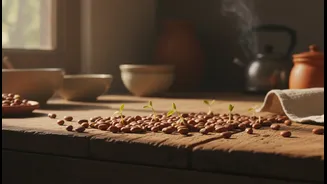
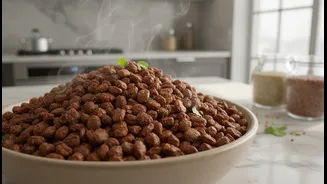
Cooking with horse gram requires a little planning, but it's well worth the effort. Because it's a tough legume, it's essential to soak the seeds overnight, or for at least 8-12 hours. This not only cuts down the cooking time but also helps in making its nutrients more easily digestible. After soaking, the gram can be pressure-cooked until soft, though it's known for retaining a pleasant, firm bite rather than turning mushy like other dals. The earthy, distinct flavour of horse gram is versatile and works well in a variety of dishes.
From Classic Rasam to Creative Salads
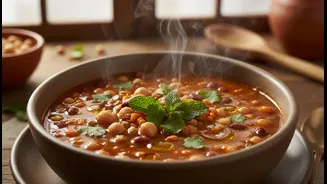
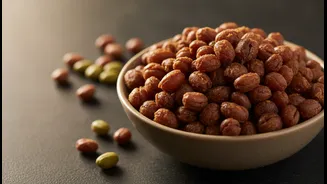
The true mark of horse gram's modern revival is its versatility. While the classic Kollu Rasam remains a comforting favourite, people are finding new and exciting ways to use it. Sprouted horse gram adds a nutritious crunch to salads and grain bowls. You can grind the roasted gram into a flour and add it to your paratha or dosa batter for a protein boost. Hearty horse gram soups make for a light but filling meal, and some even use the cooked legumes to make savoury tikkis and kebabs. You can also make a traditional 'sundal' or a simple stir-fry as a healthy snack.