







What is E20 Fuel?
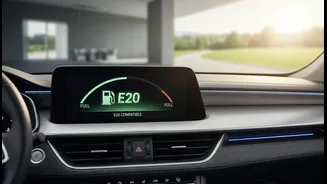
E20 fuel is a specific blend of petrol that contains 20% ethanol and 80% conventional petrol. Ethanol is a biofuel, typically produced from agricultural sources like sugarcane and maize in India. The country is progressively rolling out E20 as the standard
petrol to help reduce its reliance on imported crude oil, support the agricultural sector, and lower vehicular pollution. The government has advanced its target for a nationwide E20 rollout to 2025, making most new vehicles sold today compatible with this cleaner fuel.
The Science of Cleaner Combustion
The key to E20's emission-reducing power lies in its chemical composition. Ethanol is an 'oxygenated' fuel, meaning it contains oxygen molecules within its structure. When this blended fuel enters the engine's combustion chamber, the extra oxygen promotes a more complete and efficient burn of the petrol. This process significantly reduces the amount of harmful byproducts released through the exhaust pipe. Specifically, it cuts down on carbon monoxide (CO), a toxic gas, and unburnt hydrocarbons (HC), which are a primary component of smog. Studies have shown that using E20 can reduce carbon monoxide emissions by as much as 30% in four-wheelers and up to 50% in two-wheelers compared to unblended petrol.
Why It Matters Most in Traffic Jams
The benefits of E20 are particularly pronounced in urban traffic congestion. Stop-start driving, idling, and low-speed crawling are notoriously inefficient conditions for a petrol engine. During these moments, combustion is often incomplete, leading to a spike in CO and HC emissions. This is what contributes heavily to the thick, polluted air common in gridlocked city centres. Because E20's added oxygen aids combustion, it helps counteract this inefficiency. Even at low speeds and while idling, the fuel burns more cleanly, directly lowering the concentration of harmful pollutants being emitted from your tailpipe and those of the cars around you, contributing to better local air quality.
Are Indian Cars Ready for E20?
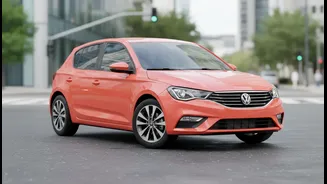
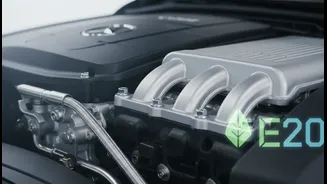
Yes, the Indian automotive industry has prepared for this transition. All new cars and many two-wheelers manufactured since April 2023 are designed to be fully E20 compatible. Major manufacturers like Maruti Suzuki, Hyundai, Tata Motors, and Mahindra have confirmed their modern vehicle lineups are E20 ready. These vehicles feature upgraded fuel lines, injectors, and engine components designed to handle the different properties of ethanol. While there have been consumer concerns, numerous automakers and recent studies from institutions like IIT Kanpur have stated that E20 does not cause engine damage, even in many older E10-compliant cars. For peace of mind, it's always best to check your vehicle's user manual or the manufacturer's official website for its E20 compatibility status.
The Trade-Off: Fuel Efficiency vs. Cleaner Air
While E20 provides clear emission benefits, it does come with a widely discussed trade-off: a slight decrease in fuel efficiency. Ethanol has a lower energy density than petrol, which means your vehicle may consume slightly more fuel to travel the same distance. The government and industry experts estimate this drop in mileage to be between 3% and 6% for most vehicles. However, many argue this is a small price to pay for the significant public health and environmental benefits of reduced air pollution, not to mention enhanced national energy security. For modern E20-tuned engines, this efficiency loss is minimized through optimized calibration and design.