




1. Suit Up: Your Armour Against the Elements
The difference between a miserable, soaking wet ride and a thrilling one often comes down to gear. A proper waterproof jacket and pants are non-negotiable. Don’t fall for cheap 'windcheaters'; invest in a set with sealed seams that will actually keep
you dry. Just as important is your helmet. A clean, scratch-free visor is essential for visibility. Use an anti-fog spray or a pin-lock insert to prevent it from steaming up from your breath—a common and dangerous issue. Finally, consider waterproof boots or shoe covers. Riding with drenched socks isn’t just uncomfortable; it’s a recipe for a cold and a distraction you don’t need.
2. Prep Your Steed for the Wet
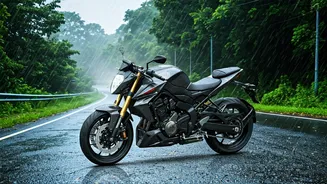
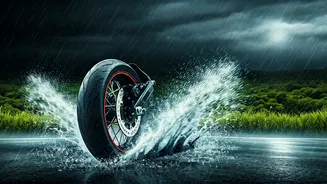
Your motorcycle or scooter needs a little monsoon-proofing too. Before the rains set in, get your vehicle serviced. Pay special attention to three things: tyres, brakes, and electricals. Good tyre tread is crucial for gripping wet roads. If your tyres are balding, replace them. It’s the single most important safety upgrade you can make. Check your brakes to ensure they are sharp and responsive, as you'll need more stopping distance on slippery surfaces. Cover any exposed wiring with electrical tape to prevent short circuits, and ensure your headlights and indicators are working perfectly. A well-prepared bike is a reliable companion in the adventure.
3. Master the Art of 'Slow is Fast'
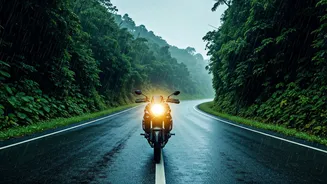
The rules of the road change dramatically in the rain. Your first and most important adjustment should be your speed. Slow down. It gives you more time to react, more distance to brake, and a better chance of spotting hazards. Be extra cautious of road markings, manhole covers, and oily patches, especially near traffic signals. These surfaces become incredibly slick when wet. When cornering, be smooth and gentle with your inputs. Avoid sudden braking or sharp turns. Remember the mantra of every seasoned monsoon rider: ride as if you have an egg between your hand and the throttle.
4. Play the Pothole-Dodging Game
In India, monsoons and potholes are a package deal. What was a small crack yesterday is a crater today, often hidden under a deceptively calm puddle of water. This is the most dangerous part of monsoon riding. Never ride through standing water if you can’t gauge its depth. A hidden, open manhole or a deep pothole can lead to a serious accident. Keep your eyes scanning the road far ahead, watch the vehicles in front of you to see how they navigate the surface, and try to stick to the tyre tracks of larger vehicles where the road is likely more stable. It’s a frustrating game, but winning it is essential.
5. Find Joy in the Journey
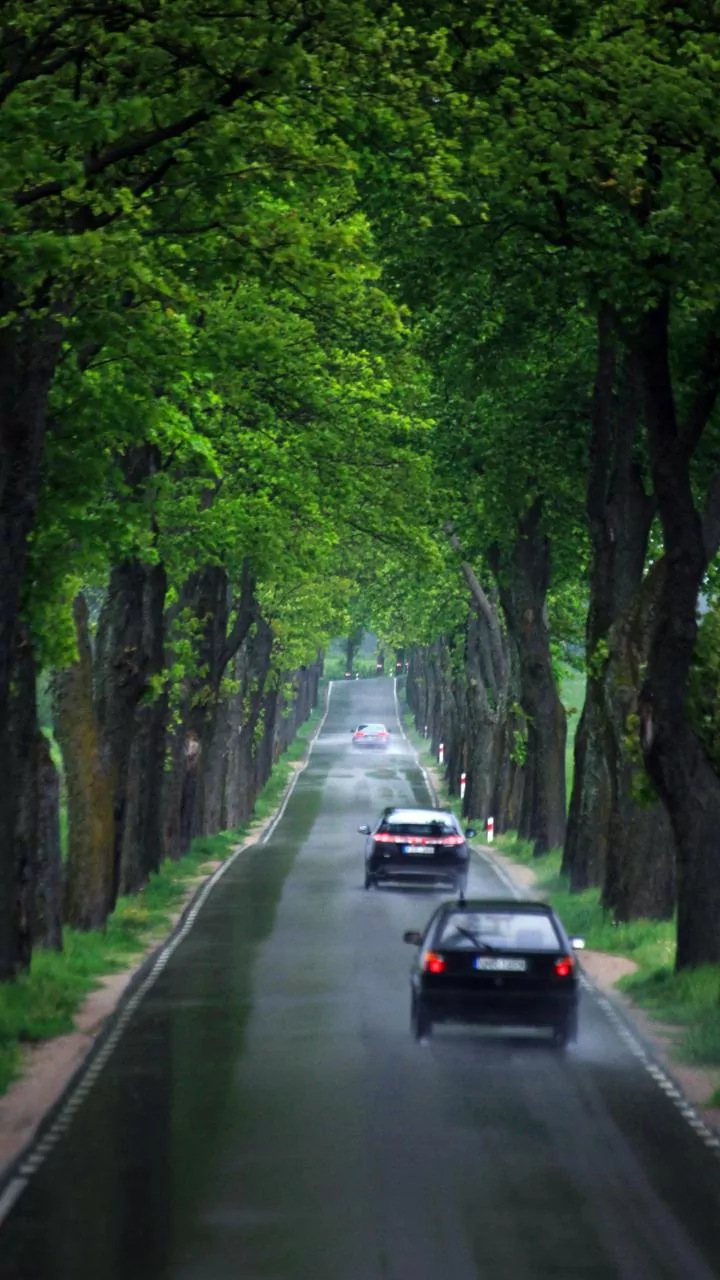
Once you’ve taken all the precautions, it’s time to embrace the actual experience. There’s a unique magic to riding through a rain-washed city. The air is clean, the dust has settled, and the world looks fresh and green. It’s a sensory experience—the rhythmic drumming of rain on your helmet, the splash from your tyres, the cool spray on your face. Instead of rushing to your destination, allow yourself to enjoy this temporary transformation of your daily commute. This change in mindset is key. It’s not an obstacle course; it's a new landscape to explore.
6. The All-Important Post-Ride Ritual
The adventure doesn’t end when you park your bike. The post-ride ritual is just as crucial. Peeling off your damp gear and stepping into dry clothes is one of life’s simple, immense pleasures. But the true finale is a steaming cup of adrak chai and a plate of hot pakoras or bhajiyas. It’s the unofficial reward for every successful monsoon ride, a tradition that warms you up from the inside out. It’s the perfect, delicious conclusion to your adventure, reinforcing that with a little preparation, the monsoon isn’t something to be endured, but something to be celebrated.