







Beyond the Four Walls
Creating a healthy home is a holistic endeavor that extends far beyond decluttering and air purifiers. While a clean and organized interior is important, the environment surrounding your home—the street, the neighborhood, the very air you breathe when
you step outside—plays an equally critical role in your physical and mental well-being. This broader perspective considers your home not as an isolated box, but as part of a larger ecosystem. The design of our communities, from the width of the sidewalks to the presence of a local park, directly influences our daily habits, stress levels, and even our social lives. Understanding these external factors is the first step toward building a truly healthier life.
The Power of Greenery
Access to green space is one of the most powerful predictors of neighborhood health. Studies consistently show that living near parks, tree-lined streets, and community gardens has a measurable positive effect on our well-being. Visually, greenery is calming, helping to lower stress and improve mood. But the benefits are more than just aesthetic. Green spaces encourage physical activity, from a casual stroll to a weekend jog, which is essential for cardiovascular health. They also serve as natural air filters, improving air quality, and help reduce the urban heat island effect, making walks more pleasant and safe, especially during warmer months. Even having a view of nature from your window can contribute to lower stress levels and better cognitive function.
Walkability Is a Health Indicator
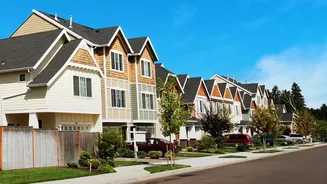
There's a reason urban planners are obsessed with 'walkability.' A walkable neighborhood, where you can easily access shops, schools, and amenities on foot, is a cornerstone of a healthy lifestyle. When walking is the most convenient option, it naturally integrates physical activity into your daily routine, reducing reliance on cars. Residents of walkable neighborhoods tend to have lower rates of obesity and chronic diseases like hypertension and diabetes. But the benefits are also social. More people on the streets fosters a stronger sense of community and provides more opportunities for spontaneous social interactions. Streets designed for people, not just cars, are where neighbors meet and community bonds are formed. Research has even shown that residents of light-traffic streets report having significantly more local friends than those living on heavy-traffic streets.
The Unseen Stress of Noise and Air
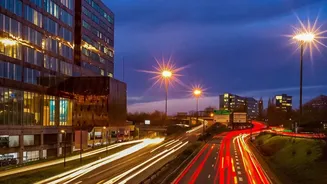
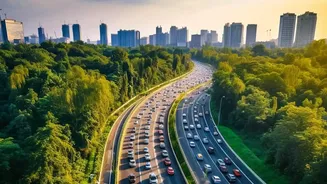
What you can't see or hear clearly can also impact your health. Homes located near major roads are often exposed to higher levels of air and noise pollution. Chronic exposure to traffic-related air pollution can have significant effects on respiratory health. Similarly, the constant hum of traffic noise is not just an annoyance; it's a genuine environmental stressor. It can disrupt sleep, increase stress hormones like cortisol, and negatively impact your overall comfort and peace at home. In fact, studies have shown that high levels of traffic noise can even decrease property values, because buyers inherently understand that a quiet environment is a key component of a healthy, desirable home.
The Social Fabric of Your Street
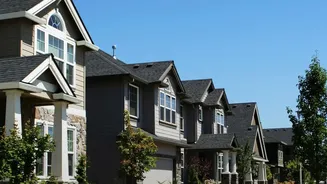
The way a street is designed can either encourage or discourage social connection. Elements like front porches, wide sidewalks, and shared public spaces create natural opportunities for neighbors to interact. This sense of community and belonging is a vital, though often overlooked, aspect of public health. Knowing you have a support network close by can reduce feelings of loneliness and isolation. Neighborhoods that facilitate these connections are often more resilient and supportive. It’s about creating 'sharable places' that build community resilience and improve the collective quality of life for everyone who lives there.