




The Soul of the Puja Feast
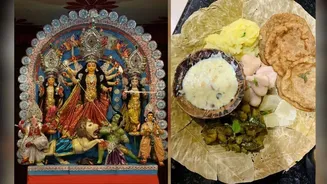
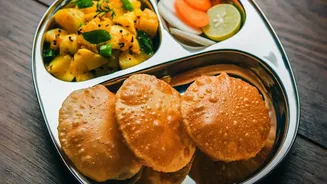
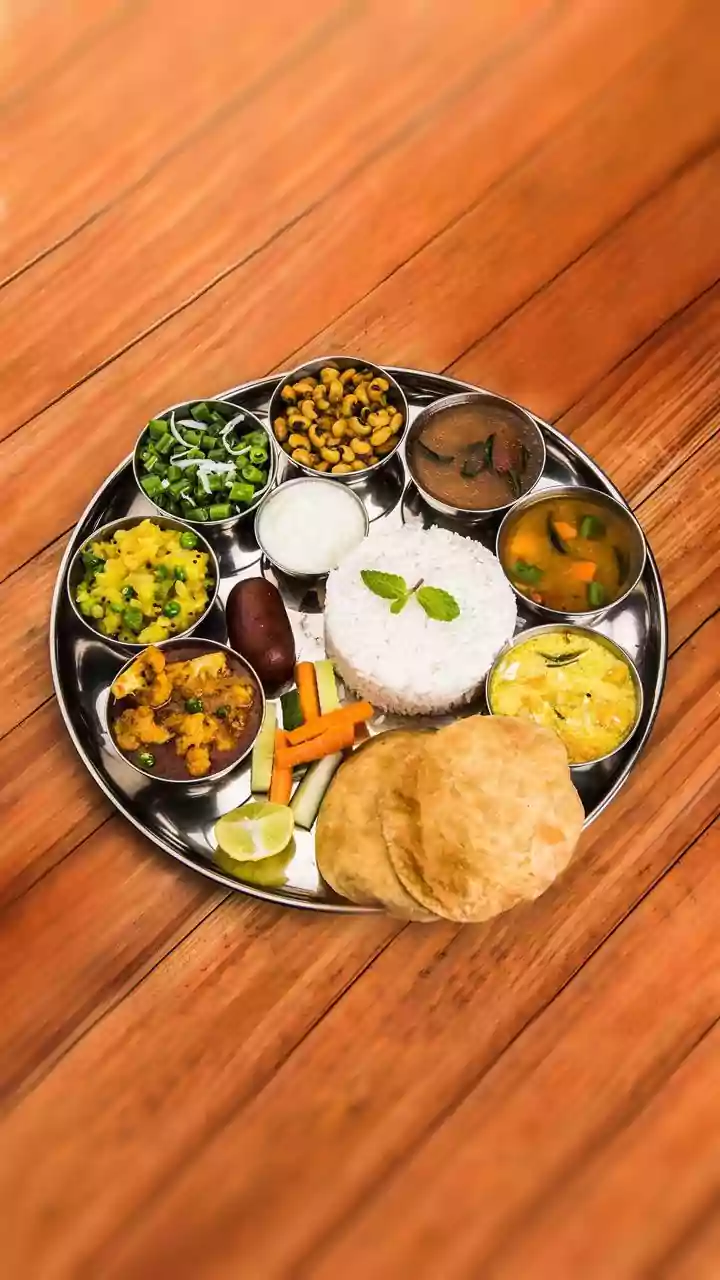
At the heart of every Durga Puja celebration is the 'bhog'—a sacred food offering made to the Goddess before being shared with devotees. This meal is more than just food; it's a symbol of community, devotion, and tradition, prepared without any onion
or garlic. The undisputed stars of this divine platter are Bhoger Khichuri, a soul-warming rice and lentil dish, and Labra, a unique mixed vegetable medley. While it may seem daunting, preparing this authentic meal at home is simpler than you think and a wonderful way to immerse yourself in the festive spirit.
Bhoger Khichuri: The Golden Delight
What makes Bhoger Khichuri so special is its unique aroma and flavour profile. The secret lies in two key steps: dry-roasting the Sona Moong Dal until it releases a nutty fragrance and using a special short-grain aromatic rice called Gobindobhog. This rice variety, native to West Bengal, is known for its buttery aroma and slightly sticky texture, which gives the khichuri its signature consistency. The dish is slow-cooked with vegetables like potatoes and cauliflower, and tempered with whole spices and a generous amount of ghee.
Ingredients for Bhoger Khichuri
To serve approximately four people, you will need: 1 cup of Gobindobhog rice (or any short-grain fragrant rice), 1 cup of Sona Moong Dal, 1 large potato cut into cubes, 1 small cauliflower cut into florets, 1/2 cup of green peas, 1-2 bay leaves, 1-inch cinnamon stick, 2-3 green cardamoms, 2-3 cloves, 1 tsp cumin seeds, 1 tbsp ginger paste, 1 tsp turmeric powder, salt and sugar to taste, 3-4 tbsp of mustard oil, and 2-3 tbsp of ghee. You can also add chopped coconut pieces for extra texture.
Making the Khichuri: A Step-by-Step Guide
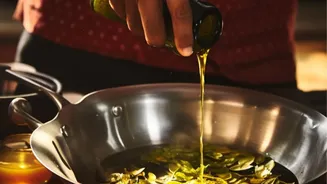
First, dry roast the moong dal in a heavy-bottomed pan on low heat until it turns light brown and aromatic. Set it aside. Wash the roasted dal and rice together. Now, heat mustard oil in a large pot. Fry the potato cubes and cauliflower florets until they are golden brown, then remove them and keep them aside. In the same oil, temper with bay leaves, dried red chillies (optional), cumin seeds, and whole garam masala (cinnamon, cardamom, cloves). Once they splutter, add the ginger paste and sauté for a minute. Add the washed rice and dal mixture, turmeric powder, and salt. Sauté for a couple of minutes before pouring in about 4-5 cups of hot water. Bring to a boil, then add the fried vegetables and green peas. Cover and cook on low heat, stirring occasionally, until the rice and dal are soft and have a thick, porridge-like consistency. Finish by stirring in sugar, garam masala powder, and a generous spoonful of ghee.
Labra: The Perfect Vegetable Medley
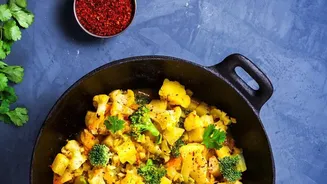
Labra is not just any mixed vegetable curry; it's a specific Bengali preparation where various vegetables are cooked together yet retain some of their individual identity. The key to an authentic Labra is the use of 'Panch Phoron', a Bengali five-spice blend consisting of fenugreek seeds, nigella seeds, cumin seeds, mustard seeds, and fennel seeds. Traditionally, a mix of seasonal vegetables like pumpkin, brinjal, radish, sweet potato, and beans are used. The pumpkin is essential as it breaks down partially, creating a naturally thick and sweet gravy that binds all the vegetables together.
Ingredients and Method for Labra
For the Labra, you'll need a mix of about 500-700g of vegetables, such as pumpkin, potato, brinjal, radish, and flat beans, all cut into medium-sized pieces. You'll also need: 2-3 tbsp mustard oil, 1 tsp Panch Phoron, 2 bay leaves, 2 dried red chillies, 1 tbsp ginger paste, 1 tsp turmeric powder, salt and sugar to taste. Heat mustard oil in a pan until it's smoking slightly. Add the bay leaves and dried red chillies, followed by the Panch Phoron. Once the spices crackle, add the ginger paste. Then, add the harder vegetables like potatoes and radish first, and sauté for a few minutes. Next, add the softer vegetables like pumpkin and brinjal. Add turmeric, salt, and a pinch of sugar. The crucial rule for a good Labra is to not add any water; cover the pan and let the vegetables cook in their own juices on a low flame. Stir occasionally. The dish is ready when the vegetables are tender and come together in a semi-mashed consistency.