


The Search For Authentic Flavours
The modern Indian diner is more curious and adventurous than ever. With exposure to global trends and a growing desire to connect with their own country's diverse heritage, many are looking past mainstream restaurant menus. They are seeking unique, regional,
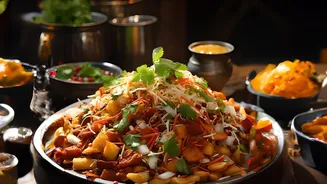
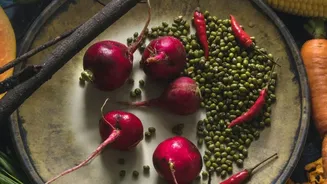
and honest food experiences that tell a story. This has created a demand for cuisines that were previously confined to specific communities or regions, particularly the complex, earthy, and nutrient-rich foods of India’s tribal communities. These are flavours you won't find in a typical commercial eatery—dishes rooted in centuries of tradition, using local ingredients and time-honoured cooking methods.
Enter the Micro-Cloud Kitchen
This is where the micro-cloud kitchen model comes in. A cloud kitchen, also known as a ghost or virtual kitchen, is a delivery-only food business with no physical dining space. This model drastically reduces the high costs associated with rent, interiors, and front-of-house staff, which are major barriers for traditional restaurants. The 'micro' aspect often refers to even smaller, home-based operations run by individual chefs or small teams. This low-investment, high-flexibility model empowers home chefs and culinary entrepreneurs to launch a business, often from their own homes, reaching thousands of customers through delivery apps like Swiggy and Zomato.
A Taste of Tradition, Delivered
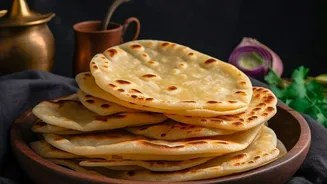
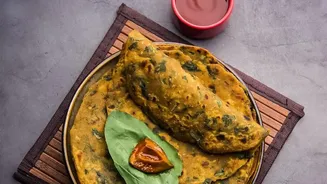
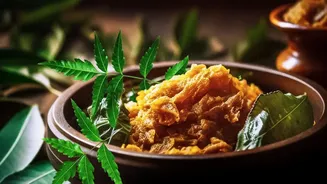
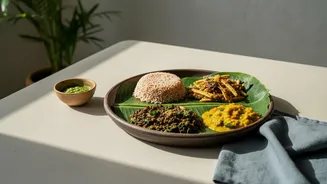
Across India's metros, home chefs are using this model to bring their heritage to a wider audience. In Delhi, a cloud kitchen called Rosei Ghara is introducing diners to the subtle and wholesome flavours of Odia cuisine, including traditional recipes like slow-cooked Bamboo Mutton. In other cities, chefs from Nagaland are delivering authentic smoked pork and fiery chutneys, sourcing spices directly from their home state to maintain authenticity. These kitchens serve dishes like Jharkhand's 'patra pitha' (pancakes steamed in pots) or millet-based rotis from Chhattisgarh, foods that are deeply intertwined with the cultural identity of communities like the Santhal, Oraon, and Warli tribes. This trend allows for the exploration of hyper-regional ingredients, from fermented bamboo shoots to a variety of wild greens and millets, that rarely feature in commercial menus.
More Than Just a Meal
The rise of these micro-kitchens is about more than just food; it's a powerful force for cultural and economic change. For chefs from tribal and regional communities, it’s a platform for economic empowerment, allowing them to earn a livelihood by sharing their culinary skills without massive capital investment. Many of these enterprises are run by women, providing them with financial independence. Furthermore, it plays a crucial role in cultural preservation. By popularising these dishes, the chefs are safeguarding recipes and food traditions that might otherwise be lost as younger generations migrate to cities. Every order becomes an opportunity to share a piece of their heritage with a new audience.
Challenges on the Digital Frontier
The path for these micro-entrepreneurs isn't without its hurdles. The digital marketplace is incredibly crowded, making it difficult to stand out amidst thousands of other brands. Marketing, maintaining consistent quality, and managing the logistics of sourcing rare or specific ingredients from remote villages can be significant challenges. Success depends not just on culinary skill, but also on smart branding, customer retention, and navigating the high commission fees charged by delivery platforms. However, the growing appetite for unique and authentic food suggests that for those who get it right, the rewards are substantial.