





The Allure of the Underground World
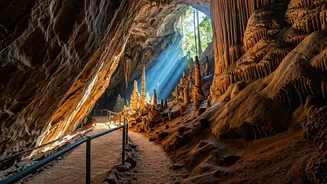
Caving, or spelunking, holds a special fascination. It’s an opportunity to step into a hidden realm of otherworldly rock formations, echoing chambers, and silent, subterranean rivers. For many, it's the last frontier of exploration on Earth. The thrill
comes from navigating a challenging environment, witnessing geological wonders millions of years in the making, and experiencing a profound sense of discovery. In India, with magnificent cave systems in states like Meghalaya, Uttarakhand, and Andhra Pradesh, the temptation to explore these natural wonders is strong, especially when the weather outside is dramatic and atmospheric.
When 'Exciting' Becomes Deadly
The headline's claim is dangerously misleading. In the world of caving, rain is the ultimate red flag. A gentle shower on the surface can translate into a catastrophic flash flood underground. Cave systems act as natural drainage funnels for the surrounding landscape. Rainwater seeps through soil and rock, collecting into streams that feed into the cave. What was a dry passage can become a raging torrent in minutes, not hours. The world watched this play out in 2018 during the Tham Luang cave rescue in Thailand, where a junior football team was trapped for 18 days after a sudden monsoon downpour flooded the cave complex, blocking their exit. This is not a rare or freak event; it is the predictable outcome of mixing caving with rain.
The Hidden Dangers: More Than Just Water
Drowning in a flash flood is the most obvious risk, but it’s far from the only one. Even a small rise in water levels can create a ‘sump’—a passage completely submerged in water. Without specialised diving equipment and training, a sump is an impassable and deadly barrier, trapping you inside. Furthermore, the influx of cold rainwater can rapidly lead to hypothermia, a life-threatening condition where your body loses heat faster than it can produce it. Wet ropes become heavy and difficult to handle, and slick, muddy surfaces dramatically increase the risk of a fall. The water can also destabilise loose rocks and sediment, increasing the chances of rockfalls or small collapses.
Why Your Experience Level Doesn't Matter
It’s easy to assume that danger only applies to novices. This is a fatal mistake. Even the most experienced cavers and geologists are powerless against the physics of water flow. A cave system's hydrology can be incredibly complex and unpredictable. Water can appear from ceiling cracks, side passages, or seemingly solid floors. The forecast on the surface can also be deceptive; a storm miles away in the cave’s catchment area can send a flood pulse through the system with no warning at the cave entrance. No amount of experience can stop a passage from flooding or a sump from forming. The only winning move is not to play. Professional caving organisations across the globe are unanimous: if rain is in the forecast, stay out.
The Golden Rules of Safe Caving
True adventure is about pushing your limits safely, not recklessly. Caving can be a rewarding and relatively safe activity if you follow strict rules. First and foremost, check the weather forecast for the entire region, not just the immediate area of the cave, and cancel if there is any chance of rain. Never go alone; always cave in a small, competent group. Inform someone on the outside of your exact plans, including which cave you are entering and your expected time of return. Wear appropriate gear, including a helmet, multiple light sources with backup batteries, and sturdy footwear. If you are a beginner, your first several trips should be with a certified guide or a recognised caving club. They can teach you the skills and etiquette needed to explore safely and responsibly.