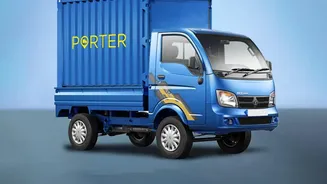







The next wave of India's economic growth is being written in its small towns. As e-commerce and quick commerce platforms expand beyond the metros, they are creating a hiring boom where one skill is proving unexpectedly crucial: local language fluency.
The New Epicentre of E-Commerce
For years, India's e-commerce story was a tale of big cities. Now, the plot has shifted. The real action is unfolding in Tier-2 and Tier-3 cities like Jaipur, Lucknow, Nagpur, Coimbatore, and Patna. Propelled by rising disposable incomes and deep internet penetration, these regions are witnessing explosive growth in online shopping. Companies in e-commerce, and particularly the rapidly growing quick commerce sector, are aggressively expanding their operations to meet this new demand. This expansion has made smaller cities the new engine of hiring for the sector, with job growth in these areas often outpacing the metros. Staffing firms report that the share of festive hiring in Tier-2 and Tier-3 markets has grown significantly, accounting for over half of new temporary jobs in recent years.
Why Local Language Is the Key
As companies push deeper into India's diverse landscape, they are discovering that English is not enough. The key to unlocking these markets lies in hyperlocal service, and that begins with communication. For delivery partners, knowing the local language is critical for everything from confirming an address with a customer to navigating neighbourhoods that may not be perfectly mapped online. It builds a layer of trust and comfort for consumers who are new to online shopping. This isn't just about last-mile delivery. Job postings for customer support, tele-calling, and even sales and merchant onboarding roles increasingly list proficiency in regional languages like Hindi, Tamil, Telugu, or Kannada as a significant advantage or a core requirement. Companies understand that to truly serve a local market, they need to speak its language, both literally and figuratively.
A Surge in 'New Collar' Jobs
The demand for a digitally-savvy workforce that is also rooted in local culture is creating a host of 'new collar' opportunities. The most visible of these are the delivery executives, who form the backbone of the quick commerce promise of 10-to-20 minute deliveries. Projections indicate a massive surge in hiring for these roles, with the quick commerce sector alone expected to create hundreds of thousands of new jobs. Beyond the delivery fleet, this boom extends to a wide range of logistics and operational roles: warehouse associates, inventory controllers, dispatch coordinators, and field operations managers. These jobs often provide a stable entry point into the formal economy for individuals without advanced degrees, offering on-the-job training and clear paths for career progression.
The Broader Economic Ripple Effect
This hiring spurt does more than just provide jobs; it fuels local economies. The rise of the gig economy in smaller towns offers flexible income opportunities, allowing individuals to supplement their earnings or find full-time platformer work. While there can be a pay disparity compared to major metros, the gap is narrowing, and the lower cost of living in smaller cities often means higher net savings for workers. The expansion of logistics networks also benefits local small businesses and artisans, giving them access to a national market through e commerce platforms. This digital integration is creating a more balanced and inclusive economic growth model, moving beyond the traditional concentration of opportunities in a handful of large cities.