

Ranthambore, Rajasthan: Tigers Amidst History
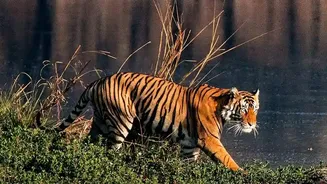
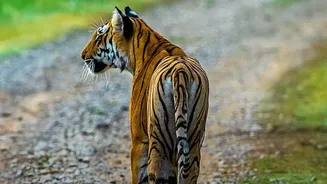
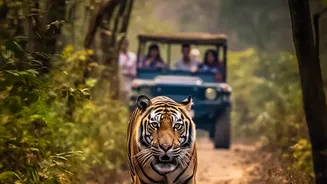
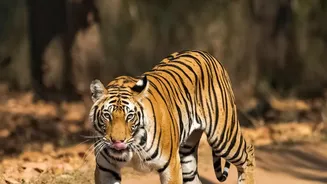
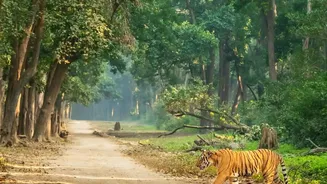
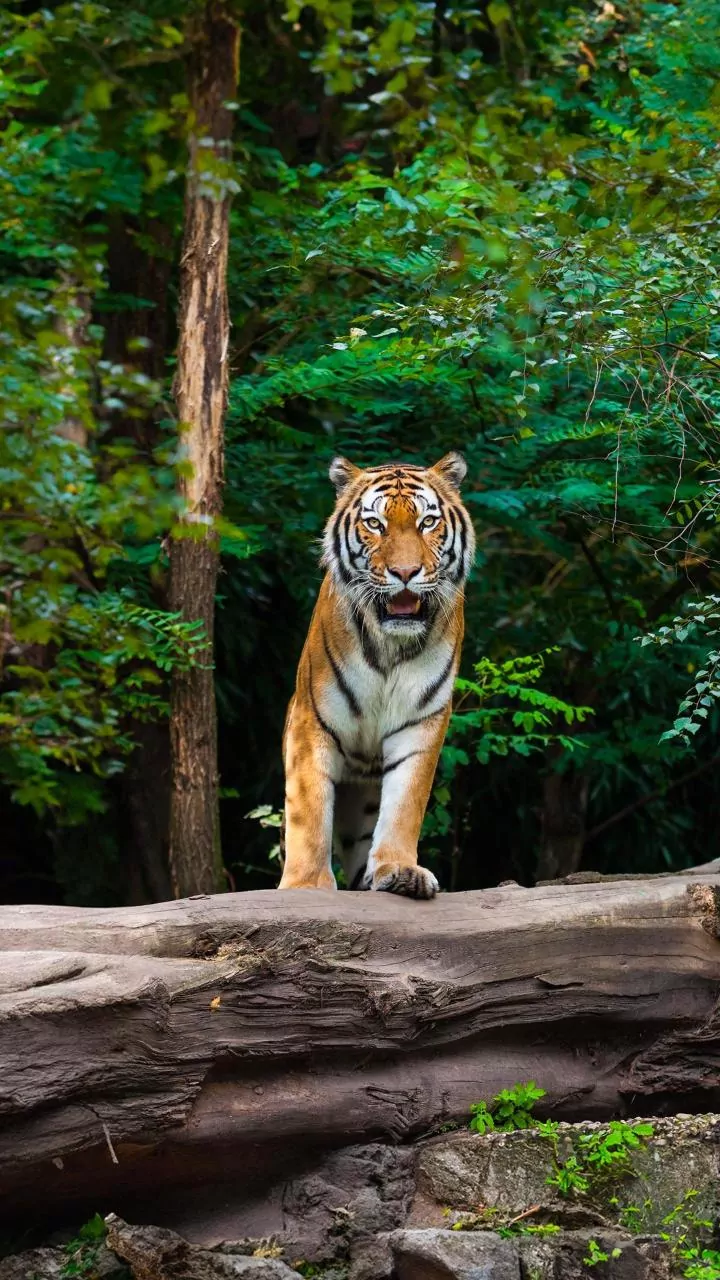
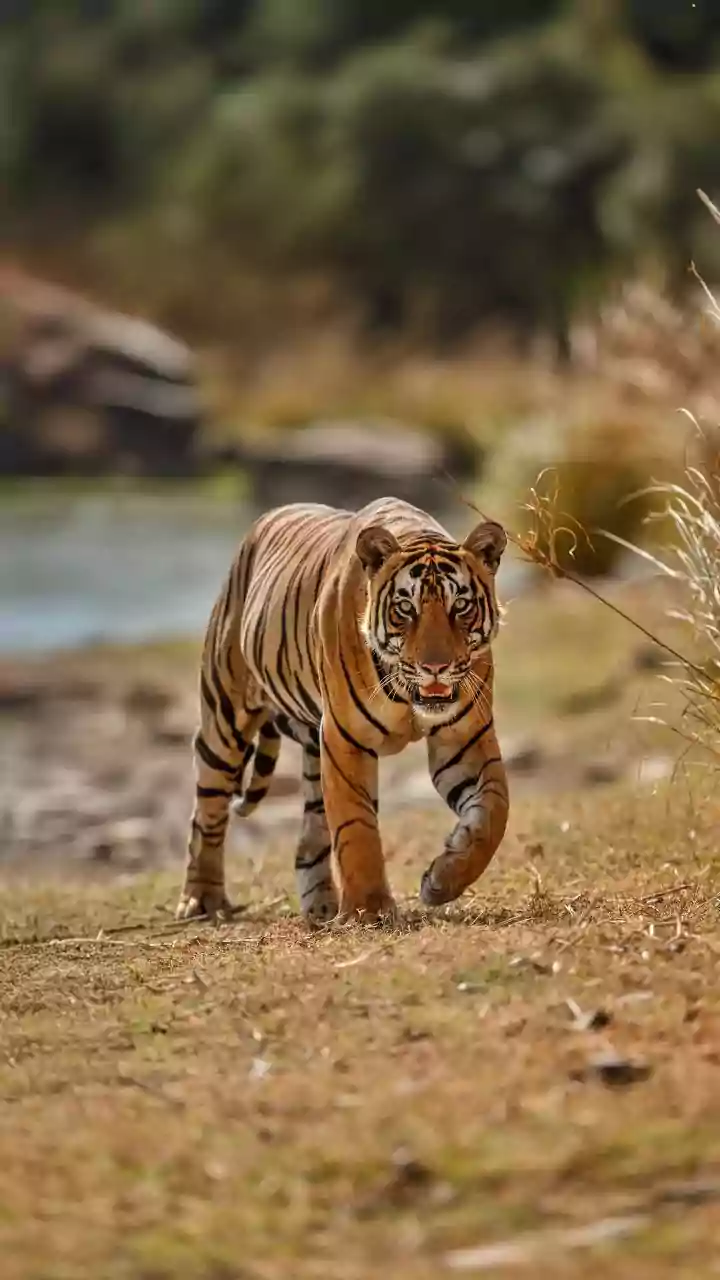
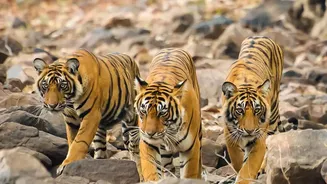
Ranthambore National Park offers one of India's most iconic wildlife experiences: spotting Royal Bengal Tigers. In winter, the dry deciduous forest thins out, and the pleasant weather means tigers are often seen basking in the sun during the day. The
park's landscape, dotted with ancient ruins and the formidable Ranthambore Fort, provides a stunning backdrop for photography. Morning safaris are particularly atmospheric, with mist hanging over the park's many lakes. While summer is considered peak season for sightings near waterholes, winter offers comfortable safari conditions and excellent opportunities to see tigers on the move. Beyond tigers, the park is home to leopards, sloth bears, and a large population of sambar deer.
Kaziranga, Assam: Land of the Giants
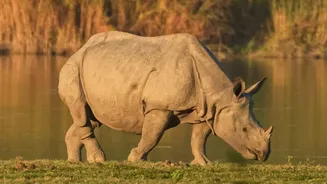
For a completely different landscape, head to the floodplains of Assam. Kaziranga National Park, a UNESCO World Heritage Site, is the best place in the world to see the greater one-horned rhinoceros. During the dry winter months of November to April, the tall elephant grass is cut back or dries out, making rhino sightings almost guaranteed. The park is home to over 2,600 rhinos, and the Western (Bagori) and Central (Kohora) ranges are known for high rhino density. Winter safaris, either by jeep or on elephant-back, also offer chances to see herds of wild elephants, wild water buffalo, and swamp deer against the backdrop of vast wetlands. The park is also a haven for birdwatchers in winter, with many migratory species present.
Keoladeo, Rajasthan: A Paradise for Birds
Formerly known as Bharatpur Bird Sanctuary, Keoladeo National Park is a world-renowned haven for avian life, especially in winter. This UNESCO World Heritage site becomes a bustling hub for thousands of migratory birds fleeing the harsh winters of Siberia, Central Asia, and Europe. From October to February, the park's wetlands are filled with an incredible diversity of ducks, geese, eagles, and waders. The park is best explored not by jeep, but on foot, by bicycle, or with a cycle-rickshaw guide who can point out different species. Highlights include seeing the majestic Sarus Crane, the world's tallest flying bird, and flocks of bar-headed geese. It is a remarkably peaceful and immersive experience for anyone interested in birdwatching.
Jim Corbett, Uttarakhand: The Classic Forest Safari
As India's oldest national park, Jim Corbett offers a quintessential winter safari experience in the Himalayan foothills. The season, from November to February, is marked by misty mornings, crisp air, and pleasant days perfect for exploring the diverse landscape of sal forests and grasslands. While Corbett is famous for its tiger population, sightings can be elusive. However, the winter season provides clearer visibility through the foliage. It's also an excellent time for birdwatching, as many migratory species arrive. You can also expect to see Asiatic elephants, various species of deer, and perhaps a leopard. The cool, comfortable weather makes both morning and evening safaris an enjoyable and atmospheric experience.
Hemis, Ladakh: The Quest for the Grey Ghost
For the truly adventurous, winter in Hemis National Park offers a wildlife experience unlike any other: the chance to track the elusive snow leopard. Known as the 'Ghost of the Mountains', these cats descend to lower altitudes during the cold months in search of prey like blue sheep, increasing the chances of a sighting. This is not a comfortable jeep safari; it is a high-altitude trek in sub-zero temperatures that requires patience and physical fitness. Trekkers, led by experienced guides and spotters, spend days scanning the stark, frozen landscape of the Rumbak Valley. While demanding, the reward of seeing a snow leopard in its raw, natural habitat is considered one of the ultimate wildlife encounters on the planet.