
Know the Trail Before You Go
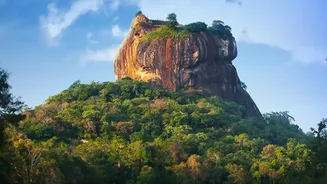
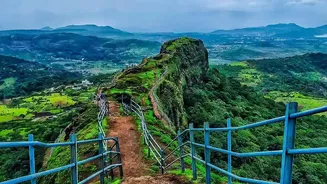
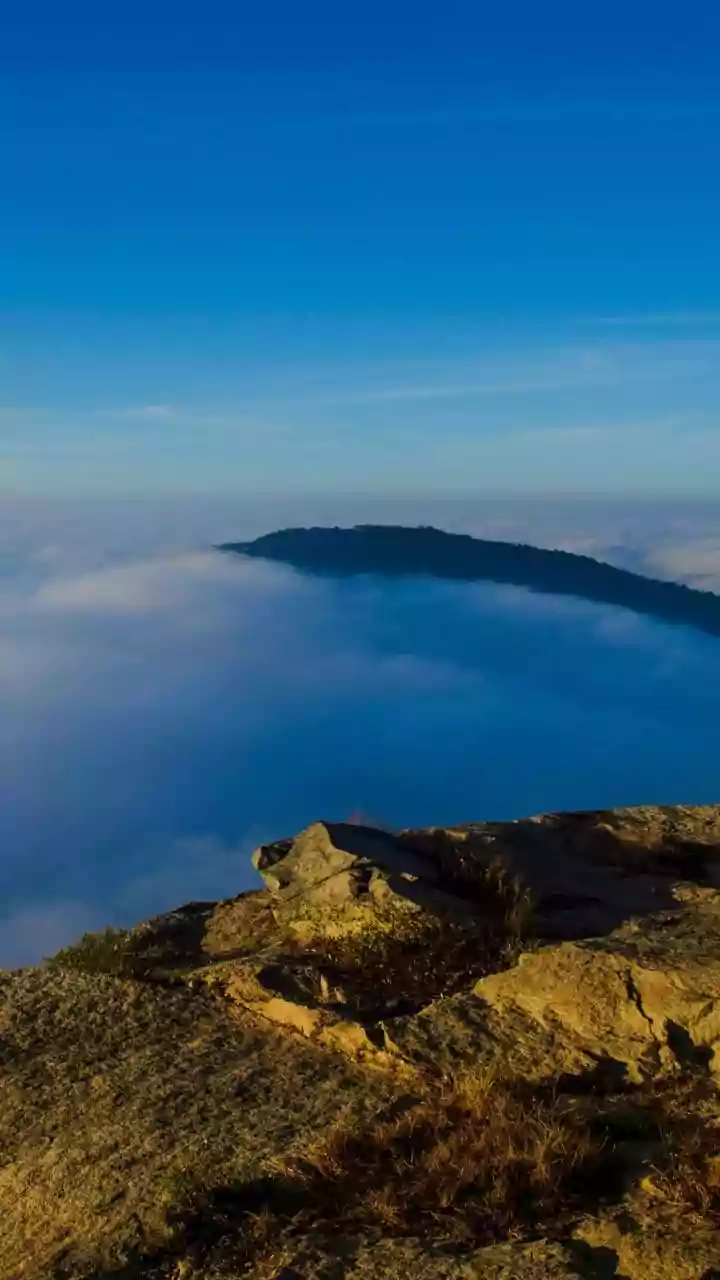
Savandurga consists of two hills: Karigudda (the black hill) and Biligudda (the white hill). The publicly accessible and more popular trail is Biligudda, which starts near the Sri Lakshmi Narasimhaswamy temple. This trail is not a technical rock-climbing
route but involves ascending a steep, monolithic rock face with inclinations that can be challenging. The path is marked with painted arrows and follows electrical poles for guidance. The Karigudda trail is much steeper, requires climbing skills, and is generally not recommended without official permission and proper equipment. Understanding this distinction is key to a safe trek.
Build Your Physical Stamina
Don't underestimate the physical demand of this trek. While the total distance is only about 5-6 km, the ascent is steep and sustained, testing your endurance and leg strength. Incorporate cardiovascular exercises like jogging, cycling, or brisk walking into your routine to build stamina. Focus on strengthening your lower body with exercises like squats, lunges, and calf raises. A strong core will also help with balance on the uneven surfaces. The descent can be tougher on your knees than the climb, so good fitness is crucial for the entire journey.
Gear Up for Grip and Safety
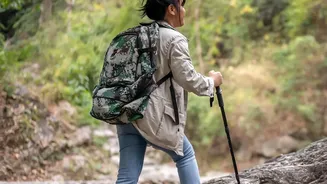
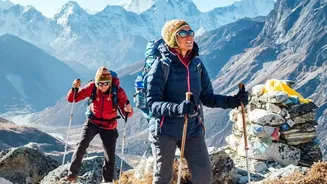
Your most important piece of gear is your footwear. Standard sports shoes will not suffice; you need trekking shoes with excellent grip to securely navigate the smooth, and at times slippery, rock surface. There are no water sources on the trail, so carrying at least two to three litres of water per person is mandatory to stay hydrated, especially since the rock radiates heat. Pack light, but include essentials like energy bars, a basic first-aid kit, sunscreen, a hat, and sunglasses. A lightweight backpack will keep your hands free for balance.
Master the Ascent and Descent Technique
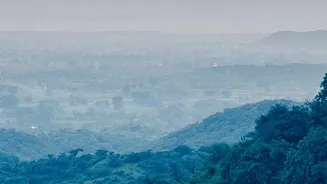
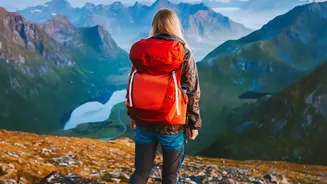
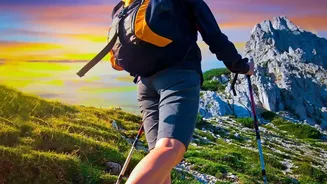
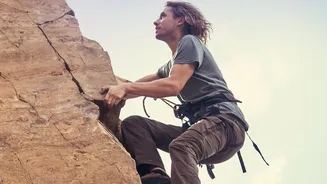
On the steepest sections, you will need to use your hands for balance. Some parts of the trail have small, carved-out footholds to provide extra grip. When ascending, lean your body forward toward the hill and maintain a low center of gravity. Move at a steady pace and take short, regular breaks to catch your breath and enjoy the views of the Manchanabele reservoir. The descent is often considered more challenging due to the steep gradient and pressure on your joints. Face the rock in the most vertical sections and climb down backwards, or take a sideways approach to reduce the strain on your knees. Go slowly and be cautious with every step.
Plan for an Early and Safe Start
An early start is crucial for a successful Savandurga trek. Aim to begin your climb by 7:30 AM at the latest to avoid the intense midday sun, which makes the rock extremely hot and the climb significantly more difficult. The best time of year to trek is during the cooler, drier months from October to February. Avoid trekking during the monsoon season when the rocks become dangerously slippery, and in the peak of summer when the heat is unbearable. Always trek in a group, inform someone of your plans, and never try to race to the top, as rushing can lead to accidents.