






Understanding the Root Causes
Damp corners are more than just an eyesore; they are a sign of excess moisture that needs to be addressed. In India, this issue is most common during the monsoon due to a combination of factors. The primary cause is often penetrating damp, where rainwater
seeps through porous external walls, tiny cracks in the plaster, or poorly sealed window frames. Another major culprit is condensation, which occurs when warm, humid indoor air meets a cooler wall, causing moisture to form. This is especially common in poorly ventilated spaces like bathrooms, kitchens, or on north-facing walls that receive little sunlight. Finally, hidden plumbing leaks from pipes concealed within walls can release moisture slowly, leading to persistent dampness long before a leak becomes obvious.
Immediate Steps for Damp Patches
When you spot a damp patch, the first step is to improve air circulation immediately. Open windows and doors whenever the rain stops to create cross-ventilation. Use ceiling fans and exhaust fans in kitchens and bathrooms to keep air moving and prevent moisture from settling. For visible mould, you can use a natural antifungal solution. A popular home remedy is to mix equal parts white vinegar and water in a spray bottle, apply it to the affected area, and let it dry completely. This helps treat the surface and can prevent the immediate return of mould. Placing moisture absorbers like coarse salt or silica gel in corners, wardrobes, and other enclosed spaces can also help draw out excess humidity from the air.
Long-Term Prevention Strategies
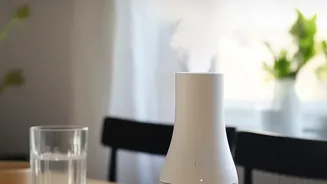
To prevent dampness from returning every monsoon, a more proactive approach is needed. Before the rainy season begins, thoroughly inspect your home's exterior walls and terrace for any cracks. Sealing these with waterproof putty or sealants is a crucial first step. Ensure that your roof and balcony drainage systems are clear of leaves and debris to prevent water from stagnating and seeping into the structure. Applying a fresh coat of waterproof paint on exterior walls can provide a strong barrier against rainwater penetration. For interiors, consider investing in a dehumidifier, especially if you live in a coastal city or a region with very high humidity. These appliances actively remove moisture from the air, protecting walls, furniture, and electronics from damage while also improving indoor air quality.
When to Call a Professional
While many minor damp issues can be managed with DIY methods, some situations require expert help. If you notice large patches of recurring mould, peeling or bubbling paint, or a persistent musty smell that doesn't disappear even after cleaning, it’s time to call a professional. These can be signs of a more serious underlying issue, such as a hidden plumbing leak or significant structural weakness. A professional can identify the exact source of the water ingress, which could be a tricky-to-find crack in the exterior or a slow leak in a concealed pipe. If a wall feels soft or spongy to the touch, or if you suspect extensive mould growth behind walls, it is crucial to consult a damp-proofing specialist or a plumber to prevent long-term structural damage and address potential health risks associated with widespread mould.