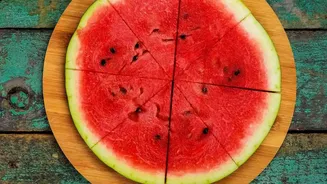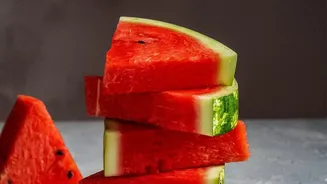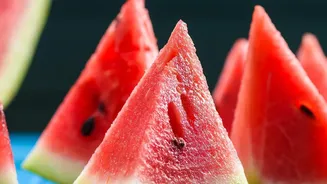




That heavy green and white rind from your summer watermelon usually heads straight for the bin. But what if that 'scrap' was actually a versatile, nutritious, and delicious vegetable in disguise, waiting to transform your vegetarian meals?
More Than Just Waste
In the quest
for a more sustainable and resourceful kitchen, turning to ingredients that are often overlooked is a clever first step. The white part of the watermelon rind, nestled between the tough green skin and the sweet red flesh, is one such hero. It has a crisp, firm texture, similar to a cucumber or bottle gourd (lauki), and a very mild, neutral flavour. This makes it a perfect canvas, ready to soak up the spices and seasonings of Indian cooking. Embracing the rind isn't just about reducing food waste; it’s about discovering a new ingredient that has been part of traditional cooking in India for generations, from Gujarati 'shaak' to South Indian 'kootu'. It’s a wonderful way to get more value and nutrition from the fruit you already buy.
A Surprising Nutritional Punch
Beyond its culinary potential, watermelon rind packs a surprising nutritional punch. It's a fantastic source of dietary fibre, which is great for digestive health. The rind is notably rich in an amino acid called citrulline, which the body converts into arginine, known for improving blood flow and cardiovascular health. While the sweet flesh has its own benefits, the rind is lower in sugar and contains valuable nutrients like vitamins A and C, along with minerals such as potassium and magnesium. Incorporating the rind into your meals is a simple way to add an extra layer of health benefits to your diet.
Simple Steps for Preparation
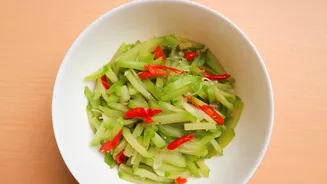
Preparing the rind is straightforward. First, wash the outside of the watermelon thoroughly. After you've enjoyed the red flesh, take the remaining large pieces of rind. Using a sturdy vegetable peeler or a sharp knife, carefully shave off the tough, dark green outer skin. You want to be left with the thick, pale white part. For most recipes, you'll then chop this white rind into small, bite-sized cubes or slice it into thin strips, much like you would any other vegetable for a sabzi. Once prepped, it's ready to be cooked.
Recipe Idea: Classic Watermelon Rind Sabzi
One of the most popular ways to use the rind in India is to make a simple and flavourful sabzi. In a pan, heat a little oil and temper it with classic Indian spices like mustard seeds, cumin seeds, and a pinch of asafoetida (hing). Once they splutter, add the cubed watermelon rind. Sauté for a few minutes before adding powdered spices like turmeric, red chilli powder, and coriander powder. Since the rind releases water as it cooks, you often don't need to add much extra liquid. Cover and cook until the rind becomes tender, which usually takes about 15-20 minutes. You can finish it with a squeeze of lemon juice or a pinch of amchur (dry mango powder) for a tangy kick and some fresh coriander. It pairs beautifully with hot rotis or as a side with dal and rice.
Recipe Idea: Cooling Rind Chutney or Pachadi
For a refreshing summer side, the rind can be transformed into a delicious South Indian-style chutney or pachadi. To make a thogayal (a thick chutney), you can sauté the chopped rind with lentils like urad dal and channa dal, along with dried red chillies and ginger, and then grind it into a coarse paste. This creates a wonderful accompaniment to dosa, idli, or a simple meal of rice and rasam. Another option is a yogurt-based curry, known as 'Majjige Huli' in Karnataka. For this, a paste of coconut, green chillies, and spices is cooked with the tender rind, and finally, sour yogurt is whisked in to create a cooling, tangy curry that's perfect for a hot day.
Recipe Idea: Quick and Tangy Pickle
If you enjoy pickles, a quick watermelon rind 'achaar' is a must-try. Julienne the prepared rind (cut into thin strips) to keep it crunchy. Heat mustard oil in a pan until it's just smoking, then add mustard seeds and nigella seeds (kalonji). Toss in the rind strips and stir-fry on high heat for a few minutes to get a slight char while keeping the inside crisp. Add turmeric, red chilli powder, salt, and a generous amount of amchur for that classic pickle tang. It’s a lazy, same-day pickle that brings a burst of flavour to any meal, without the long waiting time of traditional pickling.