

From Sightseeing to Story-Seeking
There’s a quiet revolution happening in Indian tourism, and it’s being led by Indians themselves. For years, travel was often about ticking boxes—visiting famous forts, popular beaches, and bustling city centres. Today, the focus is shifting from passive
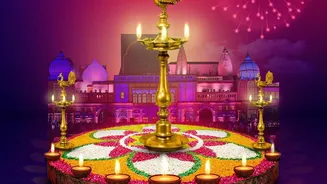
sightseeing to active participation. A recent report revealed that 67% of Indian travellers now plan their holidays around cultural experiences like heritage, festivals, and food. This isn't just about adding a cultural activity to an itinerary; it's about making culture the very reason for the journey. Instead of just visiting a destination and discovering its culture upon arrival, travellers are starting with the experience they want—be it witnessing the spectacular Durga Puja in Kolkata or learning a traditional craft in Kutch—and building the trip around it.
The Allure of the Authentic
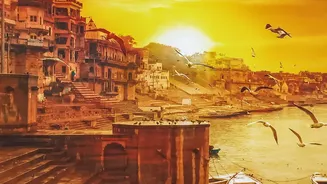
So, what’s driving this change? A major factor is a collective desire for authenticity and connection. Younger travellers, in particular, are looking for unique experiences that provide stories, not just snapshots. Platforms like Instagram and YouTube play a huge role, with food bloggers and travel influencers exposing people to experiences they might not have otherwise considered. These digital windows into hyperlocal worlds inspire journeys to witness ancient rituals like Theyyam in the villages of Kerala, explore the living root bridges of Mawlynnong in Meghalaya, or experience the serene monastery life on Majuli island in Assam. This trend sees travellers venturing beyond the usual metro circuits, with one in four now heading to Tier 2 and Tier 3 towns for these unique cultural encounters.
Rediscovering Roots and Regional Flavours
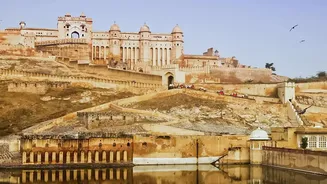
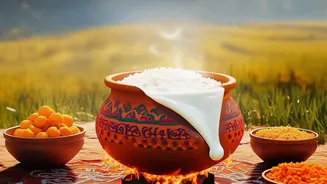
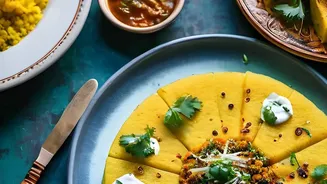
This movement is also a journey inward—a rediscovery of India's immense diversity. Heritage remains the single strongest motivator, with 47% of travellers planning trips specifically around historical sites. Destinations like Rajasthan, Kerala, and Uttarakhand are seeing continued interest for their rich architectural and living traditions. But the definition of heritage is expanding. It now includes culinary trails and food experiences, which 43% of travellers cite as a primary reason to plan a trip. The goal is to connect with a place through its local flavours and way of life, turning a simple meal into a memorable cultural exchange. This is part of a larger shift towards experiential travel, where the goal is to not just visit a place, but to live it, even if just for a few days.
More Than a Trend, A Conscious Choice
The rise of culture-led travel points to a more conscious and intentional Indian traveller. People are planning these trips further in advance, with 40% now booking three to six months ahead to align with specific festivals or events like Ganesh Chaturthi or Navratri Garba. This shift from last-minute bookings to deliberate planning shows that these journeys are highly valued. Furthermore, this type of tourism has a positive ripple effect. It supports local economies in smaller towns, provides exposure to artisans and traditional performers, and helps preserve the very traditions that draw travellers in the first place. By choosing to explore the cultural heart of a region, travellers are not just creating lifelong memories for themselves; they are also contributing to the survival of India's rich and varied heritage.