



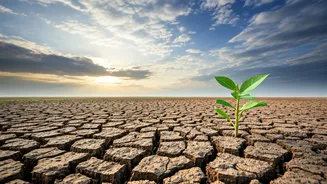


The Silent Crisis Beneath Our Feet
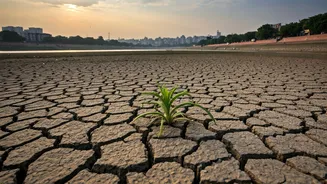
Many of India's largest urban centres are confronting a severe water crisis that often goes unnoticed until the taps run dry. According to a NITI Aayog report, approximately 600 million Indians face high to extreme water stress. Major cities including
Delhi, Bengaluru, and Chennai have been identified as being at risk of depleting their groundwater reserves. This isn't a hypothetical future; it's a present-day reality. The recent water shortages in Mumbai and Delhi, driven by delayed monsoons and low reservoir levels, exposed the fragility of our urban water supply systems. The dependency on private water tankers becomes a flashpoint, as seen when strikes disrupt supply to millions, but this is merely a symptom of a much deeper, structural problem. The issue is compounded by rapid, often unplanned, urbanisation which puts unprecedented pressure on already strained resources.
More Than Just a Lack of Rain
Blaming a weak monsoon is convenient, but it masks the real culprits. A significant portion of the problem is what's known as Non-Revenue Water (NRW)—treated water that is lost before it ever reaches the consumer. In India, the average NRW is around 38%, which is alarmingly high compared to global standards. These losses stem from aging, leaky pipelines, water theft, and inaccurate billing. Some estimates suggest physical leaks account for the vast majority of this loss. This means for every 100 litres of water treated and pumped into the system, nearly 40 litres never generate revenue or quench a thirst, placing a massive financial and resource drain on our cities. Addressing NRW is a powerful demand management tool that can reduce stress on water sources without having to build a single new dam.
Why National Plans Need Local Champions
The central government has launched ambitious schemes like the Atal Mission for Rejuvenation and Urban Transformation (AMRUT 2.0) and the Jal Jeevan Mission (Urban) to make cities 'water secure'. These missions aim for universal water supply through functional household taps and promote a circular water economy. However, a top-down approach alone is insufficient. Water is a fundamentally local issue. The geography of Bengaluru is not the same as Delhi's, and the challenges of Chennai differ from those of Mumbai. A one-size-fits-all solution fails to account for local water cycles, socio-economic dynamics, and existing infrastructure. The success of national frameworks depends entirely on the capacity and willingness of Urban Local Bodies (ULBs) to plan, implement, and manage their own water resources effectively.
The Blueprint for a Water-Secure City
So, what does effective city-level attention look like? It's about creating a holistic Integrated Urban Water Management (IUWM) plan. This involves several key actions. First, mandating and implementing rainwater harvesting to capture every drop. Second, protecting and rejuvenating local water bodies—lakes, ponds, and wetlands—which act as natural sponges and help recharge groundwater. Third, heavily investing in wastewater treatment and reuse, creating a new, reliable source of water for non-potable uses like industry and irrigation. Finally, embracing technology is crucial. Smart water meters and sensors can help detect leaks in real-time, while AI-driven systems can optimise water distribution, as seen in cities like Bhopal and Nagpur which have successfully reduced their NRW.