







The New Travel Calendar
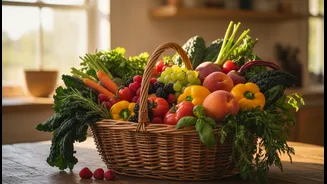
For an increasing number of travellers, the most important factor in planning a holiday is not the weather or school holidays, but the harvest calendar. This approach, known as seasonal food travel, involves timing journeys to coincide with the peak season of a specific
food, whether it’s mangoes in the Konkan coast, apples in Himachal Pradesh, or truffles in Tuscany. The goal is simple: to taste food when it is at its absolute freshest, most flavourful, and most authentic. This shift marks an evolution in culinary tourism. It’s no longer just about booking a table at a famous restaurant; it's about experiencing a region's culinary identity at its most vibrant moment.
From Farm to Vacation
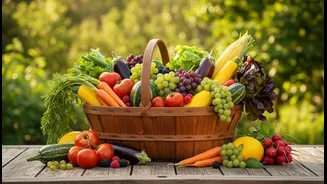
This trend is closely linked to the rise of agritourism, which invites travellers to connect directly with the source of their food. Instead of just eating a dish, people want to participate in the story behind it. This could mean joining a saffron harvest, learning to make cheese, or simply staying on a farm to enjoy meals made with ingredients picked just steps away. These experiences offer a deeper connection to a place and its culture. They allow travellers to understand the concept of 'terroir'—the way a region's specific climate and soil shape the taste of its produce. It's about participation, not just observation, offering a hands-on way to connect with nature and food production.
Why Taste Trumps Timing
Several factors are driving this delicious trend. For one, travellers are increasingly seeking authentic experiences that go beyond typical tourist trails. Eating seasonally is inherently authentic, offering a true taste of a place at a specific time. Secondly, there's a growing awareness around sustainability. Eating local, seasonal produce reduces 'food miles'—the distance food travels from farm to plate—which in turn lowers the carbon footprint of your meal. When produce is in season locally, it’s abundant, which often makes it more affordable. It also supports local farmers and economies directly, ensuring that tourism benefits the community.
A Taste of India's Seasons
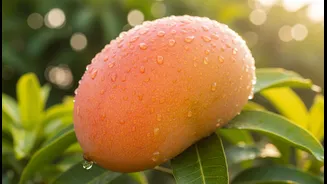
India, with its diverse climates and rich agricultural traditions, is a prime destination for seasonal food travel. Imagine a trip to Ratnagiri in May, timed perfectly for the world-famous Alphonso mangoes. Or consider visiting Kerala during the winter months, not just for its pleasant weather but for the spice harvest, when the air is fragrant with cardamom and pepper. A journey to the orchards of Himachal Pradesh in autumn offers the crispest apples, while a winter trip to Gujarat provides a chance to enjoy its vibrant vegetable season, showcased in dishes like Undhiyu. From the seafood of Goa to the tea gardens of Darjeeling, each region offers a unique culinary calendar to explore.
How to Plan Your Own Food Trip
Planning a seasonal food trip is easier than you might think. Start by picking an ingredient you love. Research its peak season and the regions famous for it. Look for farm stays, called agriturismos, which often offer accommodation and hands-on agricultural experiences. Food festivals are another excellent anchor for a trip, celebrating everything from local fruits to specific dishes. Don’t just focus on fine dining; explore local markets and street food to get a comprehensive taste of the region’s offerings. By planning around a harvest, you are not just booking a holiday—you are setting an intention to travel more slowly, thoughtfully, and deliciously.