







A Surprising Connection
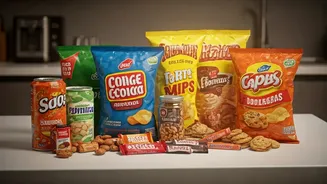
For decades, the world of fast-moving consumer goods (FMCG) and the animal feed industry operated in different orbits. One is a high-visibility world of branding, retail strategy, and consumer trends. The other is a foundational, volume-driven business,
essential for agriculture but largely invisible to the end consumer. That wall is coming down. The same risks that cause headaches for executives at major consumer brands—volatile raw material prices, complex supply chain disruptions, and inflationary pressures—are now hitting India's animal feed manufacturers with full force. This convergence is not just an industry footnote; it represents a structural shift that has direct consequences for farmers' livelihoods and household budgets across the country. The issues that once defined separate sectors are now becoming a shared problem with cascading effects.
The Raw Material Battleground
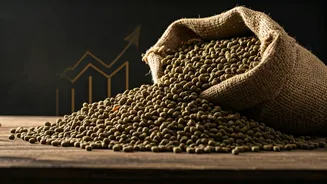
At the heart of the issue is the growing competition for agricultural commodities. Ingredients like maize, soybean meal, and other grains are fundamental to both human food production and animal nutrition. Recently, the Indian feed industry has faced a severe crunch in key inputs. The Compound Livestock Feed Manufacturers Association (CLFMA) has repeatedly raised alarms over the shortage and price volatility of soybean meal, a critical protein source for poultry, aquaculture, and livestock. In June 2026, soybean meal prices reportedly surged by over 40% in just a few weeks. This isn't just a feed problem; FMCG companies are also battling rising costs for these same base ingredients, as well as for palm oil and crude-linked derivatives used in packaging. This puts both sectors in direct competition, driving up costs for everyone and squeezing margins from the factory floor to the farm.
When Supply Chains Tangle
FMCG companies have long grappled with creating agile supply chains to serve a sprawling network of urban and rural retailers. Now, similar challenges are plaguing the animal feed sector, where feed can account for up to 75% of production costs in poultry. Geopolitical events, such as disruptions in the Strait of Hormuz, can have an immediate impact, not just on oil prices but on essential chemical inputs for feed preservation and amino acids. Inadequate road connectivity, inconsistent infrastructure, and fragmented logistics networks, once considered a bigger problem for last-mile retail delivery, now create significant inefficiencies for bulk feed transport. This means the cost of moving feed ingredients from port to plant and finished feed from plant to farm is becoming increasingly expensive and unpredictable, mirroring the supply chain vulnerabilities well-known in the consumer goods space.
The Impact on Your Plate and Pocket
This convergence of risks is not an abstract economic trend; it has a tangible impact on every Indian household. When the cost of animal feed rises, it directly translates to higher operational expenses for farmers. For the poultry, dairy, and aquaculture sectors, where feed is the largest single cost, sustained price pressure can erode profitability and even threaten viability. This pressure inevitably moves up the value chain. The higher cost of producing milk, eggs, chicken, and fish eventually reflects in the prices consumers pay at their local market or supermarket. The inflation hitting raw materials for biscuits and soaps is now the same inflation hitting the production of essential proteins. Effectively, the volatility of the FMCG world has found a new pathway to the Indian kitchen table, making food prices more susceptible to the same global and domestic pressures.