

First, Choose the Right Wall
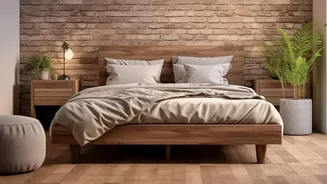
Before falling in love with a pattern, identify the best wall to highlight. A great feature wall is typically the first one you see when entering a room. In a bedroom, this is often the wall behind the headboard. In a living room, it might be the wall behind the sofa
or a fireplace. The goal is to create a natural focal point that anchors your main activity, whether it's sleeping, lounging, or dining. Try to choose a solid wall without too many doors or windows, as these can break up the pattern and weaken the impact. A clean, uninterrupted surface gives the wallpaper the best chance to shine and make a confident statement.
1. Go Timeless with Damask
Damask is a classic pattern that instantly adds a touch of luxury and sophistication. Its intricate, often symmetrical motifs have been a staple in elegant interiors for centuries, making it a safe yet powerful choice for a feature wall. This style works exceptionally well in formal living rooms, dining areas, and master bedrooms, where it can create a rich, opulent atmosphere. When using damask, consider the colour. A monochrome or neutral palette offers subtle elegance, while deep jewel tones or patterns with a metallic sheen create a more dramatic and formal look. Because the pattern is so detailed, it’s best to keep surrounding furnishings relatively simple to avoid a cluttered feel.
2. Embrace Nature with Florals and Botanicals
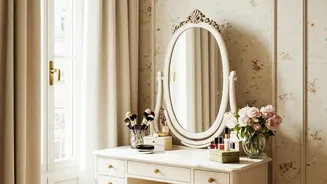
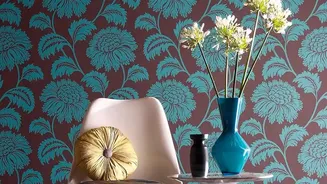
Bringing the outdoors in with floral or botanical wallpaper is a perennially popular choice that can suit any mood, from fresh and airy to dramatic and moody. The key is understanding scale. Large-scale floral or botanical prints make a bold, artistic statement and are perfect for a feature wall in a larger room where they have space to breathe. Smaller, more delicate floral patterns work well in cosier spaces like reading nooks or bedrooms, creating a charming and restful vibe. For a modern take, consider moody florals with dark backgrounds or large, abstract botanical prints. To tie the room together, pull one or two colours from the wallpaper and use them in your cushions, curtains, or other accessories.
3. Add Structure with Geometric Patterns
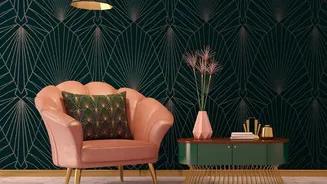
For a modern, clean, and ordered look, geometric patterns are an excellent choice. Ranging from simple stripes to complex Art Deco or mid-century modern designs, these patterns add visual interest and structure without the fuss of more organic motifs. Vertical stripes can make a room with low ceilings feel taller, while horizontal lines can make a space feel wider. In a minimalist space, a bold geometric accent wall can add a dose of personality and flair. When working with geometrics, colour contrast plays a big role. High-contrast patterns feel energetic, while tonal designs in similar shades create a more subtle, textured look. These patterns are highly versatile and work well in home offices, living rooms, and even hallways.
4. Tell a Story with Toile
Originating in 18th-century France, Toile de Jouy (or simply 'toile') features charming, repeated pastoral or narrative scenes. It's a classic pattern that tells a story, evoking a sense of romance and nostalgia. Traditionally printed in a single colour like blue, black, or red on a white background, toile is perfect for creating a serene and inviting atmosphere in bedrooms, bathrooms, or even cosy dining spaces. Because the scenes are detailed, it works best in spaces where you can get close enough to appreciate the artistry. Modern toiles are available in a wider range of colours and updated motifs, but the classic appeal remains. Pair it with traditional furniture for a timeless look or use it as a classic counterpoint in a more modern room.
5. Create Depth with Faux Textures
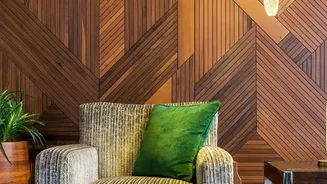
If a bold pattern feels like too much of a commitment, a textured wallpaper can provide depth and warmth without overwhelming the space. Designs that mimic materials like grasscloth, linen, wood, or marble add a layer of subtle sophistication. These wallpapers are fantastic for creating a calm and restful environment, making them ideal for bedrooms or entire living rooms. A grasscloth-effect wallpaper, for example, brings an organic, tactile quality that plain paint can't replicate. This approach is also more forgiving, as many textured patterns have a 'free match', meaning you don't have to worry about aligning a repeating design, which can simplify installation.