

The Great Wilt: Understanding the Balcony Test
It’s a sight familiar to many city dwellers this month: drooping leaves, scorched edges, and a general look of despair from once-vibrant balcony plants. This isn't just a bad gardening day; it's the 'Balcony Test' in action. While not a formal scientific
experiment, it is the real-world stress test that a changing climate is imposing on our green spaces. Concrete walls and railings radiate intense heat, creating microclimates far hotter than surrounding areas. Plants in containers are especially vulnerable as their roots overheat quickly. This unintentional experiment, playing out on countless Indian balconies, provides a stark, visual verdict on which plants can and cannot handle the dual assault of extreme heat and high humidity.
More Than Heat: The Crippling Effect of Humidity
While high temperatures are an obvious stressor, it is the accompanying high humidity that often delivers the knockout blow. Plants, like humans, sweat to cool down. This process, called transpiration, involves releasing water vapor through tiny pores called stomata. However, when the air is already saturated with moisture (high humidity), this evaporative cooling process slows down dramatically or stops altogether. The plant can no longer cool itself effectively, leading to internal heat damage. Furthermore, slowed transpiration hinders the plant's ability to draw nutrients from the soil up to its leaves, effectively starving it while it cooks. This combination is why a 40°C day with high humidity can be far more damaging to a plant than a 45°C day with dry air.
From Balcony to Breadbasket: A National Challenge
The struggling tomato plant on a city balcony is a small-scale reflection of a much larger agricultural challenge facing India. The same principles of heat and humidity stress apply to vast fields of crops, threatening food security. Recent years have seen an alarming increase in the frequency and intensity of heatwaves, a trend that is now officially recognized by the government as a notified natural disaster. The stress on crops like wheat has become so significant that institutes like the Indian Agricultural Research Institute (IARI) are actively developing 'terminal heat stress' tolerant varieties that can withstand heat during critical growth stages. What urban gardeners are observing in their pots is what farmers are battling for their livelihoods, making the search for resilient crops a national priority.
The Rise of Resilient Varieties
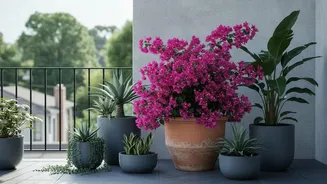
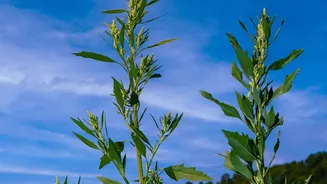
The solution lies in adaptation, and that means choosing the right plants for our new reality. For both home gardeners and farmers, this involves a shift toward varieties that are naturally better equipped to handle heat and humidity. These are not exotic, lab-grown curiosities; many are traditional, indigenous plants that have been thriving in Indian conditions for centuries. Vegetables like okra (bhindi), amaranthus (chaulai), and certain types of gourds and beans are naturally heat-loving and perform well in summer conditions. Ornamental plants like Bougainvillea and Hibiscus are also famously resilient, providing vibrant color even through scorching heat. Beyond traditional choices, agricultural institutes are developing and promoting new heat-tolerant varieties of essential crops, from wheat to vegetables, designed to ensure yields are not compromised by rising temperatures.
How to Choose Your Fighters
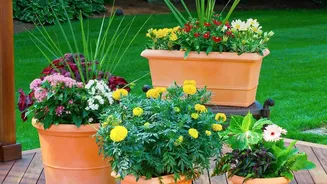
So, how can a home gardener apply the lessons from the Balcony Test? Start by researching and selecting plants known for their heat tolerance. Look for native or heirloom varieties that are adapted to your local climate. Beyond selection, simple management techniques can make a huge difference. Applying mulch (like straw or woodchips) to the soil surface can keep roots cool and retain moisture. Providing afternoon shade with a simple green net can drastically reduce stress on plants. Grouping pots together helps create a more humid, cooler microclimate. It's also crucial to water wisely—deeply in the early morning to allow roots to absorb moisture before the day's heat sets in. Avoid repotting or heavy fertilizing during intense heatwaves, as this adds extra stress to an already struggling plant.