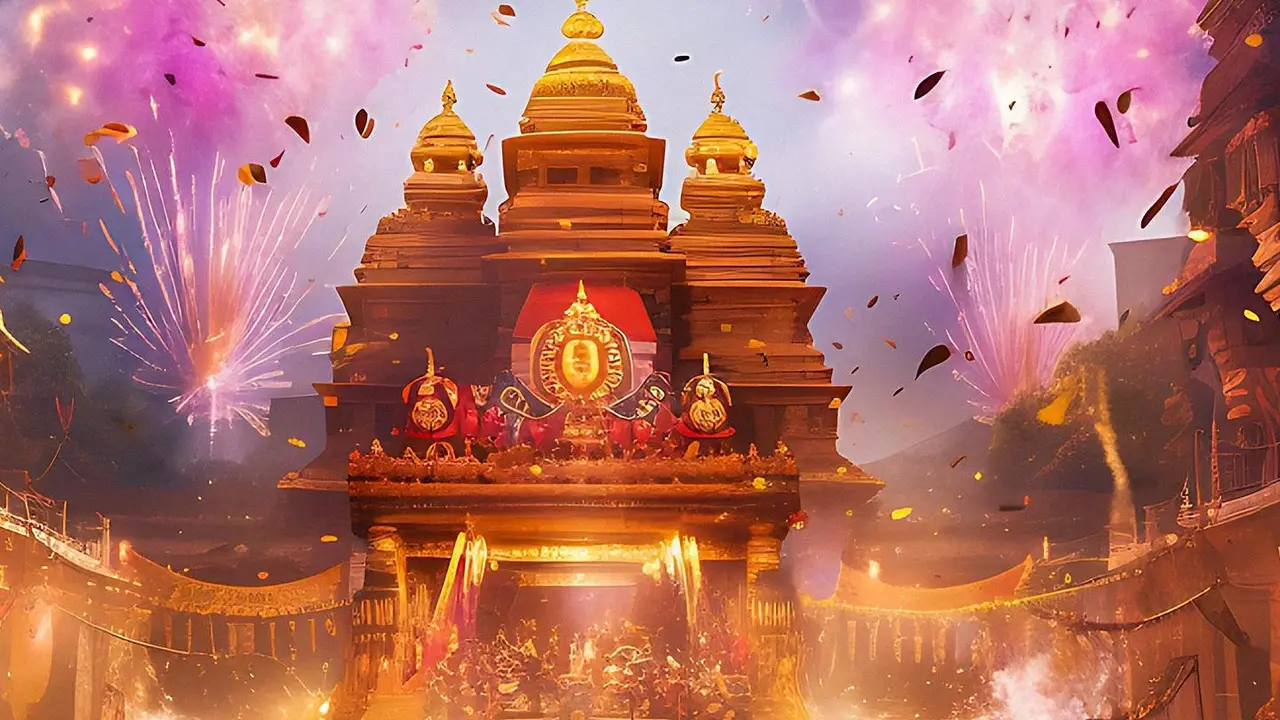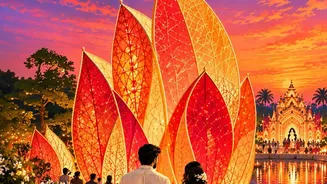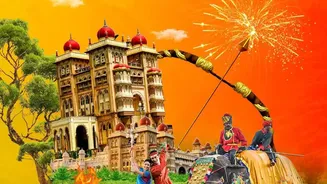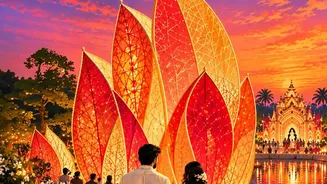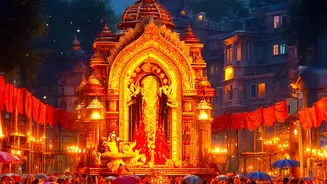






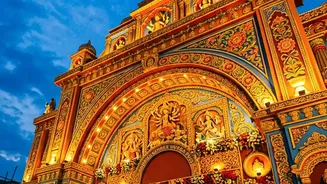
Once a local tradition, Ayodhya's Deepotsav is now a global spectacle. Millions of earthen lamps, stunning drone shows, and a city reborn in light are drawing festival travellers from around the world to witness this unparalleled celebration.
A River of Light and World Records
The centrepiece
of Deepotsav is a breathtaking display of light that has consistently broken world records. This year, the city is preparing to illuminate its landscape with around 30 lakh (3 million) earthen lamps, or diyas, primarily along the 56 ghats of the sacred Saryu River. This tradition commemorates the return of Lord Ram to Ayodhya after 14 years of exile. The effort is monumental, involving approximately 35,000 volunteers from local universities and colleges who meticulously arrange and light the lamps. The goal for the 10th edition of the festival is not just to create a visual marvel but to surpass its own Guinness World Record for the largest display of oil lamps, which stood at over 2.6 million in the previous year. This annual attempt has added a competitive and exciting edge to the deeply spiritual and cultural event, making it a focal point for both devotees and international media.
A Blend of Ancient Tradition and Modern Tech
While rooted in ancient tradition, Deepotsav has embraced modern technology to enhance the visitor experience, a key factor in attracting a new generation of festival-goers. The 2026 celebrations are set to feature a spectacular drone show involving over 2,100 drones that will paint stories from the Ramayana across the night sky. This is complemented by 3D projection mapping, laser shows, and eco-friendly fireworks, creating a multi-sensory experience. To make the epic more accessible, especially to younger visitors, the city has installed visual displays and ten Ramayan-themed gateways along major routes, each explaining a part of the epic's story. This fusion of the sacred with the spectacular allows travellers to engage with the city's heritage in an immersive and contemporary way, turning Ayodhya into an open-air museum during the festival.
More Than a Festival: A City Transformed
The surge in tourist interest is supported by a significant transformation of Ayodhya's infrastructure. Under the guidance of Chief Minister Yogi Adityanath, the city has seen major development, including the newly inaugurated Ram Mandir, the Maharishi Valmiki International Airport, and redeveloped roads and ghats. For Deepotsav 2026, extensive preparations are underway to ensure a comfortable and safe experience for the massive influx of visitors. This includes deploying nearly 800 sanitation workers, installing hundreds of bio-toilets and mobile toilets, and ensuring clean drinking water. The Uttar Pradesh Tourism Development Corporation (UPSTDC) has even launched special tour packages for the event, covering visits to key religious sites like the Shri Ram Janmabhoomi Temple, Hanuman Garhi, and Kanak Bhawan, alongside the Deepotsav festivities.
The Global and Cultural Pull
Deepotsav is no longer just a pilgrimage; it has evolved into a global cultural event. The festival attracts artists and cultural troupes from across India and a dozen other countries, presenting a diverse array of folk arts and Ramlila performances. Government officials have made a concerted effort to position the event on the world stage, inviting foreign ambassadors and Indian diplomats to witness the grandeur. This international outreach, combined with the sheer scale and beauty of the celebration, has captured the imagination of 'festival travellers'—tourists who seek unique cultural experiences. They come not just for the religious significance, but for the shared human experience of witnessing a city unite in a celebration of light over darkness, tradition, and community spirit.