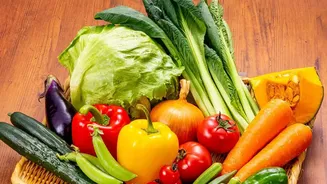








Saag is more than just a dish; it’s a taste of home and a winter staple. But can this comfort food be part of a healthy, everyday diet? With a few smart choices, you can turn this traditional favourite into a nutritional hero for balanced meals.
More Than Just Mustard Greens
When many
hear ‘saag’, they think of Sarson ka Saag, the iconic Punjabi dish made from mustard greens. But the word ‘saag’ simply means ‘greens’. A saag can be made from a wide variety of leafy vegetables, each with a unique flavour and nutritional profile. Popular choices across India include spinach (palak), fenugreek (methi), wild spinach (bathua), and amaranth (chaulai). Often, the best saag is a combination of several greens, which creates a more complex flavour and a broader range of nutrients. For example, the bitterness of mustard greens can be balanced by the milder taste of spinach.
A Powerhouse of Vitamins and Minerals
Leafy greens are nutritional superstars. Saag is packed with essential vitamins like A, C, and K, along with minerals such as iron, calcium, and potassium. Vitamin K is vital for bone health, while Vitamin C helps boost your immune system. Greens like spinach and methi are excellent sources of iron, which is crucial for energy levels. Mustard greens are particularly rich in antioxidants that help protect your body from damage. The high fibre content in saag aids digestion and helps you feel full longer, which can support weight management.
The Richness Factor: Friend or Foe?
A traditional Sarson ka Saag is famously rich, often finished with generous amounts of ghee, butter, and cream. While these fats add incredible flavour, they also significantly increase the calorie and saturated fat content, making it more of a special-occasion dish than an everyday meal. Interestingly, some fat is necessary. Vitamins A and K in leafy greens are fat-soluble, meaning your body needs fat to absorb them. The key is moderation. Cooking with a small amount of healthy fat like ghee or oil helps unlock the full nutritional potential of the greens without making the dish excessively heavy.
Building a Balanced Vegetarian Plate
To make saag a central part of a balanced meal, think about what it needs to be complete. A balanced Indian vegetarian meal should include protein, complex carbohydrates, and fibre. Saag itself covers the fibre and vegetables. To complete the plate, you need to add a good source of protein and a whole grain. Pair your saag with paneer, tofu, or a side of dal or chickpeas for a protein boost. Serve it with whole-wheat roti, brown rice, or millet-based bread like makki ki roti for sustained energy from complex carbohydrates. A side of yogurt (raita) can add probiotics for gut health and further balance the meal.
Smart Swaps for a Healthier Saag
Making your everyday saag healthier doesn't mean sacrificing flavour. Small adjustments can make a big difference. Instead of heavy cream, try stirring in a tablespoon of yogurt or a splash of milk at the end for a creamy texture with fewer calories. You can also blend a small amount of cooked broccoli or even cashews with the greens to create a naturally thick and creamy consistency. To boost the iron absorption from the greens, squeeze some fresh lemon juice over the saag before serving; the Vitamin C works wonders. Finally, let the spices do the heavy lifting for flavour. Aromatic ginger, garlic, and a touch of garam masala can create a deeply satisfying dish without relying solely on fat.