
The Renaissance of Ancient Grains
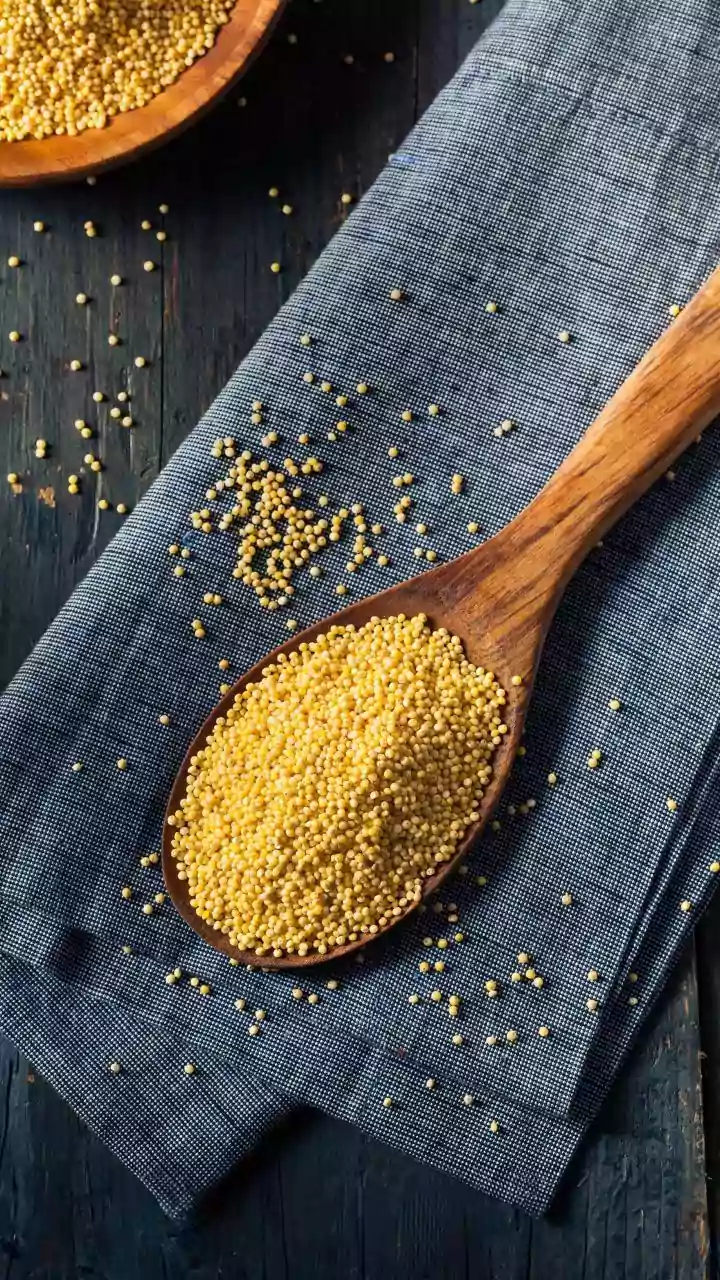
For years, polished white rice and refined wheat flour dominated the Indian kitchen. Today, there's a powerful shift back to the grains our ancestors ate. Millets like ragi, jowar, and bajra are making a major comeback, and for good reason. These ancient
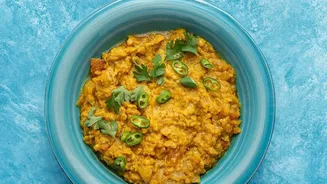
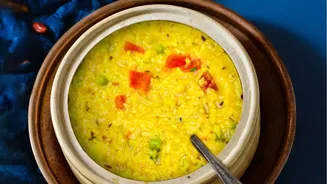
grains, now often called 'Shree Anna' or sacred grains, are naturally gluten-free, rich in fibre, and have a lower glycemic index, which helps in managing blood sugar levels. Nutritionists are encouraging simple swaps that make a huge difference: think ragi dosas, jowar rotis, or foxtail millet khichdi. These changes don’t sacrifice taste but significantly boost the nutritional profile of a meal, adding essential minerals like calcium and iron that are abundant in millets.
Rethinking Fats: The Ghee Comeback
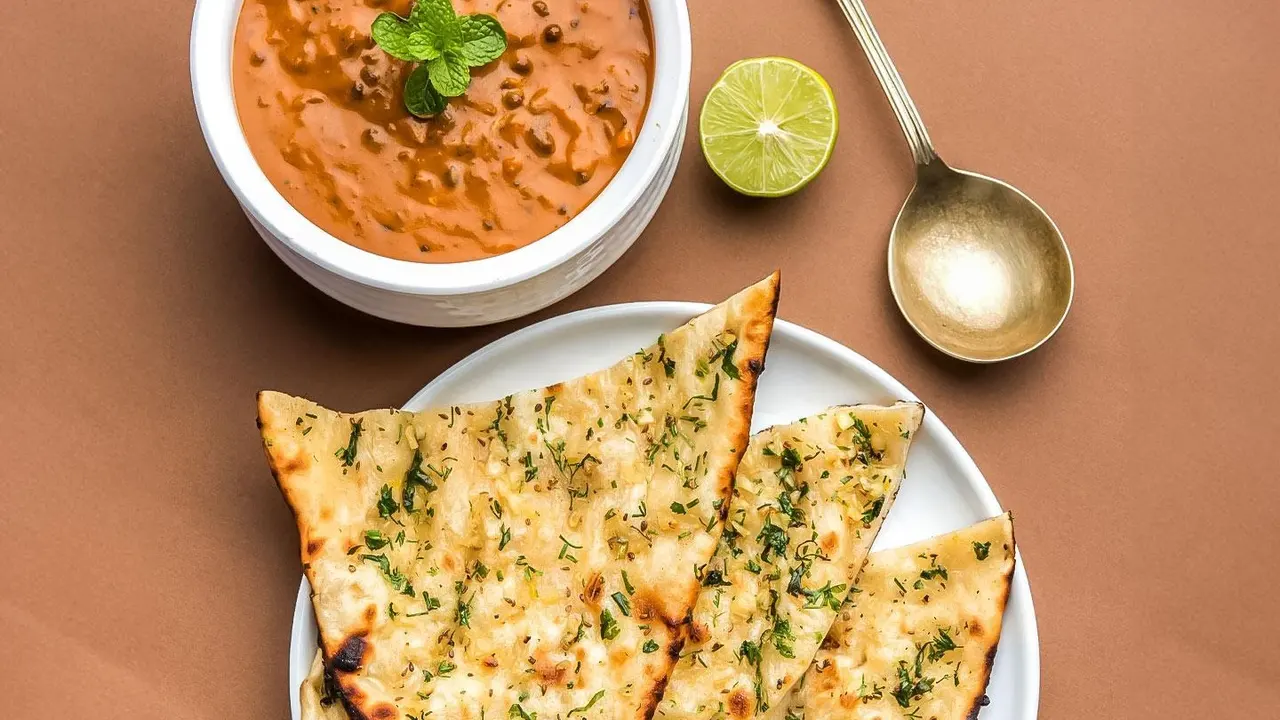
The debate between ghee and modern vegetable oils has been a fixture in Indian kitchens for decades. For a long time, ghee was sidelined due to fears about saturated fat. However, modern nutritional wisdom now appreciates its benefits when used in moderation. Ghee has a high smoke point, making it stable for high-heat Indian cooking like making a tadka, which prevents the formation of harmful compounds. It's also a source of fat-soluble vitamins and butyrate, a short-chain fatty acid that supports gut health. The new advice isn't to use ghee exclusively, but to use it smartly. Many experts now suggest a balanced approach: using ghee for its flavour and stability in dals and on rotis, while employing cold-pressed oils like mustard or groundnut oil for other types of cooking, ensuring a variety of healthy fats in the diet.
Powering Up with Plant-Based Protein
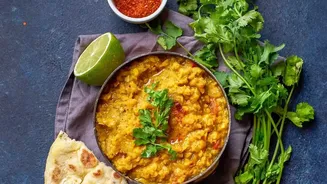
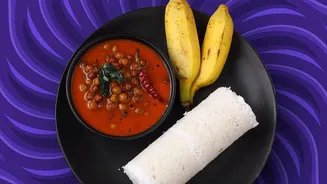
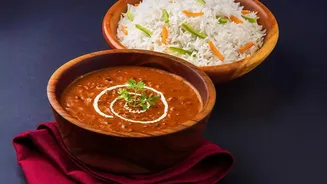
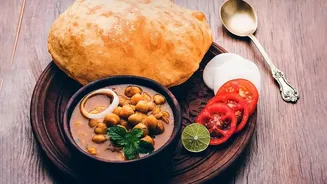
A common concern with vegetarian Indian diets is getting enough protein. While staples like dal, chana, and rajma are excellent sources, modern advice focuses on optimising their intake. The key is ensuring protein is present in every meal, not just once a day. This means moving beyond just a small bowl of dal with a large portion of rice. Nutritionists suggest starting the day with protein-rich options like besan chilla or sprouted moong salad. For main meals, the guidance is to make protein the star. This involves increasing the quantity of lentils, chickpeas, or paneer on your plate and pairing them with vegetables. Combining lentils with grains like rice or roti creates a complete amino acid profile, a principle long embedded in Indian food pairings that modern science now validates.
Cooking Methods That Preserve Nutrients
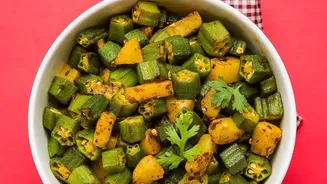
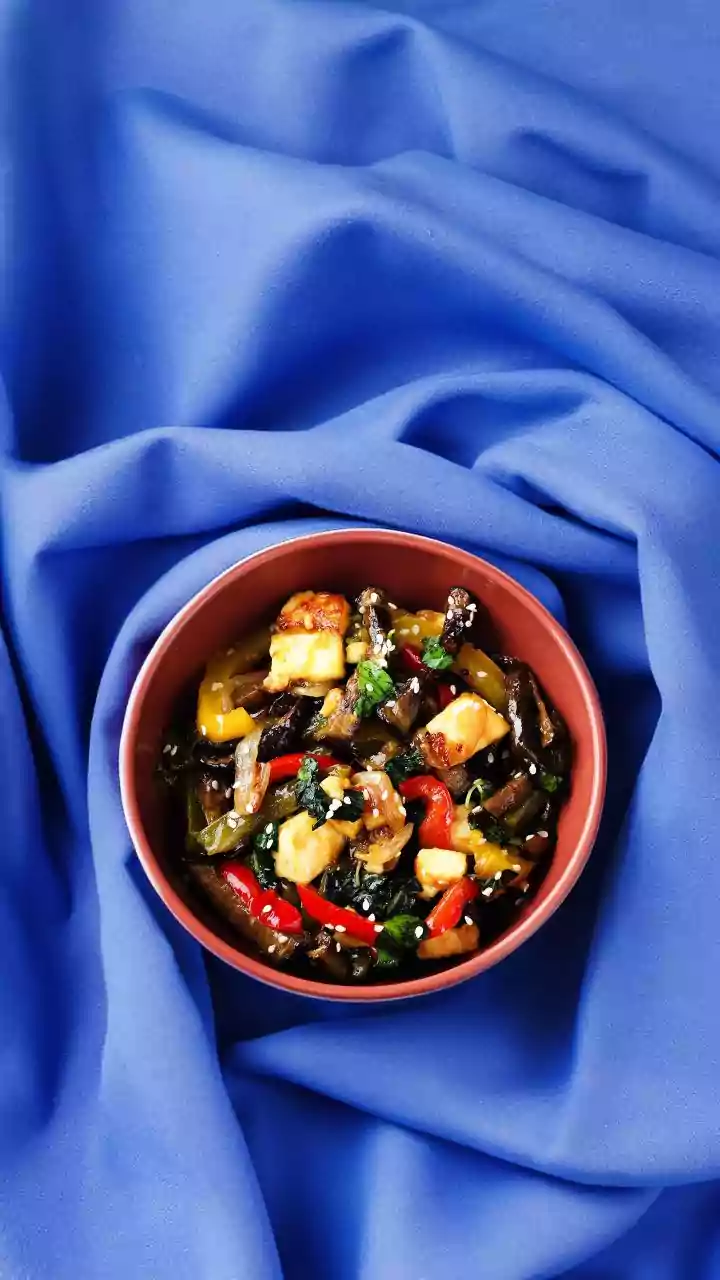
How you cook is just as important as what you cook. Traditional Indian cooking sometimes involves prolonged heating or deep-frying, which can diminish the nutritional value of vegetables. The modern approach encourages cooking methods that lock in vitamins and minerals. For instance, instead of frying, options like baking, grilling, or air-frying are gaining popularity for snacks like samosas and pakoras. Tandoori-style cooking, which uses intense heat with minimal oil, is an excellent way to cook meats and vegetables while preserving their nutrients. Even simple techniques like blanching vegetables before adding them to a curry can help them retain their colour and nutrients, ensuring they remain crisp and vibrant rather than turning to mush. The focus is on making vegetables a substantial part of the plate, lightly cooked to preserve their natural goodness.